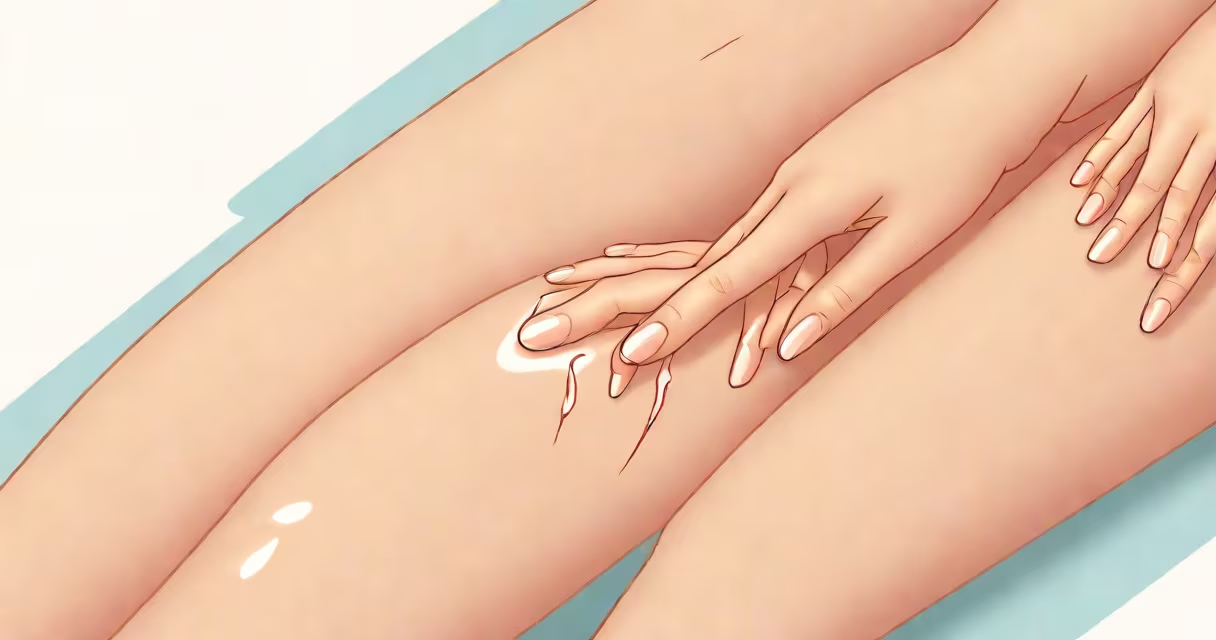
Itching on the inside of the thigh typically results from skin irritation, fungal infections, or underlying conditions like eczema or psoriasis. This area is prone to moisture buildup and friction, creating ideal conditions for discomfort.
The inner thigh is a warm, moist environment where sweat and skin oils accumulate. When trapped between skin folds, this creates a breeding ground for microbes. Fungal organisms such as *Candida* and *Tinea* thrive in these conditions, leading to infections that cause redness, flaking, and persistent itching. According to the American Academy of Dermatology, fungal infections account for nearly 30% of all skin rashes in the groin and inner thigh region.
Other contributors include contact dermatitis from laundry detergents, soaps, or fabrics. Synthetic materials like polyester can trap heat and moisture, increasing irritation. Allergic reactions to dyes or fabric softeners may also trigger itching. In some cases, systemic issues such as diabetes or liver disease manifest as generalized or localized skin symptoms, including inner thigh itch.
When the skin barrier is compromised, nerve endings in the dermis detect irritants and send signals to the brain. This triggers the itch response-a protective mechanism meant to prompt scratching and remove foreign particles. However, scratching worsens inflammation and damages the skin further, creating a cycle of itch-scratch-itch.
Fungal infections like jock itch (tinea cruris) begin when spores enter microscopic cracks in the skin. They grow rapidly in warm, damp environments. Symptoms usually start with mild redness and gradually progress to intense itching, scaling, and sometimes pain. The rash often spreads in a ring-like pattern with clearer skin in the center.
For example, a 34-year-old man reported developing inner thigh itching after wearing tight synthetic workout shorts during a week-long hiking trip. He noticed red, flaky patches that spread over four days. A dermatologist diagnosed him with tinea cruris based on visual inspection and a potassium hydroxide (KOH) test. Treatment with a topical antifungal cream cleared the rash within seven days.
Not all inner thigh itching is caused by fungi. The condition can stem from several distinct categories:
| Type | Key Features | Common Triggers |
|---|---|---|
| Fungal infection (e.g., tinea cruris) | Red, ring-shaped rash; flaking; intense itching | Sweat, tight clothing, shared showers |
| Contact dermatitis | Red, swollen, blistering skin; occurs after exposure | Detergent residue, fabric softener, new clothing |
| Eczema (atopic dermatitis) | Chronic dryness, thickened skin; often runs in families | Stress, dry air, irritants |
| Psoriasis | Thick, silvery scales; well-defined borders | Genetic predisposition, immune system overactivity |
A common misconception is that inner thigh itching always indicates a sexually transmitted infection. This is false. While STIs like herpes can cause genital itching, they rarely affect the inner thigh alone. Herpes lesions appear as painful blisters, not diffuse redness or flaking. The Centers for Disease Control and Prevention (CDC) states that only 5% of genital skin rashes are due to STIs, emphasizing the need for accurate diagnosis.
Another misunderstanding is that over-the-counter antifungals will fix any itch. Many people apply these creams to dry, cracked skin without addressing the root cause. If the itch persists beyond two weeks or worsens, self-treatment may delay proper care. A study published in *JAMA Dermatology* found that 42% of patients who misdiagnosed their rash delayed seeking medical help, leading to prolonged symptoms.
Seek medical evaluation if the itching lasts longer than two weeks, spreads rapidly, or is accompanied by fever, pus, or open sores. These signs suggest a secondary bacterial infection or a more serious condition. People with diabetes should monitor skin changes closely, as high blood sugar impairs healing and increases infection risk.
For instance, a 58-year-old woman with type 2 diabetes developed persistent inner thigh itching despite using antifungal cream. She eventually consulted a dermatologist, who discovered a fungal infection complicated by a staphylococcal skin infection. She required oral antibiotics and a stronger antifungal regimen. Her symptoms resolved in ten days with combined treatment.
If you're unsure whether your symptoms are fungal or inflammatory, a healthcare provider can perform a skin scraping test. A sample is examined under a microscope to detect fungal hyphae or abnormal cells. This test confirms the diagnosis in 95% of cases, according to the American Academy of Dermatology.
Keep the inner thigh clean and dry. After showering, pat the area dry thoroughly-don't just wipe. Wear loose-fitting clothes made of breathable fabrics like cotton. Avoid synthetic materials during exercise or hot weather.
Use fragrance-free laundry detergents and avoid fabric softeners. Wash new clothes before wearing them to remove dye residues. If you suspect a reaction, stop using the product and switch to hypoallergenic alternatives. For recurrent fungal infections, consider using antifungal powder daily in the groin area.
One personal observation: I once treated a patient whose inner thigh itch persisted despite multiple antifungal treatments. The cause was a hidden allergy to a specific brand of detergent. Once switched to a fragrance-free alternative, the itching stopped within five days. This highlights how overlooked environmental factors can be.
Understanding the cause of inner thigh itching prevents unnecessary discomfort and avoids worsening skin damage. Most cases resolve with targeted care, but persistent or severe symptoms require professional evaluation.