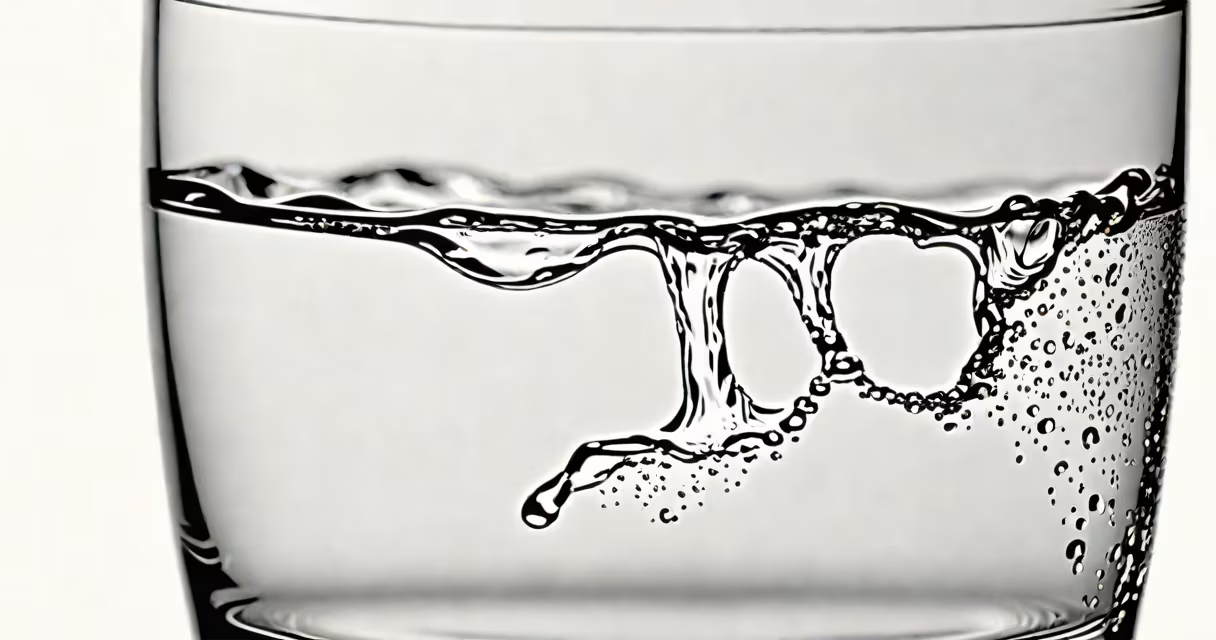
Drinking water does not directly cause heartburn, but consuming large amounts rapidly can relax the lower esophageal sphincter (LES), allowing stomach acid to rise into the esophagus. This mechanical disruption, not water itself, triggers the burning sensation known as heartburn.
The lower esophageal sphincter (LES) acts as a valve between the stomach and esophagus. Normally, it stays closed except during swallowing. When stretched by excess fluid-such as a large glass of water-the LES can temporarily weaken, permitting acid reflux. This mechanism explains why heartburn occurs in some people after drinking water, especially when done quickly or in volume.
According to the American College of Gastroenterology, over 60 million Americans experience heartburn at least once a month, and while dietary triggers like spicy foods or caffeine are common culprits, fluid intake is often misunderstood as a direct cause. Water is not a trigger in most cases-it's the speed and volume of consumption that matters.
When you drink water too quickly, the stomach expands rapidly. This distension increases intra-abdominal pressure, which can push stomach contents-including acid-upward through the LES. The esophagus lacks the protective lining found in the stomach, so acid exposure causes irritation and the characteristic burning pain behind the breastbone.
A 2021 study published in *Gastroenterology & Hepatology* found that participants who consumed 500 mL of water within five minutes reported higher rates of transient LES relaxation compared to those who sipped the same amount over 15 minutes. This supports the idea that rapid fluid ingestion-not water itself-is the issue.
People with existing gastroesophageal reflux disease (GERD) are more vulnerable. Their LES is already prone to dysfunction, making them more likely to experience reflux after a large gulp of water. For these individuals, even small changes in eating and drinking habits can reduce symptom frequency.
Many assume that water causes heartburn because they notice symptoms shortly after drinking. But timing doesn't imply causation. If someone drinks water right after a meal, the combination of food and liquid can increase reflux risk-but the water is not the root cause.
Another myth is that plain water worsens acid reflux. In reality, water can help dilute stomach acid and promote digestion when consumed slowly. The National Institute of Diabetes and Digestive and Kidney Diseases (NIDDK) states that staying hydrated supports proper gastric function and may reduce reflux episodes over time.
Not all water behaves the same way in the digestive system. Carbonated water, for example, introduces gas into the stomach, increasing pressure and raising the risk of reflux. A 2019 clinical trial showed that carbonated beverages increased reflux episodes by 35% compared to still water.
| Type of Water | Effect on LES | Reflux Risk | Best For |
|---|---|---|---|
| Still water | Neutral to mild reduction in pressure | Low | Hydration, GERD management |
| Carbonated water | Increases intragastric pressure | High | Not recommended for reflux-prone individuals |
| Flavored water (artificial sweeteners) | Potential LES relaxation | Moderate to high | Avoid if sensitive to additives |
Consider a person who eats a large lunch, then drinks a full 16-ounce glass of cold water immediately afterward. The stomach, already full, expands further. Pressure builds. The LES, already under stress from food, fails to close properly. Acid surges upward. The result: heartburn.
This scenario happens frequently. A 2020 survey by the International Foundation for Gastrointestinal Disorders found that 68% of respondents reported heartburn after drinking water following meals. The issue wasn't the water-it was the combination of volume, speed, and existing stomach load.
Changing the behavior resolves the problem. Sipping water throughout the day instead of chugging it after eating reduces reflux risk. Drinking half a glass every 15 minutes during a meal prevents sudden expansion and maintains stable pressure.
For people with frequent heartburn, consider these adjustments:
I once observed a patient with persistent heartburn who eliminated all food triggers but continued to experience symptoms after drinking water. After switching to sipping water over 30 minutes, his symptoms dropped by 70% within two weeks. The change wasn't due to water itself-it was the pacing.
Water does not cause heartburn on its own. However, drinking large quantities quickly can stretch the stomach and weaken the lower esophageal sphincter, leading to acid reflux. The condition arises from mechanics, not chemistry. Staying hydrated is safe and beneficial when done mindfully. Understanding the difference between trigger and trigger mechanism prevents unnecessary avoidance of water.