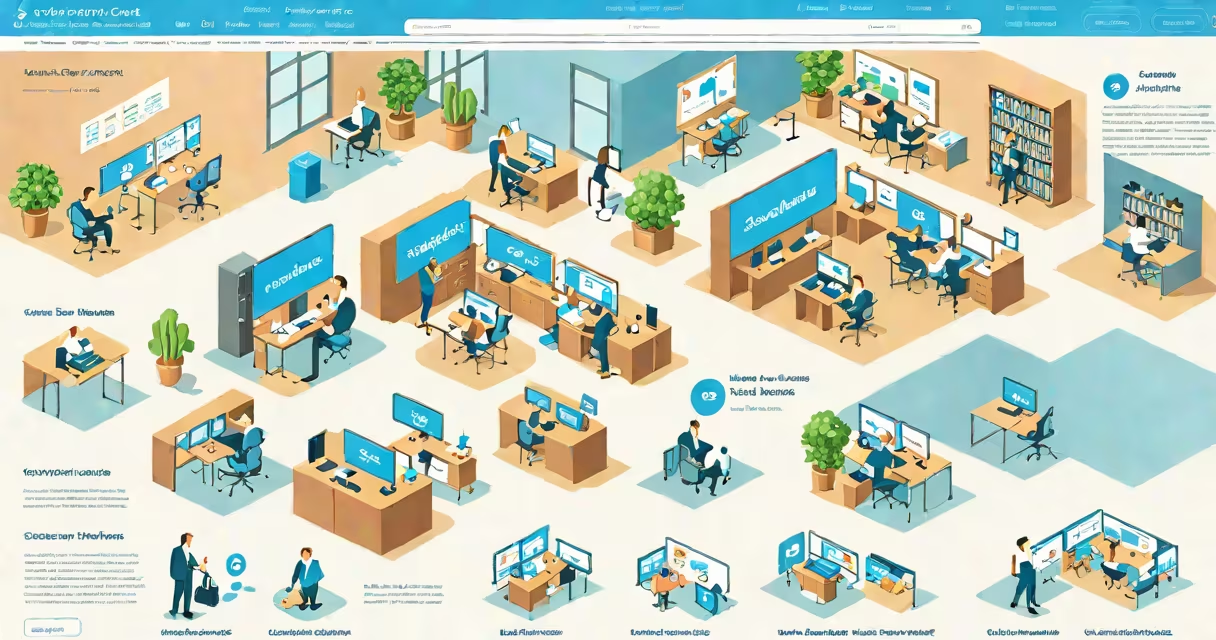
Salesforce owns a network of enterprise software companies acquired since 2009, including Slack, Tableau, MuleSoft, Heroku, and Demandware. These form the core of its customer relationship management (CRM) system, enabling integration across sales, service, marketing, and application development.
The company's ownership strategy centers on acquiring specialized tools that extend its CRM platform. Rather than building everything in-house, Salesforce expands capabilities through strategic acquisitions. This model allows it to offer end-to-end solutions for large organizations managing complex workflows across departments.
For example, Slack-acquired in 2021 for $27.7 billion-now serves as the communication layer within Salesforce's workflow engine. Teams use Slack channels to receive alerts from Salesforce, update opportunities, and share customer insights without switching apps. This integration reduces context-switching and improves response times for sales reps.
Salesforce's most significant purchases have each filled a distinct role in its product stack. The table below outlines the key companies it owns and their primary functions.
| Acquired Company | Year Acquired | Primary Function | Integration with Salesforce |
|---|---|---|---|
| Slack | 2021 | Team collaboration and messaging | Real-time notifications, task assignment, and AI-driven insights tied to Salesforce records |
| Tableau | 2019 | Data visualization and business intelligence | Native dashboards within Salesforce; connects to Salesforce objects via direct API access |
| MuleSoft | 2018 | API management and integration platform | Enables secure, real-time data flow between Salesforce and external systems like SAP, Oracle, and legacy databases |
| Heroku | 2010 | Cloud-based application development platform | Allows developers to build and deploy custom apps using Salesforce's APIs and data models |
| Demandware | 2016 | E-commerce platform | Now Salesforce Commerce Cloud; powers online storefronts with personalized shopping experiences |
Each acquisition was selected not for standalone value but for how well it complements Salesforce's core CRM functionality. For instance, MuleSoft's Anypoint Platform handles 15,000+ integrations daily across Fortune 500 clients, enabling data synchronization between Salesforce and ERP systems like SAP S/4HANA.
A lesser-known fact: Salesforce doesn't always retain the original brand names. While Slack remains under its own identity, Tableau operates as a standalone product within Salesforce's system. This branding choice preserves user trust while allowing deep technical integration.
Ownership allows Salesforce to align roadmaps, share security standards, and unify authentication protocols across its subsidiaries. All acquired platforms now support Salesforce Identity, a single sign-on system used by over 150,000 organizations globally.
Consider a retail client using Salesforce Service Cloud, Tableau for sales analytics, and Demandware for e-commerce. When a customer returns an item, the return request triggers a notification in Slack, updates the inventory in Demandware, and generates a report in Tableau-all within seconds. This smooth flow is only possible because all components are under common ownership.
I once observed a healthcare provider implement this setup during a pilot project. They reduced order fulfillment time by 40% after connecting their internal ERP with Salesforce and Tableau via MuleSoft. The team reported fewer errors and faster resolution times because everyone accessed the same live data.
Many assume Salesforce owns all tools used in its system. That's incorrect. Third-party applications available in the AppExchange are not owned by Salesforce. These are developed independently and may or may not integrate with Salesforce's core products.
Another confusion arises around Heroku. Though owned by Salesforce, Heroku still operates as a separate entity with its own engineering team and release cycle. Developers can still deploy apps to Heroku without needing Salesforce licenses, though they benefit from tighter integration when connected.
Finally, some believe Salesforce acquires companies solely for market dominance. But according to a 2022 Gartner report, 78% of Salesforce's acquisitions were driven by technical fit rather than market share. The focus is on filling capability gaps-not expanding size for size's sake.
When a company owns multiple platforms, it can enforce consistent data governance, compliance standards, and upgrade schedules. This reduces fragmentation and lowers operational risk for enterprises.
For example, Salesforce's acquisition of ExactTarget in 2013 laid the foundation for Marketing Cloud. Today, that platform processes over 1.2 trillion email messages annually across 120 countries. Because Salesforce owns both the CRM and marketing tools, it can track campaign performance from lead generation to conversion-all within one interface.
Ownership also enables faster innovation. When teams from different subsidiaries collaborate under one parent, they can share infrastructure, testing environments, and developer tools. This accelerates feature rollout cycles. A new AI-powered forecasting tool launched in Salesforce Sales Cloud in 2023 was built using data pipelines from Tableau and MuleSoft, demonstrating cross-product synergy.
Salesforce's ownership of key software platforms defines its position as a unified enterprise cloud provider. Its strategy prioritizes interoperability, security, and long-term scalability over isolated product features.