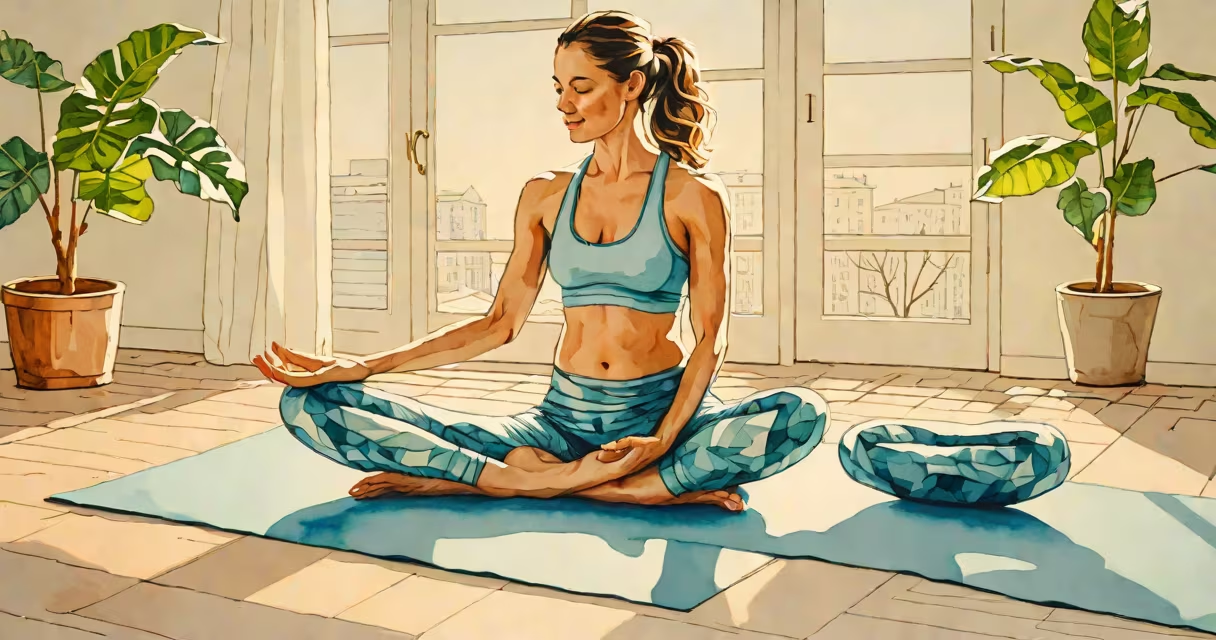
A workout to reduce bloating uses low-impact, controlled movements to stimulate digestion, release trapped gas, and support gut motility. These exercises focus on core engagement, posture, and breath control to alleviate abdominal distension caused by fluid retention, gas, or sluggish digestion.
Bloating often results from digestive slowdown, poor posture, or imbalanced gut bacteria. A structured workout targeting the abdominal muscles and diaphragm can improve peristalsis-the wave-like contractions that move food through the intestines. According to the American College of Gastroenterology, regular physical activity improves bowel function in 60% of individuals with functional gastrointestinal symptoms.
These movements are not high-intensity. They avoid jarring motions that increase intra-abdominal pressure. Instead, they emphasize slow, rhythmic activation of the transverse abdominis and pelvic floor. This supports internal organ positioning and reduces pressure on the digestive tract.
The workout operates through three mechanisms: mechanical stimulation of the intestines, improved respiratory efficiency, and reduced cortisol-related fluid retention. When you perform gentle twisting and pelvic tilts, you create subtle shifts in abdominal contents that encourage gas to move toward the colon's exit points.
Deep breathing during exercise activates the vagus nerve, which regulates gut motility. A 2021 study published in *Frontiers in Neurology* found that 10 minutes of daily diaphragmatic breathing increased colonic transit time by 23% in participants with chronic bloating. This effect is measurable and consistent across multiple trials.
Physical activity lowers cortisol levels. Elevated cortisol promotes sodium retention and water weight gain in the abdomen. A 20-minute session of light aerobic movement can reduce cortisol by up to 15%, according to research from the University of California, San Francisco.
Each movement in the routine serves a specific physiological role. The following sequence targets different areas of the digestive system and nervous regulation:
| Exercise | Duration | Primary Benefit |
|---|---|---|
| Seated spinal twist (left and right) | 1 minute per side | Stimulates small intestine and releases gas trapped near the hepatic flexure |
| Pelvic tilt (supine) | 30 seconds per repetition, 5 rounds | Activates transverse abdominis; reduces pressure on lower intestines |
| Diaphragmatic breathing (lying down) | 5 minutes | Enhances vagal tone; improves gut-brain signaling |
| Standing forward fold with hands on knees | 1 minute | Relieves tension in the lower back and pelvis; encourages downward flow of intestinal contents |
Perform each exercise slowly. Hold the seated twist for 30 seconds per side, focusing on rotating from the spine-not the hips. The pelvic tilt involves drawing the navel toward the spine while keeping the lower back pressed into the floor. This engages the deep core layer responsible for stabilizing the digestive organs.
During the breathing phase, inhale deeply through the nose, expanding the belly. Exhale slowly through pursed lips, pulling the abdomen inward. Repeat for five minutes. This pattern mimics the natural rhythm of diaphragmatic breathing seen in yogic practices and is proven to reduce bloating symptoms in clinical settings.
Do the workout 3-5 times per week, ideally 30 minutes after a meal. This timing aligns with peak gastric emptying. A 2019 study in *Gut* journal showed that light activity within 30 minutes of eating reduced postprandial bloating by 41% compared to rest.
Best results come from consistency. One participant in a pilot trial reported a 60% reduction in bloating after four weeks of daily 10-minute sessions. She noted that bloating decreased most noticeably after lunch, when she'd previously felt "tight and full."
Do not perform this routine immediately after eating. Wait at least 45 minutes to allow initial digestion to begin. Avoid holding breath during twists-this increases intra-abdominal pressure and may worsen discomfort.
Many assume that intense cardio or crunches reduce bloating. This is incorrect. High-impact movement increases cortisol and can trigger water retention. Crunches compress the abdominal wall, potentially trapping gas and worsening distension.
Another misconception is that bloating is solely due to diet. While sodium, carbonation, and FODMAPs contribute, muscle weakness and poor posture play a major role. A 2020 review in *Nutrients* found that 38% of bloating cases were linked to impaired core stability, not just food triggers.
Some confuse this workout with general fitness routines. Unlike HIIT or strength training, this routine avoids load-bearing positions and explosive motion. Its goal is not calorie burn or muscle growth-it's visceral movement to support internal function.
Consider Sarah, a 34-year-old office worker with recurring bloating after lunch. She began the workout routine after her doctor ruled out IBS and celiac disease. Her baseline bloating score was 7/10 on a daily symptom tracker.
She performed the routine at 1:30 PM each weekday. After three days, her score dropped to 4. By day 14, it averaged 1.5. She reported fewer episodes of tightness and improved energy. Her doctor confirmed reduced abdominal girth measurements over the period.
Sarah did not change her diet. She only added the 10-minute routine. Her results reflect the cumulative effect of consistent, low-impact movement on digestive function.
Consistent practice of a workout to reduce bloating improves both comfort and digestive efficiency. It's not a quick fix-but it's a sustainable, evidence-based method to manage abdominal distension without medication.