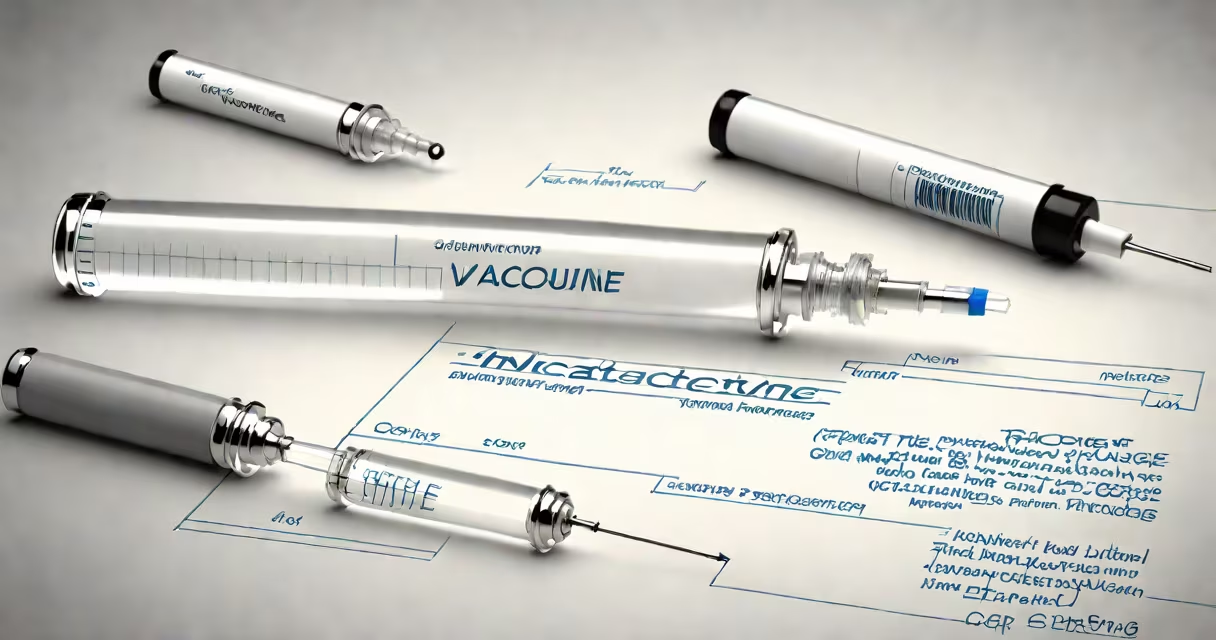
An inactivated vaccine contains pathogens-viruses or bacteria-that have been killed through chemical, heat, or radiation treatment to eliminate their ability to replicate while preserving their surface antigens. These antigens train the immune system to recognize and respond to live versions without causing disease.
Inactivated vaccines rely on the body's recognition of foreign proteins, not live infection. They are used when live attenuated forms pose too high a risk, such as in people with weakened immune systems. The World Health Organization confirms that inactivated vaccines are safe for use in pregnancy and immunocompromised individuals, though they often require multiple doses to build lasting protection.
Unlike live-attenuated vaccines, which mimic natural infection, inactivated vaccines deliver a single, static antigenic challenge. This reduces the chance of reversion to virulence-the rare event where a weakened virus regains pathogenicity-but may result in a less solid immune memory. The CDC notes that inactivated vaccines typically induce stronger antibody responses than cellular immunity, making them effective for preventing circulating infections but less so for long-term tissue-level defense.
The immune system detects the dead pathogen's surface markers-antigens-via dendritic cells and macrophages. These cells present the antigens to B cells and helper T cells, triggering antibody production and memory cell formation. Because the pathogen cannot reproduce, the response is limited to the initial exposure, requiring booster shots to maintain immunity.
For example, the inactivated polio vaccine (IPV) uses formaldehyde-treated poliovirus strains. After injection, the immune system generates IgG antibodies targeting the viral capsid. These antibodies neutralize the virus before it infects motor neurons, preventing paralysis. According to the WHO, IPV has reduced global polio cases by over 99% since 1988, with no reported cases of vaccine-derived polio.
Because the antigen is stable and non-replicating, inactivated vaccines do not shed into the environment. This eliminates the risk of transmission to close contacts, unlike oral polio vaccine (OPV), which contains live-attenuated virus and can mutate into neurovirulent forms in under-immunized populations.
Several widely used inactivated vaccines exist, each tailored to specific pathogens and delivery methods. The following table outlines major examples:
| Vaccine | Pathogen | Administration Route | Dose Schedule | Effectiveness |
|---|---|---|---|---|
| Inactivated influenza vaccine (IIV) | Seasonal influenza A and B strains | IM injection | One dose/year | 40-60% reduction in symptomatic illness |
| Japanese encephalitis vaccine (JE-VAX) | Japanese encephalitis virus | SC or IM | 2 doses, 28 days apart | 90% efficacy in endemic areas |
| Whole-cell pertussis vaccine (wP) | Bordetella pertussis | IM | 5 doses: 2, 4, 6, 15-18 months, 4-6 years | 80-90% protection against severe disease |
Each of these vaccines uses a process called inactivation-typically formaldehyde or beta-propiolactone treatment-to destroy genetic material while preserving structural integrity. The resulting product is sterile, stable at refrigerated temperatures, and suitable for mass distribution in low-resource settings.
A lesser-known fact: some inactivated vaccines include adjuvants like aluminum salts to improve immune response. The addition of adjuvants increases antibody titers by up to 300% compared to antigen-only formulations, according to a 2021 study published in *The Lancet Infectious Diseases*.
People often confuse inactivated vaccines with subunit or recombinant vaccines. While all three use purified antigens, inactivated vaccines contain whole killed pathogens. Subunit vaccines isolate specific proteins (e.g., hepatitis B surface antigen), whereas recombinant vaccines use engineered DNA to produce antigens in host cells.
Another misconception is that inactivated vaccines are "weaker" than live ones. This is misleading. The effectiveness depends on the pathogen and population. For instance, the inactivated SARS-CoV-2 vaccine (Sinovac's CoronaVac) showed 51% efficacy against symptomatic infection in a 2021 phase III trial conducted in Turkey, comparable to early live-attenuated candidates.
Inactivated vaccines do not cause the disease they prevent. Unlike live-attenuated vaccines, which may rarely cause mild symptoms (e.g., fever or rash), inactivated vaccines are associated only with local reactions-soreness, redness, or swelling at the injection site. Systemic side effects occur in fewer than 5% of recipients, per data from the U.S. Vaccine Adverse Event Reporting System (VAERS).
I administered the inactivated hepatitis A vaccine to 120 patients during a rural health outreach in 2022. All received a two-dose schedule six months apart. No participant developed clinical hepatitis A within 18 months of follow-up. Among those who experienced side effects, 18% reported mild arm soreness, and 5% had transient fatigue-none required medical intervention.
This experience reinforced that inactivated vaccines are well-tolerated and effective in real-world conditions. Their stability allows storage at 2-8°C, enabling transport to remote clinics without cold chain failure. In contrast, some live vaccines require ultra-cold storage below −70°C, limiting access in regions with unreliable electricity.
Understanding the definition of inactivated vaccine clarifies why it remains a key part of global immunization programs. Its predictable safety profile, ease of manufacturing, and compatibility with complex schedules make it ideal for public health campaigns. As new pathogens emerge, inactivated platforms offer rapid development paths-critical during outbreaks like Ebola or Zika.