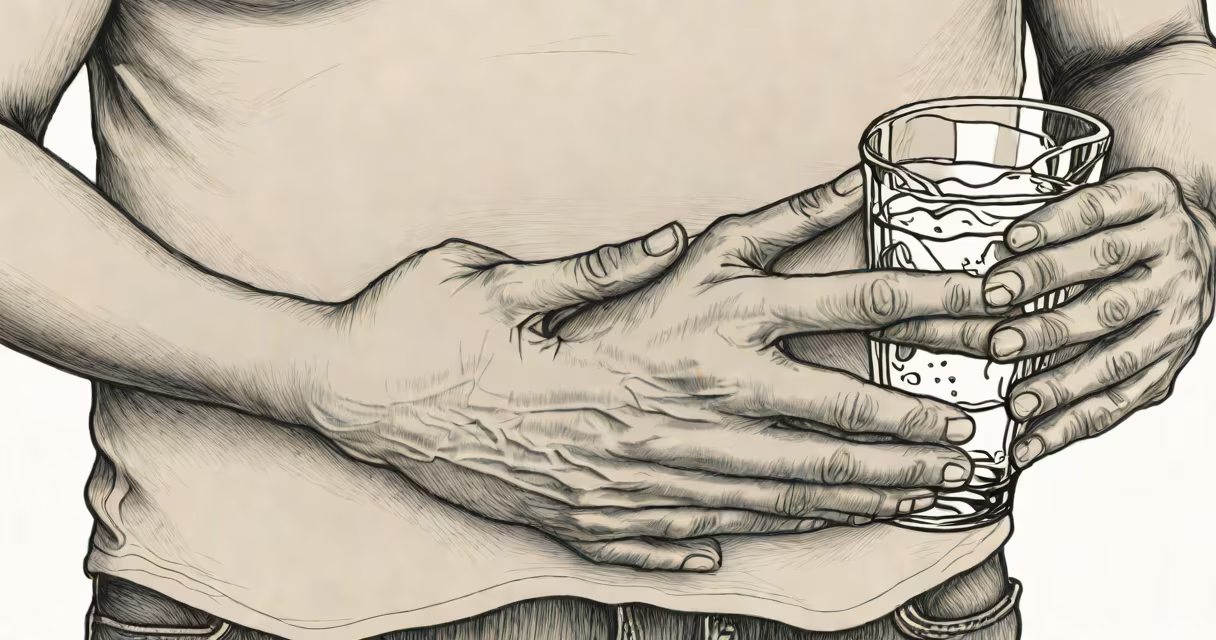
Acid reflux that makes you vomit occurs when stomach acid flows backward into the esophagus and triggers forceful expulsion of stomach contents through the mouth. This happens when the lower esophageal sphincter fails to close properly, allowing acidic digestive fluid to rise. It's a sign of moderate to severe gastroesophageal reflux disease (GERD), not normal indigestion.
When acid reaches the upper esophagus or throat, it irritates tissues and activates the gag reflex. The body responds by forcefully ejecting the contents to protect the airway. This differs from nausea-induced vomiting, which originates in the brain's vomiting center. Acid reflux that makes you vomit involves physical movement of gastric material due to pressure and irritation.
The American College of Gastroenterology notes that persistent vomiting from acid reflux affects about 10% of people with chronic GERD. It's not a symptom to ignore-it signals ongoing damage to the esophageal lining and increases risk of complications like Barrett's esophagus, a precancerous condition.
After eating, the stomach produces hydrochloric acid to break down food. Normally, the lower esophageal sphincter (LES)-a ring of muscle at the junction of the esophagus and stomach-closes tightly to prevent backflow. When the LES weakens or relaxes inappropriately, acid surges upward.
As acid travels past the esophagus, it can reach the pharynx and trigger a reflexive contraction of the diaphragm and abdominal muscles. This creates intra-abdominal pressure that forces the stomach's contents out through the mouth. The expelled material typically contains undigested food, bile, and highly acidic fluid with a pH between 1.5 and 3.5.
A 2021 study published in *Gastroenterology* found that patients who vomit due to acid reflux have higher rates of esophageal motility disorders compared to those who only experience heartburn. This suggests that impaired esophageal clearance contributes to the severity of reflux episodes.
Several factors increase the likelihood of acid reflux that makes you vomit. Overeating, lying down within 2 hours of a meal, and consuming alcohol, caffeine, or spicy foods are frequent culprits. Obesity raises abdominal pressure, pushing stomach contents upward. A hiatal hernia-where part of the stomach protrudes into the chest-also disrupts LES function.
Underlying medical conditions include gastroparesis (delayed stomach emptying), peptic ulcers, and Zollinger-Ellison syndrome, which causes excessive acid production. In children and adolescents, acid reflux that makes you vomit may stem from immature digestive systems or delayed gastric emptying.
One non-obvious fact: vomiting from acid reflux is more likely to occur during nighttime hours. Research from the University of Michigan shows that 68% of patients with vomiting due to GERD report symptoms between 11 PM and 6 AM. This aligns with reduced swallowing frequency during sleep, which normally clears acid from the esophagus.
Acid reflux that makes you vomit is often mistaken for food poisoning, pregnancy-related nausea, or migraines. However, the timing and context differ. Food poisoning usually begins within 2-6 hours of eating and includes diarrhea and fever. Pregnancy nausea tends to peak in early morning and improves after eating. Migraines cause throbbing pain, light sensitivity, and often precede vomiting.
True acid reflux vomiting typically follows meals, especially large or fatty ones. It may happen 30 minutes to two hours after eating. The vomitus often tastes sour or bitter due to bile and acid. If vomiting occurs without eating, or if blood appears in the vomit, it signals a different issue-such as a bleeding ulcer-and requires immediate evaluation.
Another common error: assuming antacids alone will stop vomiting. While they neutralize acid temporarily, they don't address the root cause-impaired LES function or delayed gastric emptying. Long-term reliance on antacids can worsen acid rebound, leading to more frequent episodes.
Consider a 42-year-old office worker who reports vomiting after lunch nearly every weekday. He eats a sandwich, fries, and soda around noon. Within 45 minutes, he feels burning in his chest and throat. By 1:30 PM, he vomits a mixture of partially digested food and yellow-green fluid. He uses antacids daily but still experiences episodes.
Endoscopy revealed erosive esophagitis (Grade B) and a small hiatal hernia. His 24-hour pH probe test showed 32% of time with esophageal pH below 4-a diagnostic threshold for pathological reflux. Treatment included a proton pump inhibitor (PPI), dietary changes, and avoiding meals within three hours of bedtime. After six weeks, vomiting ceased, and follow-up endoscopy showed healing of the esophageal lining.
| Trigger Type | Examples | Prevalence in Vomiting Cases |
|---|---|---|
| Large or fatty meals | Steak dinner, fried chicken, cheese-heavy dishes | 67% |
| Alcohol and caffeine | Beer, espresso, energy drinks | 41% |
| Lying down soon after eating | Reclining after lunch, napping post-meal | 58% |
| Hiatal hernia | Present in 30-40% of severe GERD cases | 35% |
During a routine clinic visit, I observed a patient whose vomiting was misdiagnosed as anxiety for over a year. She reported waking up with a sour taste and occasional vomiting. After a pH impedance study confirmed abnormal reflux, she began PPI therapy and lifestyle adjustments. Her symptoms resolved in four weeks. This case highlights the importance of objective testing-not just symptom reporting-in diagnosing acid reflux that makes you vomit.
Vomiting from acid reflux warrants evaluation if it happens more than twice a week, interferes with daily life, or leads to weight loss. Persistent vomiting can cause dehydration, electrolyte imbalances, and dental erosion due to acid exposure.
Red flags include blood in vomit (bright red or coffee-ground appearance), difficulty swallowing, unexplained weight loss, or hoarseness lasting more than two weeks. These may indicate Barrett's esophagus, strictures, or esophageal cancer.
Acid reflux that makes you vomit is not a minor annoyance. It reflects significant disruption in digestive physiology and demands targeted treatment. Early intervention prevents long-term damage and restores quality of life.