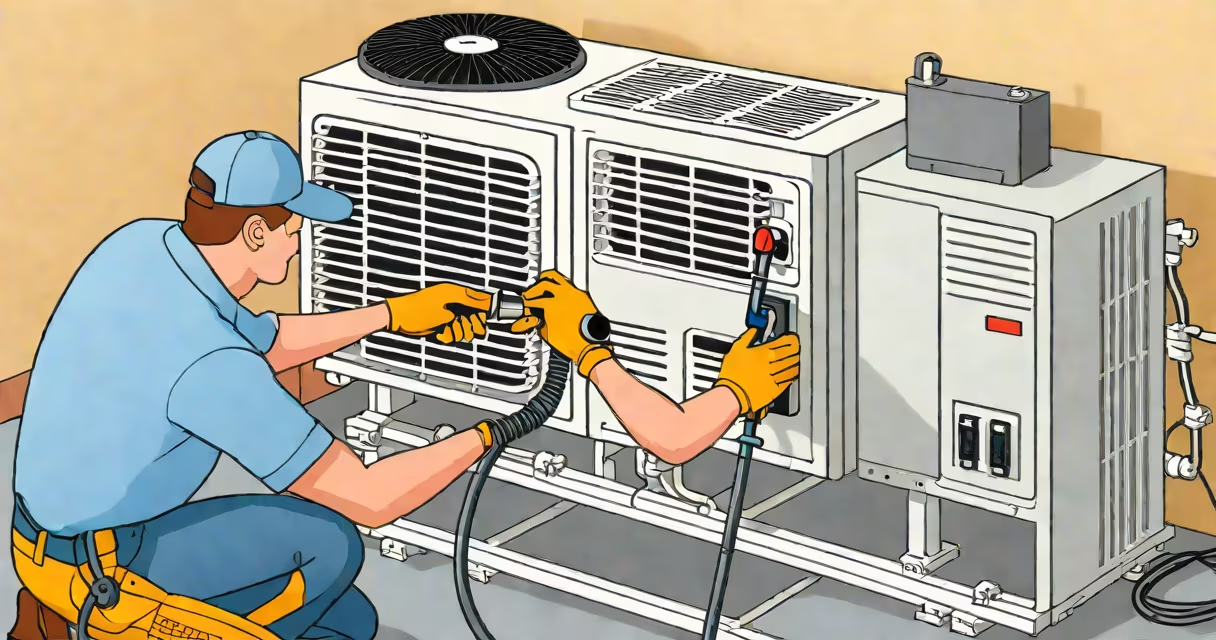
Air conditioner maintenance is the regular inspection, cleaning, and adjustment of components to ensure efficient cooling, prevent breakdowns, and extend equipment lifespan. It includes checking refrigerant levels, cleaning coils, replacing filters, and verifying electrical connections.
Proper maintenance keeps your system running at peak efficiency. A dirty air filter can reduce airflow by up to 15%, forcing the unit to work harder and increasing energy use. The U.S. Department of Energy reports that poorly maintained AC units consume 15-20% more electricity than well-tuned systems.
Most manufacturers recommend servicing your air conditioner at least once a year, ideally before summer heat begins. For central systems, this includes inspecting the condenser, evaporator coils, blower motor, and ductwork. Window units require filter replacement and external coil cleaning. Failure to maintain can lead to costly repairs or early unit failure.
Maintenance follows a diagnostic and corrective process. Technicians begin with a visual inspection of accessible parts-filters, vents, drain lines, and outdoor unit enclosures. They then test operational parameters such as refrigerant pressure, voltage supply, and airflow volume.
Next, they clean critical components. The evaporator coil inside the indoor unit collects dust and moisture, which can harbor mold. Cleaning it removes blockages and improves heat transfer. The condenser coil outside the home accumulates dirt, leaves, and debris, reducing heat dissipation. A soft brush and vacuum remove buildup without damaging fins.
After cleaning, technicians verify that all electrical connections are tight and free of corrosion. Loose wires can cause overheating or compressor failure. They also check thermostat calibration and test safety switches. A malfunctioning high-pressure switch may shut off the system prematurely during hot weather.
AC maintenance varies by system type. Central air conditioners rely on ductwork, blower motors, and multiple coils. Window units are self-contained and easier to service. Portable units have exhaust hoses and water collection tanks that require frequent emptying and cleaning.
| System Type | Common Maintenance Tasks | Frequency |
|---|---|---|
| Central AC | Filter replacement, coil cleaning, refrigerant check, duct inspection | Biannual (spring and fall) |
| Window Unit | Filter wash, exterior coil cleaning, drain pan check | Before each cooling season |
| Portable AC | Filter clean, hose unclog, water tank empty, vent hose alignment | Weekly during use |
Units rated at 6,000 BTU, common in small rooms or offices, require similar attention. Their condensate drain lines are prone to clogging due to algae growth. A blocked drain can cause water overflow and damage to walls or flooring.
Homeowners, property managers, and facility operators use air conditioner maintenance to avoid unexpected failures during peak demand. In regions with high summer temperatures-like Phoenix or Houston-AC systems run continuously for weeks. Without maintenance, failure rates spike.
Commercial buildings use scheduled maintenance to meet energy codes and reduce downtime. The Environmental Protection Agency notes that properly maintained HVAC systems in office spaces reduce energy consumption by 10-15% annually. This translates to $100-$300 in savings per unit per year, depending on usage and local electricity rates.
Landlords often include maintenance in lease agreements. A study by the National Apartment Association found that units with documented maintenance records had 40% fewer tenant complaints related to temperature control.
Many people believe that changing the filter monthly is sufficient. While filter replacement is essential, it doesn't address coil cleanliness or refrigerant levels. A 2022 report from the Air Conditioning Contractors of America (ACCA) states that 60% of AC repair calls stem from issues unrelated to filters-such as low refrigerant or faulty capacitors.
Another misconception is that DIY cleaning replaces professional service. Cleaning the exterior coil of a window unit is safe. But accessing the indoor evaporator coil requires removing panels and handling electrical components. Improper handling risks shock or voiding warranties.
I once replaced a 6,000 BTU unit's capacitor after a tenant reported no cooling. The unit ran but didn't blow cold air. After testing, I found the start capacitor was weak-causing the compressor to fail to engage. The owner had cleaned the filter weekly but hadn't checked the electrical components. Replacing the capacitor restored function. This case shows that filter changes alone don't prevent all failures.
Best practice is to schedule maintenance in late spring, before the hottest months. This allows time to fix issues before peak demand. Some technicians offer "cooling readiness" checks that include airflow measurement, refrigerant charge verification, and thermostat accuracy tests.
For portable or window units, clean before each season. If you live in a dusty area, clean the external coil every two weeks during use. Units in humid climates need more frequent drain checks to prevent mold growth.
Signs your system needs immediate attention include: unusual noises (grinding, squealing), warm air from vents, water pooling near the indoor unit, or frequent cycling on and off. These indicate problems beyond routine maintenance-such as refrigerant leaks or failing compressors.
Regular air conditioner maintenance reduces long-term costs, improves comfort, and supports environmental goals by lowering energy waste. It's not optional-it's a necessity for reliable cooling.