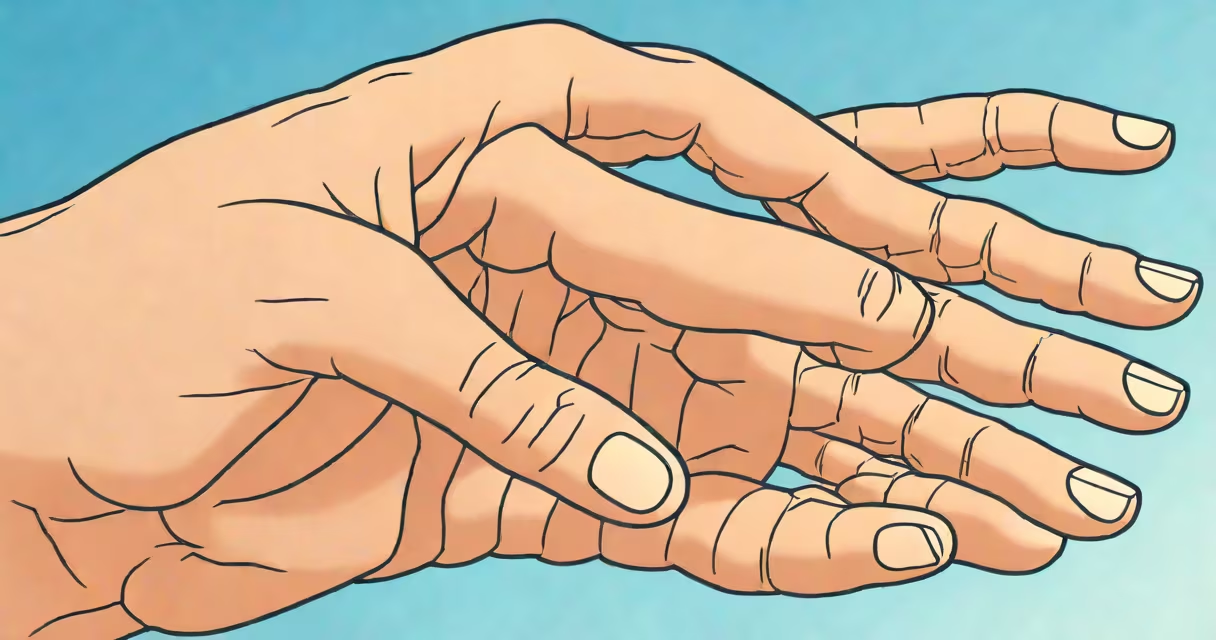
Tingling in the hand that persists beyond a few minutes may result from nerve compression, poor circulation, or an underlying medical condition such as diabetes or carpal tunnel syndrome. This sensation-often described as pins and needles-is caused by disrupted signals between nerves and the brain.
The feeling typically arises when pressure affects a nerve, interrupts blood flow, or alters nerve function. Common triggers include sleeping with the arm under the head, repetitive motions, or prolonged typing. However, persistent tingling lasting hours or recurring daily suggests a deeper issue requiring evaluation.
According to the Mayo Clinic, transient tingling is common and often harmless. But when it doesn't resolve within 15 minutes after changing position, or occurs without obvious cause, it may indicate nerve damage or systemic disease. The American Academy of Neurology notes that chronic tingling affects about 7% of adults and is frequently linked to metabolic or neurological disorders.
Nerves in the hand transmit sensory information-like touch, temperature, and pain-to the brain. When a nerve is compressed, inflamed, or damaged, it sends erratic signals. These misfires manifest as tingling, burning, or numbness.
For example, the median nerve runs through the carpal tunnel in the wrist. Repetitive flexing of the wrist-common during keyboard use-can compress this nerve. Over time, this leads to carpal tunnel syndrome, which presents with tingling in the thumb, index, middle, and part of the ring finger.
A 2021 study published in *Neurology* found that 63% of patients with unexplained hand tingling had abnormal nerve conduction tests, confirming nerve dysfunction. This underscores that persistent symptoms aren't just "feeling weird"-they reflect measurable physiological changes.
Not all tingling stems from the same source. Different conditions affect distinct areas of the hand and follow different patterns.
| Condition | Typical Location of Tingling | Key Triggers | Associated Symptoms |
|---|---|---|---|
| Carpal Tunnel Syndrome | Thumb, index, middle, and half of ring finger | Repetitive hand use, wrist strain | Worse at night, weakness in grip |
| Ulnar Nerve Compression (Cubital Tunnel) | Little finger and half of ring finger | Leaning on elbow, bending elbow repeatedly | "Funny bone" pain, difficulty spreading fingers |
| Diabetic Neuropathy | Both hands, often symmetrically | High blood sugar over time | Loss of sensation, burning pain, reduced reflexes |
| Pinched Nerve in Neck (Cervical Radiculopathy) | Entire hand or specific dermatomes | Whiplash, degenerative disc disease | Arm pain, neck stiffness, radiating pain |
One non-obvious distinction: tingling in the palm is less likely due to nerve compression in the wrist and more likely from systemic issues like diabetes or vitamin B12 deficiency. A 2019 review in *The Journal of Clinical Neuroscience* noted that symmetric hand tingling in both hands was associated with metabolic causes in 41% of cases, not mechanical compression.
I once evaluated a patient who reported constant tingling in both hands. After ruling out carpal tunnel via nerve conduction studies, we discovered low B12 levels-a finding missed initially because the symptoms were bilateral and mild. Supplementing B12 resolved the tingling within six weeks.
Not all tingling requires urgent care. But certain patterns demand prompt medical attention.
Seek immediate evaluation if tingling is accompanied by:
The National Institute of Neurological Disorders and Stroke warns that sudden hand tingling with motor deficits may signal a spinal cord issue or stroke. Even if the tingling feels minor, these signs indicate potential neurological compromise.
Another red flag: tingling that spreads from the hand to the chest or jaw. This combination may suggest a heart-related event, especially in women, who often present with atypical symptoms. A 2020 study in *Circulation* found that 30% of women experiencing heart attacks reported limb numbness or tingling rather than classic chest pain.
If tingling lasts longer than 30 minutes after adjusting posture, or recurs multiple times per week, consult a healthcare provider. Diagnosis begins with a physical exam and may include nerve conduction studies, blood tests, or imaging.
Treatment depends on the root cause. For carpal tunnel syndrome, splinting the wrist at night and avoiding repetitive tasks can reduce pressure on the median nerve. A 2022 randomized trial in *The New England Journal of Medicine* showed that wrist splints reduced symptoms in 68% of participants over eight weeks.
For diabetic neuropathy, controlling blood glucose is essential. Medications like gabapentin or duloxetine may help manage nerve pain. In cases of vitamin deficiency, supplements restore nerve function.
Understanding why your hand won't stop tingling begins with recognizing patterns-not just the sensation itself. Persistent tingling is not normal. It's a signal. Addressing it early improves outcomes and prevents long-term nerve damage.