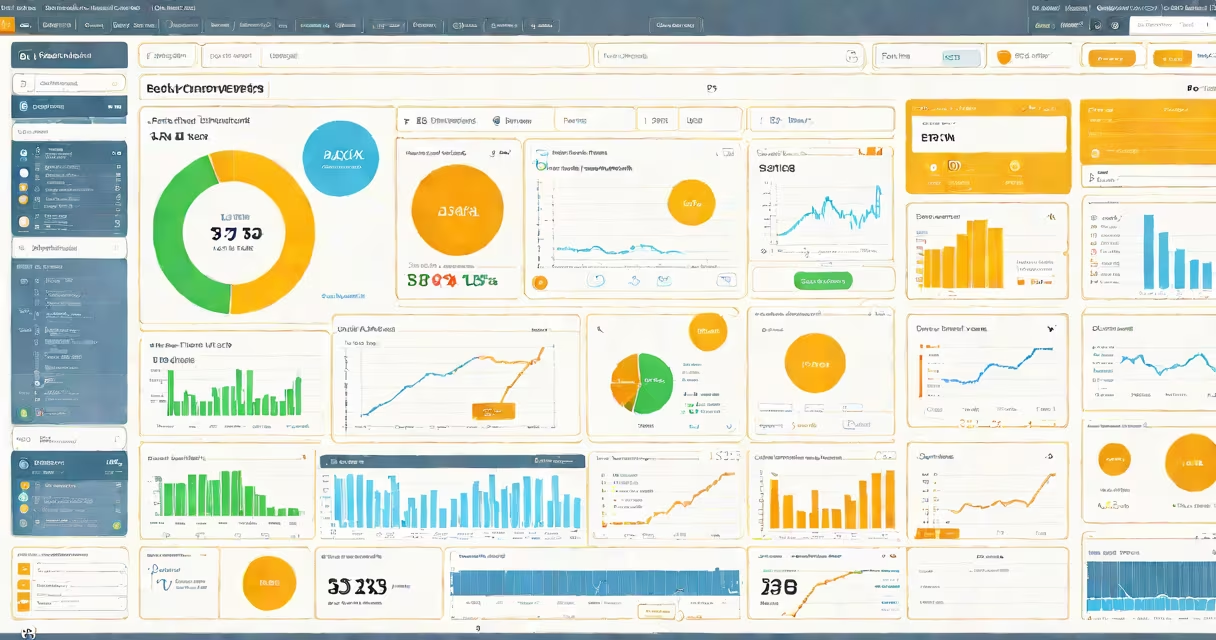
B2B e commerce software enables businesses to conduct large-scale online transactions with other businesses through automated order processing, account-based pricing, and integrated inventory and payment systems. It replaces manual processes like faxed purchase orders and paper invoices with secure, real-time digital workflows.
Unlike consumer-focused platforms such as Amazon or Shopify, b2b e commerce software supports complex requirements: tiered pricing based on volume or customer status, recurring orders, multi-user access within a company, and integration with enterprise resource planning (ERP) systems. A single platform can manage thousands of business customers across multiple regions, each with customized catalogs and approval workflows.
For example, a wholesaler selling industrial components uses b2b e commerce software to offer different price tiers to contractors, distributors, and government agencies. When a contractor logs in, they see only the products and prices approved for their account. They place an order, which automatically checks inventory levels and sends the order to the warehouse system. The buyer receives a digital invoice, and the seller's accounting system updates in real time.
The core function of b2b e commerce software is to automate the entire transaction lifecycle-from product discovery to fulfillment. It begins with a secure login tied to a business account, not an individual. Once logged in, users access a personalized storefront with catalog filters, custom pricing, and saved preferences.
Behind the scenes, the software connects to internal systems. Orders trigger automated workflows: inventory systems reduce stock levels, shipping modules generate labels, and finance systems create invoices. These integrations happen via APIs or middleware, ensuring data flows without human intervention.
Advanced platforms include features like quote generation, approval routing, and contract management. For instance, a purchasing manager at a hospital supply chain company may submit a request for 500 surgical gowns. The system generates a quote with bulk pricing, routes it to a department head for approval, and then converts it into a formal order upon sign-off.
Modern b2b e commerce software combines several technologies. The most effective systems integrate a web storefront, backend order management, customer relationship management (CRM), and ERP connectivity. Some platforms are built on cloud infrastructure, while others run on-premise or hybrid models.
| Type | Best For | Example Use Case | Integration Level |
|---|---|---|---|
| Standalone platforms | Small to mid-sized suppliers | A regional distributor launching online sales | Basic API support |
| ERP-integrated systems | Larger enterprises with existing SAP or Oracle | A manufacturer syncing orders with production schedules | Deep, bidirectional sync |
| Headless commerce platforms | Brands building custom frontends | A tech company creating a branded portal for resellers | API-first architecture |
One non-obvious distinction: not all b2b platforms handle multi-tier pricing correctly. Some apply discounts at the cart level, leading to inconsistent pricing. The best systems enforce pricing rules at the product level, ensuring that a customer sees only the correct rate based on their account profile and purchase history.
Many assume b2b e commerce software is simply a "business version" of Shopify. That's incorrect. While Shopify supports some B2B features like bulk pricing and customer groups, it lacks native support for complex workflows such as multi-step approval chains, contract-based pricing, or integration with legacy ERP systems.
Another misconception is that b2b e commerce software only serves large corporations. In reality, small manufacturers and service providers use it to scale operations. A machine shop with 120 clients uses b2b e commerce software to manage custom quotes, track delivery dates, and send automated follow-ups-all without increasing staff.
I once observed a client using a basic spreadsheet to manage 600 monthly orders. After switching to a dedicated b2b e commerce solution, they reduced order errors by 89% and cut processing time from 14 hours to under 90 minutes per week.
According to Gartner, 74% of B2B buyers expect a digital experience comparable to B2C platforms. Companies that fail to meet this standard lose competitive edge. B2B e commerce software closes the gap by delivering speed, accuracy, and consistency.
It also improves data visibility. Sales teams gain insights into buying patterns, identify upsell opportunities, and forecast demand. Finance departments reduce days sales outstanding (DSO) by automating invoicing and payment tracking.
For example, a global supplier of packaging materials uses b2b e commerce software to track order frequency, average order value, and customer churn rates. This data informs marketing campaigns and identifies high-value clients for retention programs.
When choosing a solution, prioritize platforms that support role-based access, audit trails, and compliance with standards like GDPR and SOC 2. These ensure security and traceability across transactions.
B2B e commerce software is not a luxury-it's a necessity for scaling operations, improving customer satisfaction, and maintaining margins in competitive markets. Its ability to automate high-volume, low-error transactions makes it essential for modern business-to-business trade.