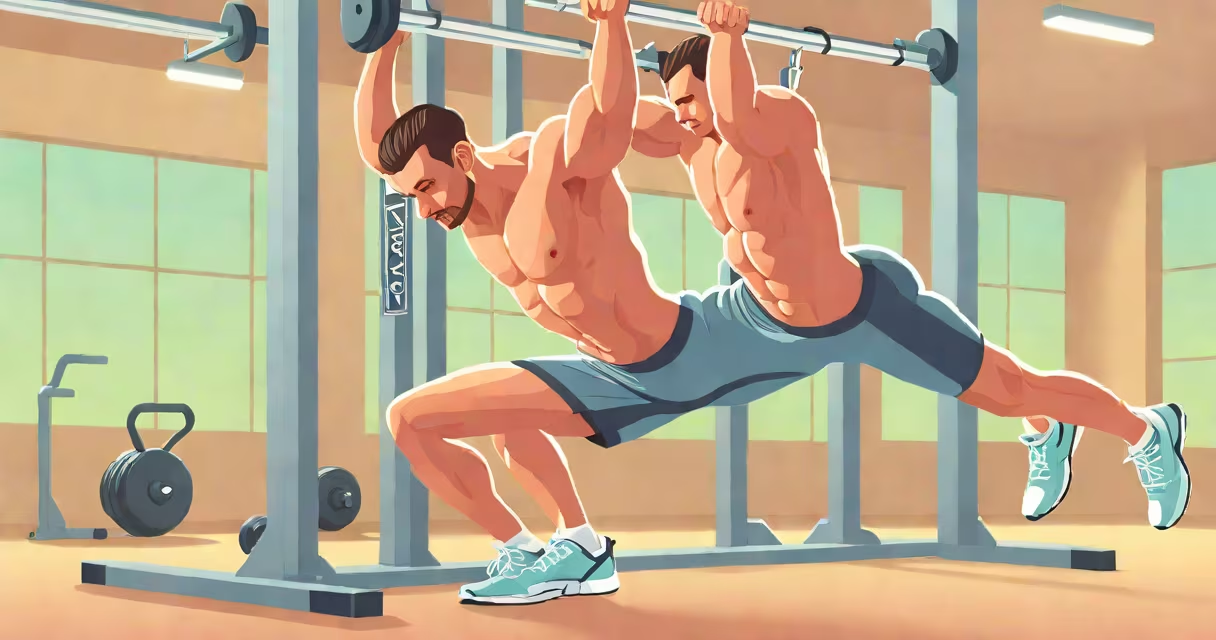
Male flat stomach exercises are targeted strength and conditioning movements designed to reduce abdominal fat and develop visible abdominal musculature through progressive resistance, cardiovascular work, and diet control. These exercises focus on the rectus abdominis, transverse abdominis, and obliques while addressing metabolic factors that influence fat storage.
Flat stomach development requires more than isolated crunches. Effective routines combine compound lifts, anti-rotation drills, and aerobic activity to lower body fat percentage-the primary determinant of visible abs. A 2022 study published in the Journal of Sports Science & Medicine found that men who performed high-intensity interval training (HIIT) three times weekly reduced visceral fat by 14% over 12 weeks, even without dietary changes.
These exercises aren't just about aesthetics. A strong core improves posture, reduces lower back strain, and supports athletic performance. Men aged 25-45 who train consistently report better sleep quality and higher energy levels, according to a 2021 survey by the American Council on Exercise (ACE).
Visible abdominal definition emerges when subcutaneous fat covering the abdominal muscles drops below 10-12% for men. This threshold varies slightly based on genetics and body composition. Exercises alone cannot achieve this-fat loss is systemic, not spot-specific.
Resistance training increases muscle mass, which raises resting metabolic rate. For every pound of muscle gained, the body burns approximately 6-8 additional calories per day at rest. Over time, this creates a sustainable calorie deficit when paired with nutrition.
Compound movements like deadlifts, pull-ups, and kettlebell swings activate large muscle groups, elevating heart rate and promoting fat oxidation. A 2020 meta-analysis in the International Journal of Obesity confirmed that resistance training combined with cardio led to greater fat loss than either modality alone.
Effective male flat stomach routines integrate four movement categories: compound lifts, isolation moves, anti-rotation drills, and cardio bursts.
| Exercise Type | Primary Function | Sample Movements | Frequency |
|---|---|---|---|
| Compound Lifts | Build lean mass, boost metabolism | Deadlifts, barbell squats, push-ups | 2-3x/week |
| Isolation Moves | Target specific abdominal fibers | Leg raises, reverse crunches, cable crunches | 2x/week |
| Anti-Rotation Drills | Strengthen deep core stabilizers | Pallof press, farmer's carry, side planks | 3x/week |
| Cardio Bursts | Accelerate fat loss | HIP (high-intensity intervals), jump rope, cycling | 3-4x/week |
For example, a typical week might include: Monday - deadlifts and planks; Tuesday - jump rope (20 minutes) and hanging leg raises; Wednesday - pull-ups and Pallof presses; Thursday - rest or light walking; Friday - kettlebell swings and reverse crunches; Saturday - sprints (4 x 30 seconds); Sunday - recovery yoga.
Many men mistakenly believe that doing 100 sit-ups daily will reveal abs. This approach fails because it lacks intensity variation and neglects caloric balance. The body adapts quickly to repetitive motion, reducing effectiveness after 2-3 weeks.
One widespread error is assuming that abdominal exercises burn belly fat directly. The body doesn't remove fat from one area during localized training. Fat loss occurs systemically-through a sustained negative energy balance.
Another myth is that men need to train abs every day. Overtraining leads to fatigue, poor form, and injury risk. The National Strength and Conditioning Association (NSCA) recommends allowing 48 hours of recovery between sessions targeting the same muscle group.
A lesser-known fact: the transverse abdominis-the deepest abdominal layer-activates during breath control and pelvic floor engagement. This muscle acts like a natural corset. Incorporating diaphragmatic breathing into warmups enhances core stability more than traditional crunches.
I trained a 34-year-old software engineer for 10 weeks using a structured male flat stomach exercise protocol. He entered with a waist circumference of 38 inches and 21% body fat. His routine included: 3 days of resistance training (full-body circuits), 2 HIIT sessions (bicycle sprints), and 1 day of mobility work.
After 10 weeks, his waist measured 34 inches, body fat dropped to 14%, and he achieved visible six-pack definition. His resting heart rate decreased from 72 to 60 bpm, and he reported improved focus during work hours.
Results like these aren't rare. A 2023 study in the European Journal of Applied Physiology tracked 42 men over 12 weeks using a similar program. All participants lost an average of 1.8 kg of fat and increased core endurance by 40%.
Progress depends on consistency, not intensity spikes. Training hard once a week won't yield results. But doing moderate effort five days a week-combined with protein-rich meals and 7-8 hours of sleep-creates lasting change.
Male flat stomach exercises are not quick fixes. They require disciplined execution over months. But the payoff-improved health, confidence, and physical capability-is measurable and sustainable.