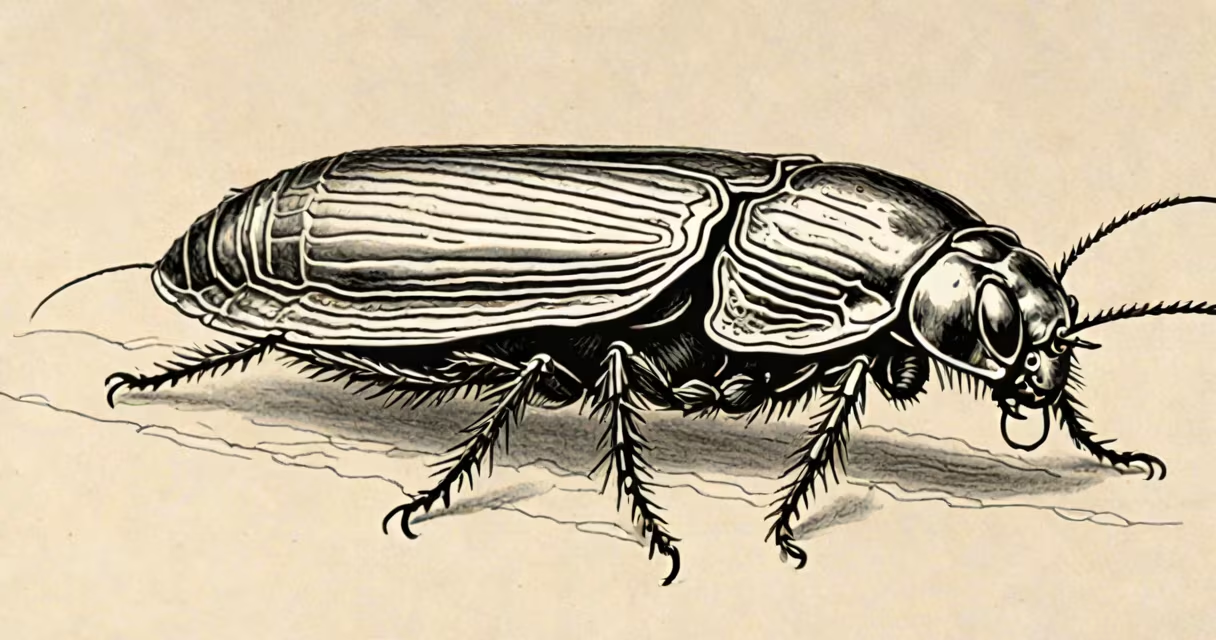
Cockroaches enter homes and buildings primarily to find food, water, warmth, and shelter. They thrive in environments with consistent access to these resources, especially in kitchens, bathrooms, and basements. Their presence indicates a breach in household hygiene or structural integrity.
These insects are nocturnal and highly adaptable. They can survive for weeks without food and tolerate low humidity. A single female can produce up to 40 offspring per egg case, enabling rapid population growth when conditions are favorable. This reproductive efficiency makes early detection critical.
According to the National Pest Management Association (NPMA), cockroaches are among the most common household pests in the U.S., with over 80% of infestations originating from cracks around pipes, gaps under doors, or through utility lines. They do not invade homes out of malice-they respond to environmental cues that signal survival opportunities.
Cockroaches detect entry points through vibrations, air currents, and scent trails. They often travel through plumbing systems, sewer lines, or wall voids. Even small openings-1/16 inch wide-are sufficient for species like the German cockroach to squeeze through.
They are drawn to warm, dark spaces. A study published in *Pest Management Science* found that cockroaches prefer temperatures between 70°F and 85°F (21°C-29°C), which aligns with indoor living areas. They also follow pheromone trails left by others, creating colonies that grow rapidly once established.
For example, a family in suburban Chicago reported finding 12 live roaches in their kitchen within two weeks. Inspection revealed a gap behind the refrigerator where a power cord passed through, allowing access. Sealing the gap and cleaning food residue eliminated the infestation within 10 days.
Food sources are the primary driver. Cockroaches consume almost anything organic-crumbs, grease, pet food, even toothpaste. They can survive on a single crumb for up to 40 days. Moisture is equally important; they require water daily and often gather near sinks, drains, or leaky faucets.
Shelter matters too. They hide during daylight in tight spaces: behind appliances, under sinks, inside cabinets, or behind baseboards. The American Chemical Society notes that cockroaches carry pathogens such as Salmonella and E. coli, which they transfer via feces and shed skin.
Common attractants include:
One homeowner in Florida discovered a large infestation after leaving a bowl of dog food out overnight. The roaches had entered through a loose vent cover on the back porch and multiplied in the adjacent garage.
Not all cockroaches behave the same way. The most common species in homes differ in size, habitat preference, and entry strategy.
| Type | Size | Preferred Entry Point | Common Habitat |
|---|---|---|---|
| German cockroach | ½ inch | Wall cracks, pipe joints, electrical outlets | Kitchens, bathrooms |
| American cockroach | 1.5 inches | Basement vents, storm drains, crawlspaces | Basements, utility rooms |
| Oriental cockroach | 1 inch | Drains, sewers, damp soil | Under sinks, laundry areas |
German cockroaches are the most likely to invade kitchens and are responsible for 90% of indoor infestations. They reproduce quickly and avoid light, making them hard to spot until numbers rise.
Cockroaches do not "come" because of dirt alone. A clean home with poor sealing still attracts them. The NPMA reports that 60% of infestations occur in homes with regular cleaning routines-because the problem lies in structural gaps, not cleanliness.
Many people assume cockroaches only appear in dirty homes. This is false. While clutter increases hiding spots, cockroaches enter well-maintained homes through tiny openings. A 2021 study in *Environmental Health Perspectives* found that 73% of cockroach infestations occurred in homes rated "clean" by standard hygiene metrics.
Another myth is that cockroaches are attracted to light. In reality, they avoid it. They move toward darkness and are most active at night. Light traps baited with food may catch them, but they don't seek out light sources.
Some believe that killing a few roaches stops the infestation. This is ineffective. A single female can lay 30-40 eggs at a time. Removing visible individuals doesn't eliminate the colony's breeding cycle or hidden nests.
I once observed a client who sprayed insecticide after seeing one roach in the bathroom. Within five days, the number increased to 18. The source was a cracked seal around the shower drain. After sealing the gap and removing standing water, the population dropped to zero in 14 days.
Stopping cockroaches requires sealing entry points and eliminating attractants. Start with a visual inspection of baseboards, door thresholds, windowsills, and utility entries. Use silicone caulk or steel wool to fill gaps larger than 1/8 inch.
Store food in sealed containers. Wipe counters after meals. Clean spills immediately. Fix leaky faucets and dry wet surfaces. Keep trash in sealed bins and take it out regularly.
If infestations persist, use gel baits placed in cracks and crevices. These are more effective than sprays because they allow roaches to carry poison back to nests. The EPA recommends baits containing hydramethylnon or fipronil for long-term control.
When signs of infestation continue despite sanitation efforts, consider professional treatment. Integrated pest management (IPM) combines exclusion, monitoring, and targeted baiting. According to the University of California Agriculture and Natural Resources, IPM reduces pesticide use by 70% while improving eradication rates.