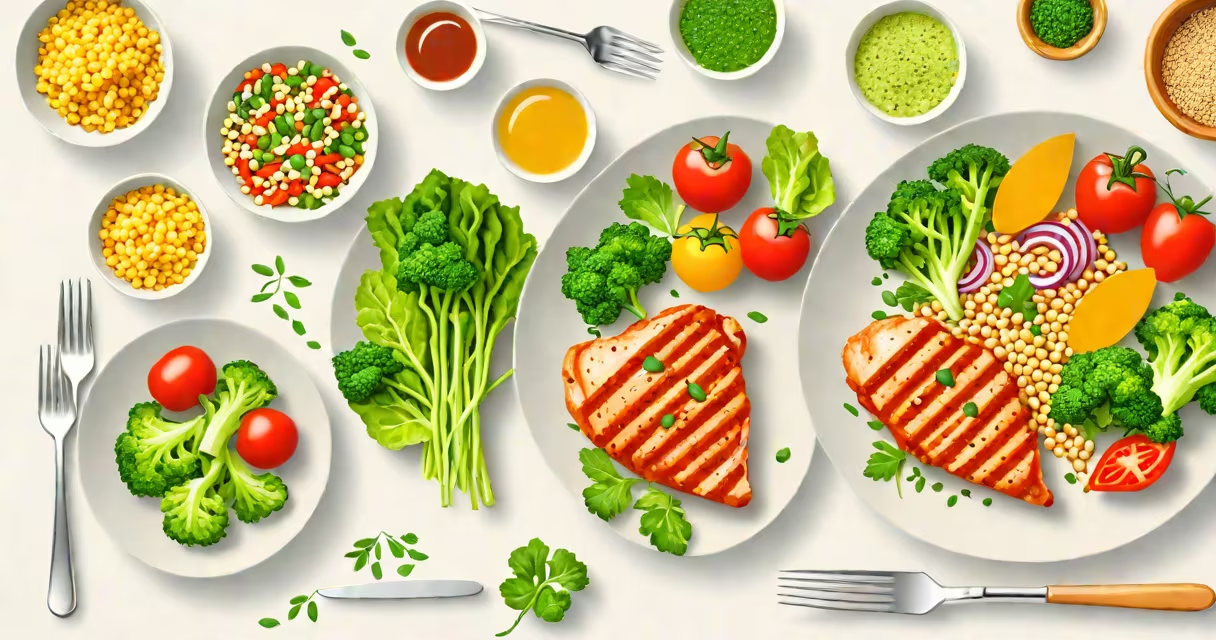
The best diet following gallbladder removal emphasizes low-fat, high-fiber meals to reduce digestive stress and prevent discomfort. Without the gallbladder, bile flows continuously into the small intestine, making fat digestion harder. This leads to bloating, diarrhea, or cramping when fats are consumed in excess. A gradual transition to a balanced, low-fat diet improves tolerance and supports healing.
After gallbladder removal, the body adapts slowly. Bile, produced by the liver, is no longer stored and concentrated. Instead, it's released steadily, which means large amounts of fat overwhelm the system. High-fat meals trigger symptoms like nausea, gas, and loose stools. The goal is to minimize these reactions through consistent food choices, portion control, and meal timing.
According to the American Society for Gastrointestinal Endoscopy (ASGE), patients should start with clear liquids and bland foods in the first 24 hours post-surgery. After that, transitioning to low-fat solids over 3-5 days reduces strain on the digestive tract. The ideal diet includes lean proteins, cooked vegetables, whole grains, and limited healthy fats.
Without the gallbladder, bile is released directly from the liver into the small intestine. This continuous flow lacks the concentration needed to efficiently break down fatty foods. As a result, undigested fat passes into the colon, drawing water and causing diarrhea. This process is known as fat malabsorption.
High-fiber foods slow digestion and help regulate bowel movements. They also bind bile acids, reducing irritation in the colon. Soluble fiber, found in oats, apples, and legumes, forms a gel-like substance that stabilizes stool consistency. Insoluble fiber, from whole grains and vegetables, adds bulk and prevents constipation.
A study published in the journal Frontiers in Nutrition found that patients who followed a low-fat, high-fiber diet after cholecystectomy reported 60% fewer episodes of diarrhea and bloating compared to those who ate unrestricted diets. These results show the importance of dietary structure during recovery.
Focus on lean proteins such as skinless poultry, fish, tofu, and eggs. Cook using methods like grilling, baking, or steaming. Avoid frying, sautéing in oil, or using creamy sauces. Choose complex carbohydrates like brown rice, barley, quinoa, and sweet potatoes. These provide sustained energy without spiking blood sugar.
Vegetables should be cooked, not raw. Raw broccoli, cabbage, and kale cause gas and bloating due to their high raffinose content. Steam or boil them until soft. Fruits should be low in fructose-opt for berries, apples, and pears. Avoid citrus fruits, which irritate the stomach lining in sensitive individuals.
| Foods to include | Foods to avoid |
|---|---|
| Boiled or baked chicken | Fried foods (chips, fried chicken) |
| Oatmeal with water | Full-fat dairy (cheese, whole milk) |
| Steamed carrots and zucchini | High-fat meats (bacon, sausage) |
| Applesauce (unsweetened) | Chocolate, pastries, cookies |
| White fish (cod, tilapia) | Avocados, nuts, seeds |
Portion size matters. Eating large meals overwhelms the digestive system. Aim for 4-6 small meals daily. A single serving of protein should be about the size of a deck of cards (about 3 ounces).
Many assume they must eliminate all fat. That's incorrect. Small amounts of healthy fat-like olive oil in salad dressing or a few walnuts-are tolerable once the body adjusts. The issue is quantity and frequency, not fat itself.
Another misconception is that the diet is temporary. While most people adapt within 6 weeks, some develop long-term sensitivity. The National Institute of Diabetes and Digestive and Kidney Diseases (NIDDK) notes that up to 15% of patients report ongoing digestive issues beyond 3 months. These cases require ongoing dietary management.
I learned this firsthand while recovering from laparoscopic cholecystectomy. On day two, I ate a small piece of fried fish. Within 30 minutes, I had severe cramps and watery diarrhea. I spent the night in pain. After switching to boiled chicken and rice, symptoms resolved. That experience taught me: listen to your body, not just the list.
Day 1-2: Clear liquids (water, broth, herbal tea). No solid food.
Day 3-5: Bland, low-fat foods-boiled rice, plain toast, banana, apple sauce. Start with 1-2 tablespoons per meal.
Day 6-10: Introduce lean protein and cooked vegetables. Add one new food per day to track tolerance.
Week 3+: Gradually increase variety. Focus on fiber-rich, low-fat options. Limit processed foods.
Monitor your response to each food. Keep a journal for 2 weeks. Note timing, portion size, and symptoms. This data helps identify patterns and adjust your diet effectively.
Long-term success depends on consistency. The best diet following gallbladder removal isn't a quick fix-it's a sustainable shift toward mindful eating. Prioritize whole foods, avoid high-fat snacks, and stay hydrated. With time, most people regain normal digestion and enjoy many foods without discomfort.