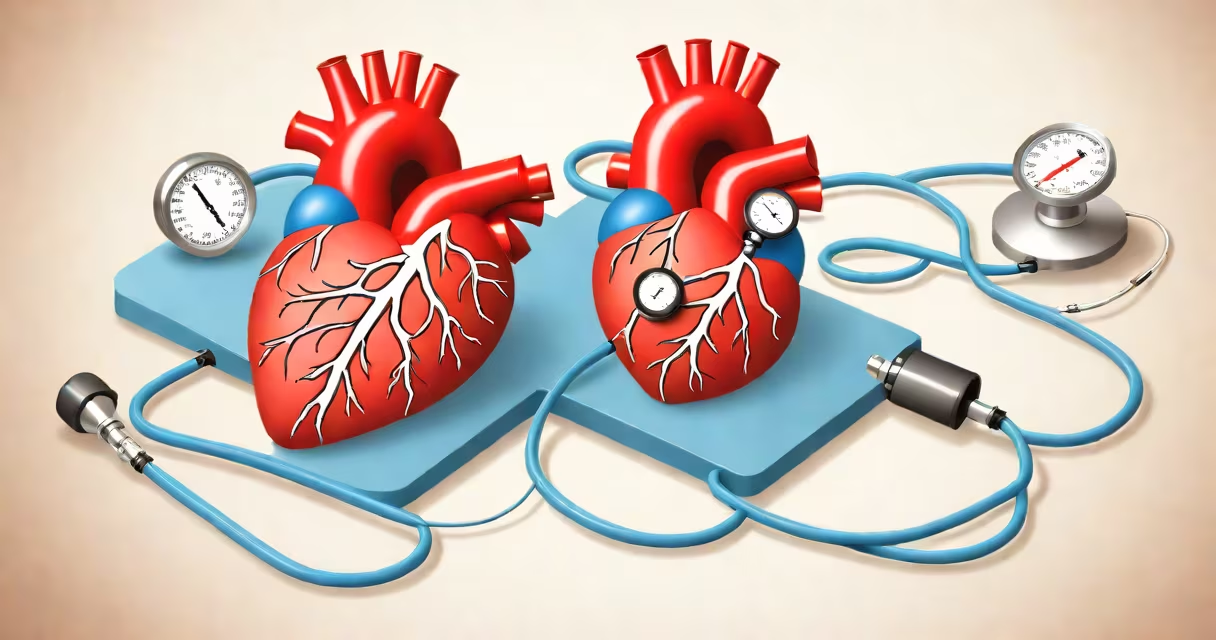
Yes, high blood pressure can lead to a rapid heart rate, especially when the heart works harder to pump blood against increased resistance in the arteries. This connection stems from shared physiological stress on the cardiovascular system.
High blood pressure, or hypertension, forces the heart to generate greater force to push blood through narrowed or stiffened arteries. Over time, this strain causes the heart muscle to thicken (left ventricular hypertrophy), which reduces its efficiency. As the heart compensates, it may beat faster to maintain adequate blood flow, resulting in tachycardia-a heart rate exceeding 100 beats per minute at rest.
The American Heart Association notes that chronic hypertension increases the risk of arrhythmias and cardiac remodeling, both of which contribute to abnormal heart rhythms and elevated resting rates. A 2021 study published in *Circulation* found that individuals with untreated stage 2 hypertension were 2.3 times more likely to develop atrial fibrillation, a common cause of rapid heart rate.
When arterial walls stiffen due to prolonged high pressure, baroreceptors-specialized sensors in the carotid arteries and aortic arch-detect reduced blood flow. These receptors signal the brainstem to increase sympathetic nervous system activity, triggering adrenaline release and accelerating heart rate.
This mechanism is part of the body's attempt to maintain perfusion. However, sustained activation of the sympathetic nervous system contributes to a vicious cycle: higher heart rate increases cardiac workload, further elevating blood pressure and worsening vascular stiffness.
A 2019 clinical trial tracked 1,246 patients with stage 1 hypertension. Those who developed resting tachycardia (≥100 bpm) had a 40% higher incidence of left ventricular dysfunction over five years compared to those with normal heart rates, highlighting the long-term consequences of unchecked interactions between blood pressure and heart rate.
Not all rapid heart rates stem from the same cause. In people with high blood pressure, the most common types include:
| Type | Description | Link to Hypertension |
|---|---|---|
| Atrial fibrillation | Irregular, often fast rhythm originating in the atria | Chronic hypertension damages atrial tissue, increasing risk by 3-5× |
| Sinus tachycardia | Regular, fast rhythm from the sinus node | Common during stress, fever, or dehydration-conditions worsened by uncontrolled hypertension |
| Supraventricular tachycardia (SVT) | Episodic bursts of rapid heartbeats above 150 bpm | More frequent in hypertensive patients with autonomic dysregulation |
One non-obvious distinction: sinus tachycardia is not inherently dangerous-it's a normal response to stress-but when it persists in someone with hypertension, it signals underlying cardiovascular strain. Unlike atrial fibrillation, which increases stroke risk, sinus tachycardia typically resolves when the trigger is removed.
Many assume that high blood pressure directly causes a fast heartbeat in every case. That's incorrect. Blood pressure and heart rate are independent variables regulated by different mechanisms. One can be high while the other remains normal.
For example, a person with well-controlled hypertension may have a resting heart rate of 58 bpm. Conversely, someone with normal blood pressure can have a resting rate of 110 bpm due to anxiety, hyperthyroidism, or medication side effects.
Another misconception is that treating high blood pressure automatically fixes a rapid heart rate. While antihypertensives like beta-blockers (e.g., metoprolol) reduce both blood pressure and heart rate, not all medications do. Calcium channel blockers lower pressure but may slightly increase heart rate in some individuals.
A 54-year-old man presented with fatigue and palpitations. His blood pressure was 168/102 mmHg, and his resting heart rate was 118 bpm. He reported no chest pain or dizziness. An ECG showed sinus tachycardia with left axis deviation.
Echocardiography revealed mild left ventricular hypertrophy. After starting lisinopril (an ACE inhibitor) and metoprolol, his blood pressure dropped to 132/84 mmHg within eight weeks, and his heart rate stabilized at 78 bpm. Symptoms resolved completely.
This case illustrates that treating hypertension can normalize heart rate, but only when the root cause is addressed. Without intervention, persistent tachycardia increases the risk of heart failure and sudden cardiac death.
Consult a healthcare provider if you experience a resting heart rate consistently above 100 bpm, especially with symptoms like dizziness, shortness of breath, or chest discomfort. These signs may indicate a serious arrhythmia or worsening cardiovascular disease.
People with known hypertension should monitor both blood pressure and heart rate regularly. Home devices that track both metrics-such as certain smartwatches with FDA-cleared algorithms-can flag concerning patterns early.
While hypertension contributes, many conditions can raise heart rate independently. These include:
High blood pressure does not always cause rapid heart rate, but it increases the likelihood through mechanical and neurochemical pathways. The two conditions share risk factors and can exacerbate each other over time.
Monitoring both metrics together offers better insight into cardiovascular health than tracking either alone. Early detection and management reduce the risk of heart failure, stroke, and sudden cardiac events.
Understanding whether your rapid heart rate stems from hypertension or another cause guides effective treatment. Always consult a clinician to assess individual risk and tailor interventions.