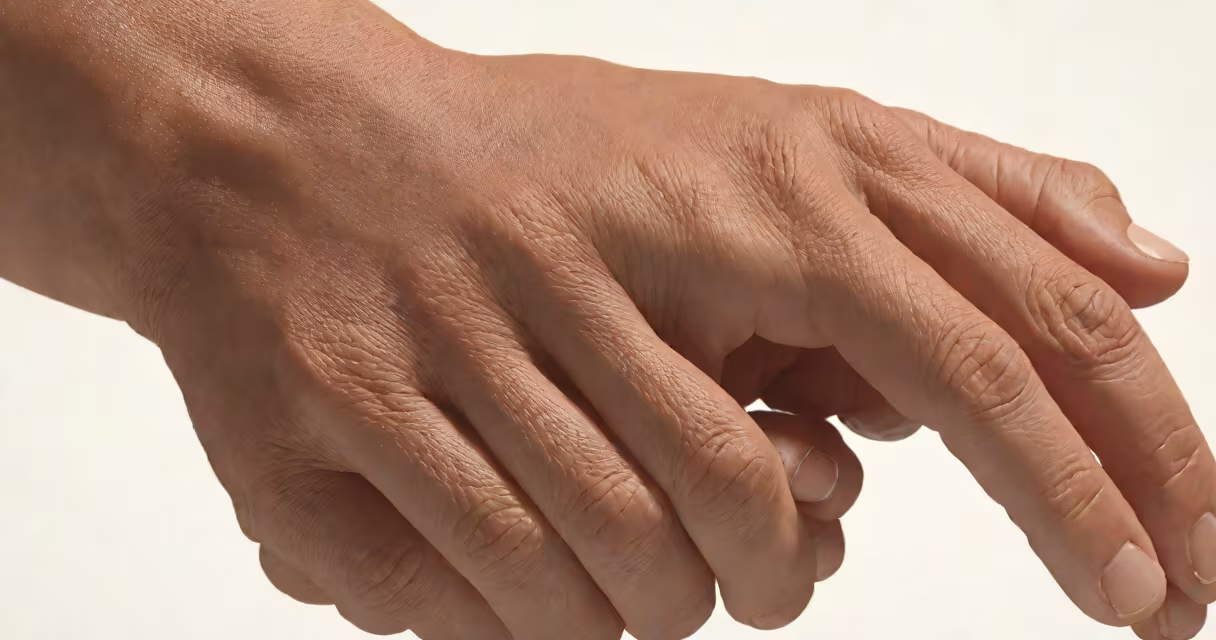
Muscle twitching in the arm results from spontaneous, localized contractions of muscle fibers triggered by misfiring nerves. These brief, involuntary movements appear as small, flickering motions under the skin and are usually harmless unless persistent or accompanied by weakness.
These twitches occur when motor neurons send erratic signals to muscle fibers, causing them to contract without conscious control. Most episodes last less than a few seconds and resolve on their own. They typically affect the forearm, bicep, or hand muscles and may feel like a tiny ripple or jump beneath the skin.
According to the Mayo Clinic, isolated muscle twitches are rarely signs of serious illness. However, they can signal underlying issues when they occur frequently, spread across multiple muscles, or coincide with numbness, tingling, or loss of strength. Identifying the root cause requires evaluating lifestyle factors, neurological health, and potential medical conditions.
Nerve cells in the spinal cord and brain send electrical impulses through peripheral nerves to skeletal muscles. When a nerve fires abnormally-without intentional command-it causes a single muscle fiber or group to contract briefly. This is a normal physiological event, but when it happens repeatedly in the same area, it manifests as visible twitching.
The process begins in the central nervous system. A neuron releases neurotransmitters like acetylcholine at the neuromuscular junction. If the signal is too weak or too strong, or if the muscle fiber's membrane becomes hyperexcitable, contraction occurs without voluntary intent. This can happen during fatigue, after intense activity, or due to imbalances in calcium, magnesium, or potassium levels.
A 2020 study published in *Neurology* found that up to 68% of people report occasional muscle twitches, most of which are benign and resolve within days. The study emphasized that isolated, brief twitches without other symptoms do not require treatment.
Most muscle twitching in the arm stems from non-pathological triggers. Common causes include:
When twitching persists beyond a week or spreads to other limbs, it may indicate a neurological condition. Conditions such as benign fasciculation syndrome involve frequent, painless twitches without muscle wasting. More serious causes include ALS (amyotrophic lateral sclerosis), though this presents with progressive weakness and atrophy-not isolated twitching.
| Trigger Type | Common Symptoms | Typical Duration | Medical Concern Level |
|---|---|---|---|
| Stress or fatigue | Twitching in forearm or hand; mild discomfort | Minutes to hours | Low |
| Electrolyte imbalance | Localized twitching; cramping | Hours to 1-2 days | Medium (correctable) |
| Benign fasciculation syndrome | Persistent twitching; no weakness | Weeks to months | Medium (requires evaluation) |
| ALS or neuropathy | Spreading twitching; muscle atrophy; weakness | Progressive | High (urgent referral) |
One non-obvious distinction: muscle twitches differ from cramps. Cramps involve sustained, painful contractions lasting seconds to minutes. Twitches are brief, painless, and often unnoticed until observed visually.
Arm twitching becomes concerning when it occurs alongside other neurological signs. These include:
I experienced this firsthand while working long shifts as a warehouse technician. After two weeks of daily forearm twitching, I noticed my grip strength declining. A neurologist diagnosed early-stage benign fasciculation syndrome after ruling out ALS via EMG testing. Treatment focused on reducing stress and correcting low magnesium levels.
According to the American Academy of Neurology, persistent twitching with weakness warrants electromyography (EMG) and nerve conduction studies. These tests measure electrical activity in muscles and nerves to detect abnormalities like nerve compression or degenerative disease.
If twitching is limited to one arm and occurs only during or after physical exertion, it may stem from nerve entrapment. For example, cubital tunnel syndrome compresses the ulnar nerve at the elbow, leading to twitching in the ring and little fingers. Symptoms worsen with repetitive elbow bending.
People often confuse muscle twitching with tremors, tics, or seizures. Twitching differs in duration, location, and control:
True muscle twitches are localized, brief, and cannot be consciously stopped. They do not affect movement or awareness.
Consult a healthcare provider if twitching lasts longer than two weeks, spreads to other limbs, or appears with:
Early diagnosis improves outcomes. A neurologist may order blood tests to check thyroid function, vitamin B12, and electrolytes. MRI scans assess spinal cord or brain structure if focal deficits exist.
Most cases of muscle twitching in the arm are temporary and harmless. But when symptoms persist or evolve, they signal a need for deeper evaluation. Understanding the difference between benign twitches and neurological red flags ensures timely care without unnecessary worry.