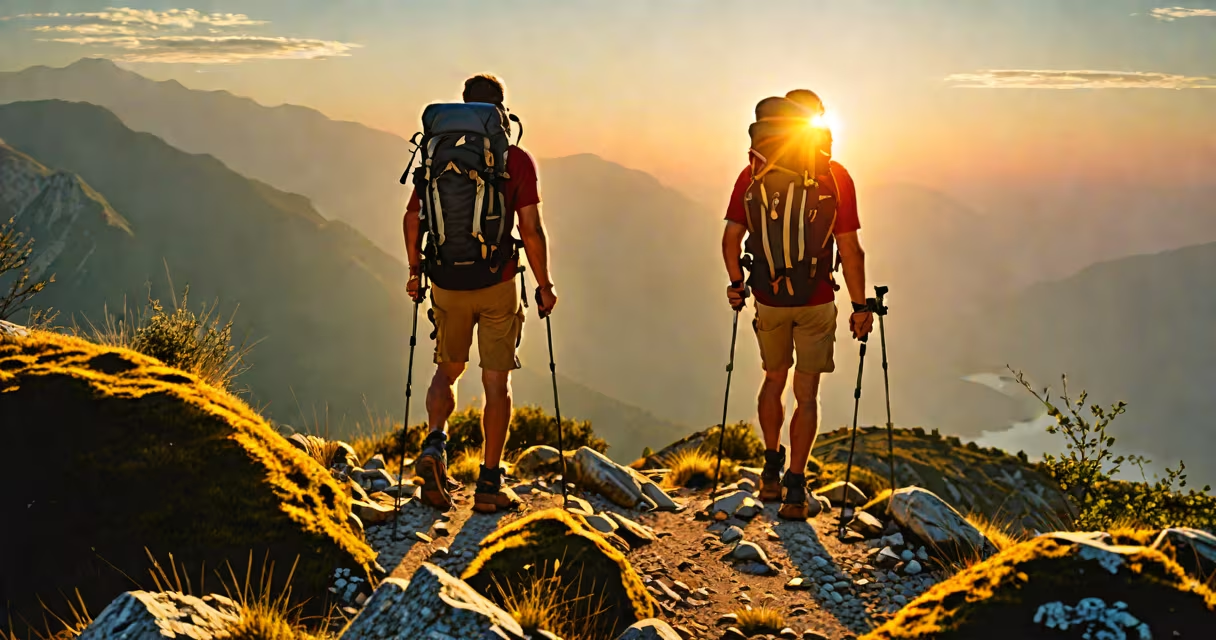
hiking this weekend means planning a day trip into natural terrain using marked or unmarked paths, typically lasting 2-6 hours, involving walking on uneven ground with elevation gain. It's a physical activity focused on exploring landscapes, often in forests, mountains, or parks, with minimal equipment beyond footwear, water, and navigation tools.
Most hiking this weekend involves selecting a route based on difficulty, distance, and weather. A beginner might choose a flat, well-maintained path like the Appalachian Trail's section near Harpers Ferry, Maryland, which spans 1.5 miles with minimal elevation change. An experienced hiker may opt for a 10-mile loop with 2,000 feet of ascent, such as the hike to the summit of Mount Monadnock in New Hampshire. Routes are chosen using maps, apps like Gaia GPS or AllTrails, or local park service websites.
Preparation includes checking trail conditions via official sources such as the National Park Service or state forestry departments. For example, in early May, the NPS reported that 68% of trails in Shenandoah National Park were accessible, while 32% had closures due to recent storms. Always carry a map, compass, or GPS device, even if using a smartphone app. Battery life degrades quickly in cold weather-smartphones lose 15-20% charge per hour in temperatures below freezing.
Hiking this weekend varies by terrain, duration, and purpose. The most common categories include day hikes, overnight backpacking trips, and guided group hikes.
| Type | Duration | Typical Distance | Equipment Needs | Example Location |
|---|---|---|---|---|
| Day hike | 2-6 hours | 2-10 miles | Water, snacks, map, first aid kit | Yosemite Valley, California |
| Overnight hike | 12+ hours | 10-20 miles | Backpack, tent, stove, extra layers | North Cascades, Washington |
| Guided hike | 3-5 hours | 3-8 miles | Provided by outfitter; minimal personal gear | Rocky Mountain National Park, Colorado |
Day hikes are the most common form of hiking this weekend. They require less preparation and are ideal for casual participants. Overnight hikes demand advanced planning, including reserving permits through systems like Recreation.gov. For example, in 2023, over 7,000 permits were issued for the High Sierra Trail in California, with applications opening 30 days in advance.
People engage in hiking this weekend for physical health, mental wellness, and connection to nature. Research from the University of Michigan shows that spending 20 minutes in green space reduces cortisol levels by 15%, a measurable stress marker. Hiking this weekend also improves cardiovascular fitness-walking at a moderate pace on inclines increases heart rate to 60-75% of maximum, meeting aerobic exercise guidelines set by the American Heart Association.
A 2022 study published in *Frontiers in Psychology* found that individuals who hiked twice weekly reported 30% higher mood stability compared to non-hikers. Participants noted improved sleep quality and reduced anxiety symptoms. These benefits occur regardless of trail difficulty, though longer routes correlate with stronger effects.
I once spent a Saturday hiking the Gorge Trail in the Great Smoky Mountains National Park. The 5.2-mile loop included a 1,200-foot climb and crossed two suspension bridges. I carried a 2-liter water bottle, a granola bar, and a laminated map. Despite clear skies, I encountered a sudden thunderstorm around mile 3. I stopped under a rock overhang until the rain passed. That experience taught me that weather changes rapidly in mountainous areas-even when forecasts show sun.
Many assume hiking this weekend requires expensive gear. This is false. A pair of durable hiking shoes ($60-$120), a lightweight backpack ($30-$60), and a reusable water bottle ($10-$20) cover 90% of basic needs. You don't need a $300 jacket unless hiking above 8,000 feet in winter.
Another misconception is that all trails are safe. In 2023, the U.S. Forest Service documented 149 injuries on public trails during weekends, including slips, falls, and wildlife encounters. Most occurred on unmarked or poorly maintained paths. Always verify trail status before departure. Use the U.S. Geological Survey's TopoZone database or the Forest Service's interactive map tool to confirm trail integrity.
Some confuse hiking this weekend with "trail running" or "mountain biking." While all involve off-road movement, hiking is defined by foot travel only. Trail runners wear lightweight shoes and carry minimal gear. Mountain bikers use bikes and helmets. Hiking this weekend is distinct in its focus on walking, endurance, and environmental observation.
Before leaving, verify:
Leave no trace: pack out all trash, stay on designated paths, and avoid disturbing wildlife. The Leave No Trace Center for Outdoor Ethics reports that 83% of trail users fail to properly dispose of waste, leading to habitat degradation.