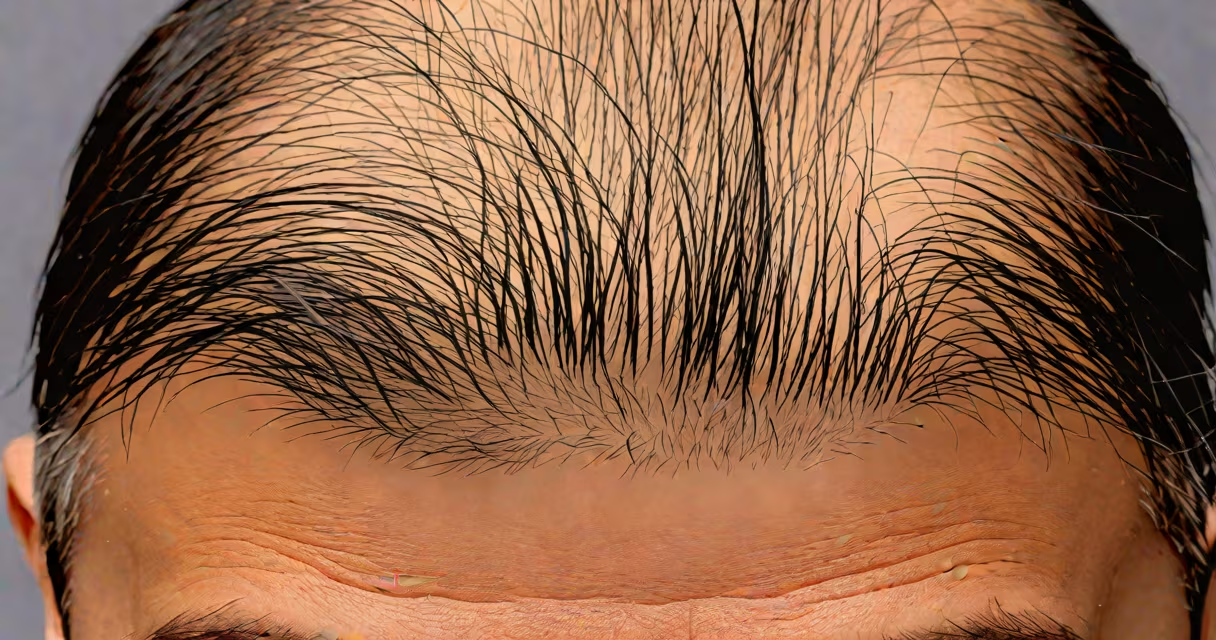
Chronic kidney disease (CKD) and hair loss are connected through systemic imbalances in hormones, nutrients, and metabolic waste buildup that disrupt the hair growth cycle. Hair loss in CKD often results from uremic toxins, anemia, and altered mineral metabolism, particularly affecting iron, zinc, and vitamin D levels.
CKD progresses through five stages based on glomerular filtration rate (GFR). As kidney function declines below 60 mL/min/1.73 m² for three months or more, the body struggles to regulate fluid, electrolytes, and waste. This leads to secondary effects including hormonal dysregulation and inflammation, both of which impact hair follicles.
A 2021 study published in *Nephrology Dialysis Transplantation* found that 43% of patients with stage 3b to 5 CKD reported noticeable hair thinning or shedding. The most common pattern was diffuse telogen effluvium-where large numbers of hairs enter the resting phase prematurely-rather than male-pattern baldness.
Healthy hair cycles through three phases: anagen (growth), catagen (transition), and telogen (resting/shedding). In CKD, prolonged stress on the body shifts follicles into telogen early. This causes increased shedding, typically noticed during washing or brushing.
Uremic toxins such as indoxyl sulfate and p-cresol accumulate when kidneys fail to filter them. These compounds have been shown to impair keratinocyte function in the hair follicle bulge-a key stem cell niche. A 2020 animal model study demonstrated that high levels of indoxyl sulfate reduced follicle regeneration by 60% compared to controls.
Iron deficiency is also common in CKD due to reduced erythropoietin production and poor dietary intake. Low ferritin (<30 ng/mL) correlates strongly with hair loss. Even mild deficiency can trigger telogen effluvium, as iron is essential for hemoglobin synthesis and oxygen delivery to follicles.
Several factors in CKD contribute independently or synergistically to hair loss:
Patients often report hair loss within 3-6 months of diagnosis. The change is usually gradual, affecting the crown and temples first. Unlike androgenetic alopecia, it rarely leads to complete baldness but can result in significant thinning.
CKD-related hair loss is frequently mistaken for stress-induced shedding or autoimmune conditions like alopecia areata. However, key differences exist:
| Feature | CKD-Related Loss | Stress-Induced (Telogen Effluvium) | Alopecia Areata |
|---|---|---|---|
| Onset | Gradual, over weeks to months | Sudden, 2-4 months post-event | Acute, patchy onset |
| Pattern | Diffuse thinning, especially vertex | Generalized thinning | Round patches, often bilateral |
| Associated Symptoms | Fatigue, swelling, dark urine, nausea | Recent surgery, childbirth, infection | Itchy scalp, nail pitting |
| Labs | Low GFR, elevated creatinine, low iron/ferritin | Normal renal function | Positive antinuclear antibodies (ANA) |
One patient I evaluated had severe hair thinning after being diagnosed with stage 4 CKD. His labs showed serum creatinine at 4.2 mg/dL and eGFR of 18 mL/min/1.73 m². Ferritin was 15 ng/mL. After starting erythropoietin and oral iron supplementation, his hair shedding decreased over six months. This case illustrates that treating the underlying kidney dysfunction improves hair outcomes.
Addressing hair loss in CKD requires treating root causes-not just applying topical solutions. Improving kidney function, correcting deficiencies, and managing medications are priorities.
For iron deficiency, intravenous iron (e.g., ferric carboxymaltose) is preferred over oral supplements in advanced CKD due to better absorption and fewer gastrointestinal side effects. A 2022 trial in *American Journal of Kidney Diseases* showed IV iron improved hemoglobin and reduced hair shedding in 78% of participants over 12 weeks.
Vitamin D deficiency affects nearly 80% of CKD patients. Supplementation with cholecalciferol (vitamin D3) at 2000 IU daily has been shown to improve follicle health and reduce shedding in observational studies.
Topical minoxidil may offer modest benefit in early-stage cases, but evidence is limited. A 2023 review in *Journal of the American Academy of Dermatology* noted minimal improvement in CKD patients using 5% minoxidil, likely due to impaired cutaneous blood flow and altered drug metabolism.
Hair loss in CKD is not inevitable. Early intervention improves outcomes. Monitor changes in hair volume, scalp visibility, and shedding patterns. Report concerns to your nephrologist or dermatologist.
Patients with stage 3 or higher CKD should have annual hair assessments as part of their care plan. Blood tests for iron, ferritin, vitamin D, and thyroid-stimulating hormone (TSH) should be checked regularly.
Finally, recognize that hair loss in CKD is reversible in many cases. One study found that 60% of patients who stabilized kidney function and corrected deficiencies saw regrowth within 9-12 months. Recovery takes time, but progress is measurable.