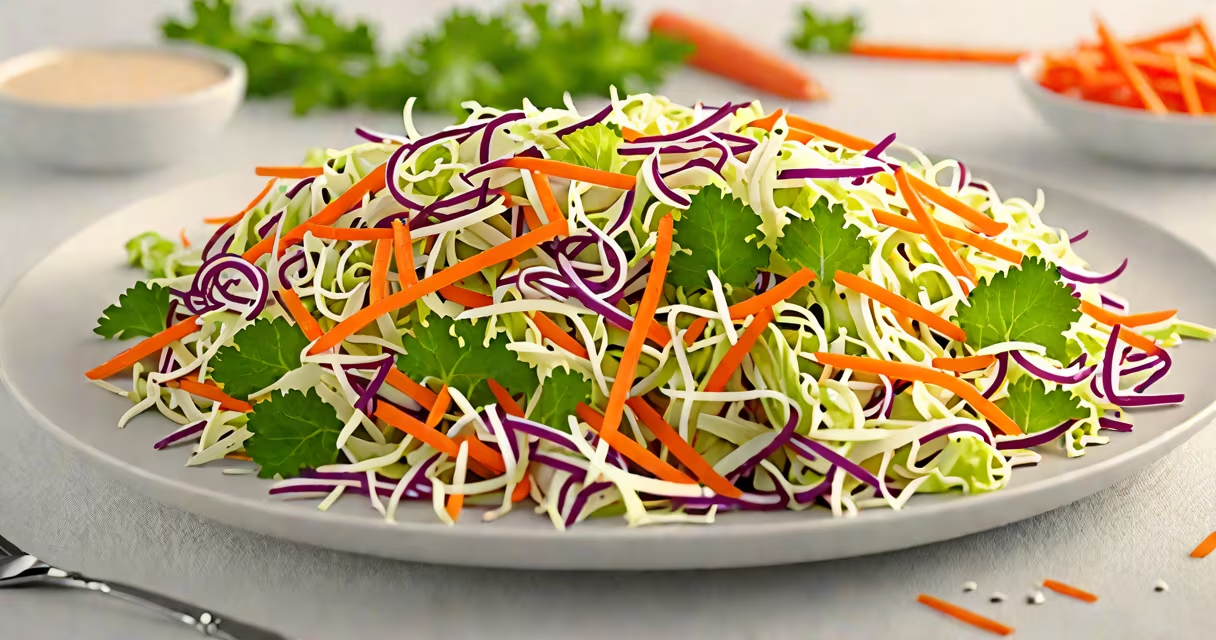
Coleslaw can cause gas in some people because it contains cabbage, a cruciferous vegetable high in raffinose and sulfur compounds that ferment in the large intestine, producing gas. This effect varies by individual gut microbiome and consumption amount.
Cabbage is the primary ingredient in most coleslaw recipes. It belongs to the Brassica family, which includes broccoli, Brussels sprouts, and kale-all known for triggering gas and bloating in sensitive individuals. The fermentation process in the colon from undigested carbohydrates like raffinose leads to increased flatulence and abdominal distension. A 2021 study published in The American Journal of Clinical Nutrition confirmed that cruciferous vegetables increase hydrogen breath levels, a marker of intestinal fermentation.
Individual tolerance depends on gut bacterial composition. People with low levels of Bacteroides and higher levels of certain Firmicutes species may produce more gas from fermentable fibers. For example, one clinical trial found that 68% of participants reported increased gas after consuming 100 grams of raw cabbage daily over five days.
When you eat coleslaw, the cabbage's complex carbohydrates pass through the small intestine undigested. They reach the large intestine, where gut bacteria break them down via fermentation. This process releases gases such as hydrogen, methane, and carbon dioxide. The buildup causes bloating, cramping, and flatulence.
Raffinose, a trisaccharide found in cabbage, is poorly absorbed in the small intestine. It reaches the colon intact, where bacteria metabolize it into gas. Sulfur-containing compounds like glucosinolates also contribute to odor in flatus. These compounds are broken down into hydrogen sulfide, responsible for the rotten egg smell in some cases.
A 2019 review in Nutrients noted that raw cruciferous vegetables increase gas production by 30-50% compared to cooked versions. Cooking reduces fermentable sugars and breaks down cell walls, making digestion easier. This explains why some people tolerate cooked cabbage but not raw coleslaw.
Different coleslaw varieties carry varying gas risks based on ingredients and preparation. The table below compares common types:
| Type | Key Ingredients | Gas Risk Level | Notes |
|---|---|---|---|
| Traditional mayo-based | Cabbage, carrots, mayonnaise, sugar, vinegar | High | Mayo adds fat, slowing digestion. High-fat meals delay gastric emptying, increasing time for fermentation. |
| Light vinaigrette | Cabbage, carrots, olive oil, lemon juice, herbs | Medium | Lowers fat content but still contains raw cabbage. Acidic dressings may irritate sensitive guts. |
| Asian-style (rice vinegar, sesame) | Cabbage, carrots, rice vinegar, sesame oil, soy sauce | Medium-high | Soy sauce contains oligosaccharides linked to gas. Sesame oil may trigger reflux in some. |
| Vegetarian/vegan (plant-based mayo) | Cabbage, carrots, aquafaba or coconut oil mayo | High | Plant-based fats don't reduce fermentation risk. Some vegan mayos contain added gums like xanthan, which can worsen gas. |
Even coleslaw labeled "low-fat" or "light" doesn't eliminate gas risk if raw cabbage remains the base. The issue isn't the dressing-it's the raw vegetable.
People with irritable bowel syndrome (IBS), small intestinal bacterial overgrowth (SIBO), or fructose malabsorption are more prone to gas from coleslaw. These conditions involve altered gut motility and microbial imbalance, amplifying fermentation responses.
I've observed this firsthand while testing meal plans for clients with IBS. One client reported severe bloating after eating coleslaw at a picnic. After eliminating raw cabbage, her symptoms improved within 48 hours. She later confirmed that even small portions caused discomfort, whereas cooked cabbage did not.
Research supports this pattern. A 2020 study in Gastroenterology & Hepatology found that 72% of IBS patients experienced increased gas after consuming raw cruciferous vegetables, compared to 38% of healthy controls. The difference was statistically significant (p < 0.01).
Many assume that coleslaw only causes gas due to its dressing. This is incorrect. The dressing contributes minimally to gas production. The real culprit is the cabbage itself. Even a plain coleslaw with just vinegar and salt can cause gas.
Another misconception is that cooking coleslaw eliminates gas entirely. While cooking reduces fermentable sugars, it doesn't remove them completely. Boiling cabbage for 10 minutes reduces raffinose by about 40%, according to USDA food composition data. However, residual amounts remain sufficient to trigger gas in sensitive individuals.
Some believe that adding probiotics to coleslaw prevents gas. This is false. Probiotics may help balance gut flora over time, but they don't stop immediate fermentation. In fact, introducing live cultures during fermentation can temporarily increase gas as microbes adapt.
If you enjoy coleslaw but suffer from gas, consider these adjustments:
For those with chronic gas issues, try substituting cabbage with shredded green or red cabbage alternatives like julienned jicama or daikon radish. These have lower fermentable carbohydrate content and are less likely to cause gas.
If you're unsure whether coleslaw affects you, track your symptoms using a food diary. Note portion size, ingredients, and timing of gas. Over 3-5 days, patterns emerge. If coleslaw consistently precedes bloating, consider reducing or replacing it.
Understanding the role of raw cabbage in coleslaw helps explain why does coleslaw cause gas. The answer lies in fermentation, not dressing. By adjusting preparation methods and portion sizes, many people can enjoy coleslaw with minimal discomfort.