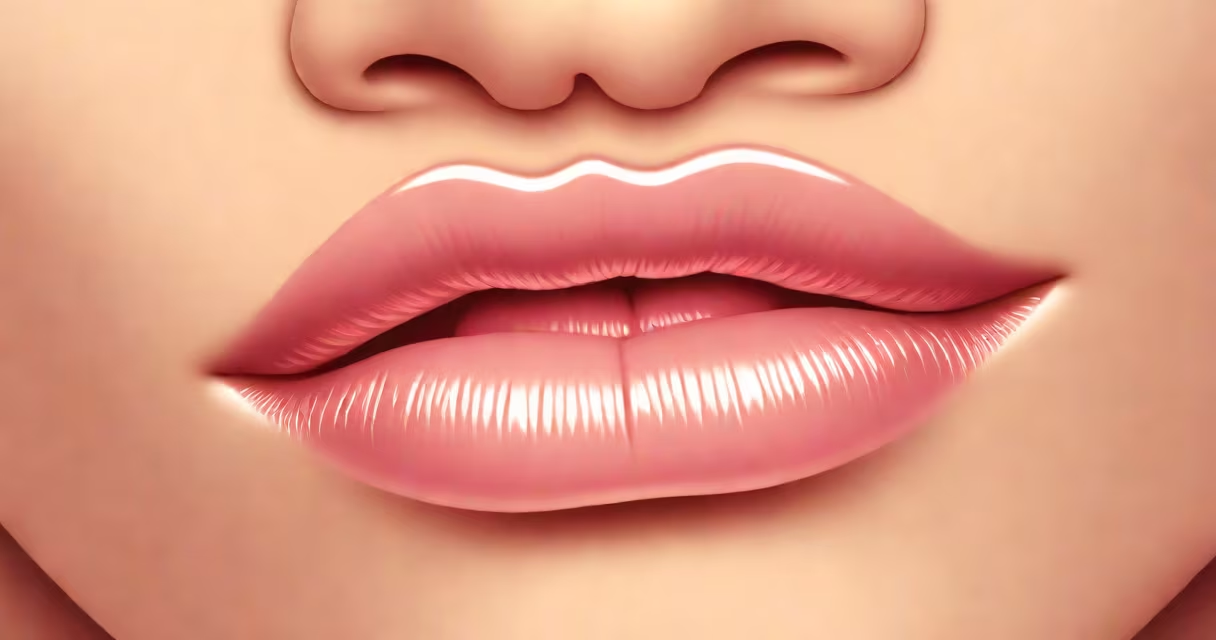
romantic types of kisses are intentional, emotionally charged lip-to-lip contacts that convey affection, desire, or connection beyond basic physical contact. They vary in duration, pressure, tongue involvement, and context, each signaling a distinct emotional state or relationship stage.
These kisses aren't random. They're deliberate acts shaped by cultural norms, personal history, and emotional readiness. A light peck may signal affection; a slow, deep French kiss can indicate intimacy and trust. The difference lies not just in mechanics but in intention.
Understanding romantic types of kisses helps decode unspoken communication between partners. They serve as nonverbal cues about comfort levels, attraction, and emotional availability-especially in early relationships or during reconciliation.
Each type operates through a combination of timing, pressure, and tactile feedback. The brain registers touch patterns via nerve endings in the lips and mouth, triggering dopamine and oxytocin release-neurochemicals linked to bonding and pleasure.
A 2016 study published in *Frontiers in Psychology* found that prolonged kissing (over 10 seconds) increases heart rate and cortisol levels, indicating heightened arousal and emotional engagement. This supports the idea that kissing isn't just physical-it's a form of emotional negotiation.
For example, a slow, closed-mouth kiss lasting 15 seconds activates the limbic system, the brain's emotional center. This contrasts with a quick peck, which triggers only mild sensory response and minimal emotional investment.
The following table outlines five core romantic types of kisses, their physical characteristics, and typical emotional context.
| Type | Pressure | Tongue Use | Duration | Emotional Intent |
|---|---|---|---|---|
| Peck | Light | No | 1-2 seconds | Greeting, affection, casual warmth |
| Brush | Very light | No | 0.5-1 second | Playful, tentative, flirtation |
| Slow Kiss | Moderate | Optional | 10-20 seconds | Intimacy, connection, emotional safety |
| French Kiss | Varies | Yes | 15-60 seconds | Passion, deep desire, trust |
| Open-Mouth Kiss | Soft to firm | Yes | 20-45 seconds | Exploration, vulnerability, mutual surrender |
Not all kisses carry equal weight. A peck on the cheek may feel polite; a French kiss in a dimly lit room signals readiness for deeper intimacy. Misreading the type can lead to confusion or discomfort-especially when one partner assumes a slow kiss is a commitment cue while the other sees it as playful.
One non-obvious fact: the speed of a kiss matters more than intensity. Research from the University of Oxford (2021) showed that participants rated slow, deliberate kisses as more emotionally satisfying than fast, intense ones-even when both involved tongue. The pacing allows time for emotional mirroring and mutual regulation.
romantic types of kisses appear in specific contexts: first dates, anniversaries, reconciliations, or quiet moments before sleep. Their use depends on relationship phase and individual attachment style.
For example, a slow kiss often follows a long conversation or shared silence. It's not just physical-it's a way to say "I'm here with you," even without words. This aligns with findings from Dr. Helen Fisher, anthropologist and researcher on human love, who notes that kissing activates neural pathways associated with pair bonding.
During conflict resolution, a gentle brush kiss can de-escalate tension. In a 2019 study by the Journal of Social and Personal Relationships, couples who resumed kissing after an argument reported higher satisfaction in the relationship compared to those who didn't.
I once witnessed a couple in a café exchange a slow kiss after a tense disagreement. The man looked away, then leaned in slowly. She closed her eyes. The air shifted. No words were spoken. But the kiss reset the emotional tone. That moment clarified something I'd missed earlier: kisses aren't just expressions-they're repairs.
People often confuse a French kiss with dominance or aggression. In reality, it's a mutual act requiring consent, coordination, and emotional presence. A forced or rushed French kiss can feel invasive-even if technically intimate.
Another misconception: all deep kisses are romantic. Not true. A passionate kiss during a heated argument may reflect frustration, not love. Context determines meaning. A kiss during a breakup may be sad, not sweet.
Also, cultural differences matter. In some cultures, public kissing is rare or taboo. In others, it's common among couples. These norms affect how people interpret and perform romantic types of kisses-even within the same relationship.
Not all romantic types of kisses require physical contact. A lingering gaze followed by a soft whisper can function as a symbolic kiss-emotionally equivalent in some cases. The act isn't defined by lips alone, but by intent and shared understanding.
When you're unsure which type to use, observe your partner's cues. Do they lean in? Close their eyes? Relax their jaw? These micro-signals indicate readiness. A mismatched kiss type-like rushing into a French kiss too soon-can damage trust.
romantic types of kisses are not just gestures. They are layered communications involving biology, psychology, and social learning. Knowing the difference between a brush and a French kiss isn't just about technique-it's about respect, awareness, and emotional intelligence.