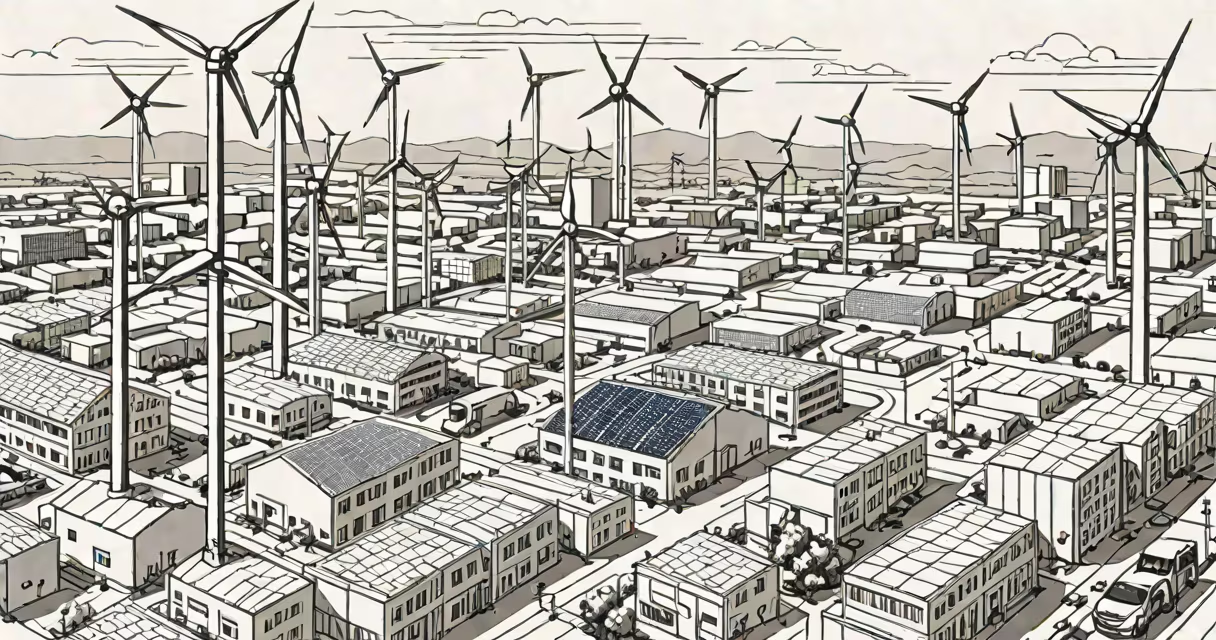
clean energy inloggen describes the process of connecting renewable electricity sources-such as solar, wind, and hydropower-to existing electrical grids. This integration enables consistent delivery of low-emission power to homes, businesses, and industries without relying on fossil fuels.
The term "inloggen" is Dutch for "plugging in" or "connecting." In global English usage, this concept is known as grid integration or renewable energy deployment. It involves technical upgrades, policy coordination, and infrastructure investment to manage variable generation from sources like solar panels and wind farms.
For example, Germany's Energiewende program expanded solar capacity from 1 gigawatt in 2000 to over 60 gigawatts by 2023. This required modernizing transmission lines and deploying smart inverters to stabilize voltage during fluctuating sunlight. Without proper inloggen, excess solar power can overload local grids or cause blackouts.
When solar panels generate electricity, the direct current (DC) they produce must be converted to alternating current (AC) via inverters before entering the grid. This conversion happens at distribution substations near solar installations. Once synchronized with grid frequency and voltage standards, the power flows through high-voltage transmission lines.
Grid operators use real-time monitoring systems to balance supply and demand. During peak sun hours, surplus solar energy may be stored in batteries or redirected to industrial users. At night, or during calm weather, backup sources-like hydroelectric dams or natural gas plants-step in to maintain stability.
A 2022 report by the International Renewable Energy Agency (IRENA) found that countries with over 30% renewable penetration require advanced forecasting tools and automated dispatch systems. These technologies reduce curtailment-the intentional shutdown of renewable output due to grid congestion-and improve reliability.
Effective clean energy inloggen depends on several interdependent systems:
For instance, California's Independent System Operator (CAISO) uses machine learning models to forecast solar production within 90% accuracy. This allows operators to schedule backup resources in advance, reducing reliance on fossil-fueled peaker plants.
Many assume that installing solar panels automatically means clean energy inloggen is complete. That's incorrect. A rooftop solar system may generate power locally but fail to feed excess electricity into the grid without a net metering agreement and grid connection approval.
Another misconception is that all renewable sources integrate equally well. Wind and solar have intermittent output, while geothermal and large-scale hydropower provide baseload power. According to the U.S. Department of Energy, solar and wind together accounted for 12% of U.S. electricity in 2023-up from 3% in 2010-but their variability requires more grid flexibility than steady sources.
Clean energy inloggen does not equate to carbon neutrality. Even if solar panels are installed, the grid may still draw from coal plants during low-generation periods unless storage or interregional transmission is available.
In Denmark, over 50% of electricity came from wind in 2023. The country achieved this through coordinated inloggen across regional grids and cross-border interconnectors with Sweden and Germany. On windy days, surplus power was exported; on calm days, imports maintained supply.
A detailed case study from the European Network of Transmission System Operators for Electricity (ENTSO-E) shows that between 2015 and 2022, EU nations reduced curtailment rates from 14% to 5% by upgrading grid infrastructure and enabling real-time trading of renewable energy.
Consider a hypothetical 10-megawatt solar farm in Arizona. To achieve successful clean energy inloggen:
Once operational, the facility delivers 15,000 MWh annually-enough to power 1,500 homes. The entire process takes 18 months from planning to inloggen, according to the National Renewable Energy Laboratory (NREL).
Urban areas face unique challenges due to space constraints and high demand. Cities like Amsterdam and Singapore use microgrids-localized networks powered by solar and storage-to reduce strain on central grids. These systems can disconnect during outages and operate independently.
Industrial zones benefit from dedicated clean energy inloggen projects. In Texas, a semiconductor plant signed a PPA with a nearby wind farm. The plant receives 100% renewable power, reducing its Scope 2 emissions by 85% compared to baseline operations.
Remote communities often rely on diesel generators. In Alaska, the village of Toksook Bay replaced its diesel plant with a hybrid system combining wind turbines, solar arrays, and a 200-kWh battery bank. After inloggen, diesel use dropped from 100,000 gallons annually to under 20,000.
clean energy inloggen differs from related terms:
| Term | Meaning | Key difference |
|---|---|---|
| Renewable energy adoption | Percentage of total energy from renewables | Measures output share; doesn't confirm grid compatibility |
| Grid decarbonization | Reduction of fossil fuel use in electricity mix | Focuses on emissions; may include nuclear or bioenergy |
| Energy independence | Nation's ability to meet demand internally | Broader goal; doesn't require clean energy inloggen |
For example, a country could generate 40% of its electricity from solar but still import coal-based power during winter. That's renewable adoption without full clean energy inloggen.
I once observed a solar project in rural Kenya where panels were installed but never connected to the national grid. The community used batteries for lighting, but excess daytime power went unused. The issue wasn't technology-it was lack of formal inloggen procedures and regulatory access.
Hydrogen-powered grid balancing is emerging as a solution for long-duration storage. Pilot projects in Germany and Japan test hydrogen electrolysis using surplus solar power. When demand rises, hydrogen is converted back to electricity via fuel cells.
AI-driven grid optimization is also advancing. Google's DeepMind partnered with UK's National Grid to reduce forecasting errors by 30%. These systems analyze weather patterns, historical loads, and satellite imagery to anticipate renewable output shifts.
By 2030, IRENA estimates that 60% of global electricity must come from renewables to meet climate targets. Achieving this requires widespread clean energy inloggen-not just installation, but smooth, reliable integration into existing systems.
Understanding clean energy inloggen is essential for policymakers, engineers, and consumers alike. It's not enough to build solar farms; they must be properly connected and managed to deliver clean, stable power.
clean energy inloggen is the foundation of a sustainable power future. It combines engineering precision, regulatory clarity, and technological innovation to move beyond fossil dependency.