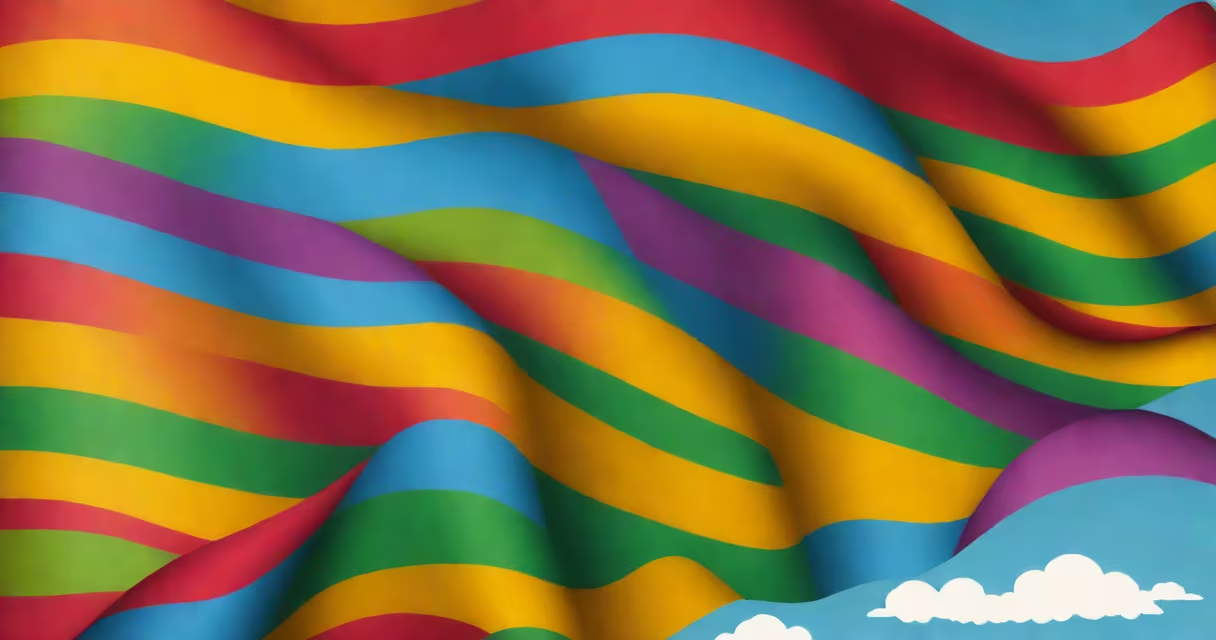
The colors of the pride flag meaning originate from the original rainbow flag designed in 1978 by activist Gilbert Baker. Each color represents a core value or aspect of LGBTQ+ identity: red for life, orange for healing, yellow for sunlight, green for nature, blue for harmony, and purple for spirit. The flag remains a global symbol of visibility, resistance, and joy.
Baker created the flag during the height of the gay rights movement in San Francisco. He selected six colors to reflect both the diversity within the community and the ideals of unity and hope. The choice was deliberate-each hue carried symbolic weight tied to human experience and social justice. The flag's debut occurred at the 1978 San Francisco Gay Freedom Parade, where it became an instant emblem of pride and political expression.
While the original six-color version is still used in many contexts, some communities have adopted modified versions to reflect greater inclusivity. For example, the addition of black and brown stripes in the Progress Pride Flag acknowledges the contributions and struggles of LGBTQ+ people of color. These adaptations show how the flag continues to evolve alongside the movement it represents.
Gilbert Baker chose the specific hues based on their emotional resonance and cultural associations. Red, representing life, was selected because it evokes vitality and the energy of survival. Orange, for healing, reflects the process of recovery from trauma and societal rejection. Yellow, symbolizing sunlight, brings warmth and optimism, reminding wearers of daily hope.
Green stands for nature, emphasizing connection to the earth and organic growth. Blue signifies harmony, reflecting balance and peace. Purple, the final color, denotes spirit-both personal and collective. These meanings were not arbitrary; they emerged from conversations with members of the LGBTQ+ community who shared what values mattered most during the fight for civil rights.
A lesser-known fact is that Baker initially proposed eight colors. The original palette included pink for sex, turquoise for art, and indigo for serenity. However, due to fabric availability and production costs, the design was simplified to six colors. This decision shaped the flag's enduring form and ensured mass accessibility during its early years.
Many assume the rainbow flag represents all LGBTQ+ identities equally. While it is widely recognized as a universal symbol, it does not fully capture the experiences of transgender individuals, non-binary people, or those outside Western gender norms. The flag's roots lie in gay male liberation, and its visual language was developed primarily for that context.
Another common error is equating the rainbow flag with "rainbow capitalism." Critics argue that commercial brands co-opt the flag for profit without supporting LGBTQ+ rights. However, the flag's continued presence in protests, marches, and grassroots campaigns proves its ongoing relevance beyond marketing. Its power lies in consistent use by activists and allies alike.
Some confuse the rainbow flag with other LGBTQ+ symbols. For instance, the trans flag features light blue, pink, and white stripes-colors chosen to represent traditional gender associations. The pansexual flag uses pink, yellow, and blue to signify attraction to all genders. These flags serve distinct purposes and should not be conflated with the rainbow flag.
Over time, new pride flags have emerged to reflect growing awareness of intersectionality and identity complexity. Below is a comparison of major variants:
| Flag Type | Colors and Order | Meaning and Purpose |
|---|---|---|
| Rainbow (Original) | Red, orange, yellow, green, blue, purple | Universal LGBTQ+ identity; symbolizes diversity and resilience since 1978. |
| Progress Pride | Red, orange, yellow, green, blue, purple, black, brown | Adds black and brown stripes to honor LGBTQ+ people of color; includes a chevron for inclusion. |
| Trans Flag | Light blue, pink, white (center), white (edges) | Blue for boys, pink for girls, white for those who are non-binary or transitioning. |
| Non-Binary Flag | Yellow, white, purple, black | Yellow for those whose gender exists outside the binary, white for all genders, purple for those who identify with multiple or all genders. |
Each variant builds on the legacy of the original rainbow flag while expanding representation. The Progress Pride Flag, for example, incorporates elements from the original design but adds new layers of meaning through added colors and a central arrow pointing upward-a symbol of progress and forward motion.
In 2018, the city of Portland, Oregon, installed a permanent rainbow flag installation at City Hall. The structure features all six original colors arranged vertically along a steel frame. According to city records, the display was intended to affirm the city's commitment to LGBTQ+ rights and visibility. The project received support from local activists and was cited in a 2020 report by the Human Rights Campaign as a model for public recognition of queer identity.
During the 2022 World Pride events in Madrid, organizers used a large-scale version of the Progress Pride Flag. The flag measured 60 meters wide and was displayed across the Puerta del Sol. The event drew over 100,000 attendees, with participants wearing clothing featuring the flag's colors. This demonstrated how the flag functions not just as a symbol, but as a tool for mobilization and collective identity.
I once attended a pride parade in Minneapolis where a group of elders marched holding handmade versions of the original six-color flag. They explained that they had sewn them in 1978 and kept them in storage until the 2023 parade. Their story illustrated how deeply personal and historical the flag's colors have become-not just as visual markers, but as living artifacts of struggle and survival.
One frequent mistake is assuming that the rainbow flag represents only sexual orientation. The flag's meaning extends to gender identity, expression, and lived experience. The original design was meant to encompass all forms of queer existence, not just gay men. As Baker stated in a 2016 interview with NPR, "It's not just about sex-it's about being seen, being whole, being free."
Another error is using the flag in contexts that erase its political origins. The rainbow flag was born out of protest and advocacy. It was flown at demonstrations demanding healthcare access, anti-discrimination laws, and protection from violence. Using it solely for aesthetic purposes-such as on fashion accessories without context-can dilute its message. The flag's power lies in its dual role: as art and as activism.
The colors of the pride flag meaning continue to evolve. They remain rooted in history yet adaptable to new generations. Whether displayed on a window, worn on a shirt, or painted on a wall, the flag's colors carry weight-each one a thread in a larger narrative of belonging, resistance, and joy.