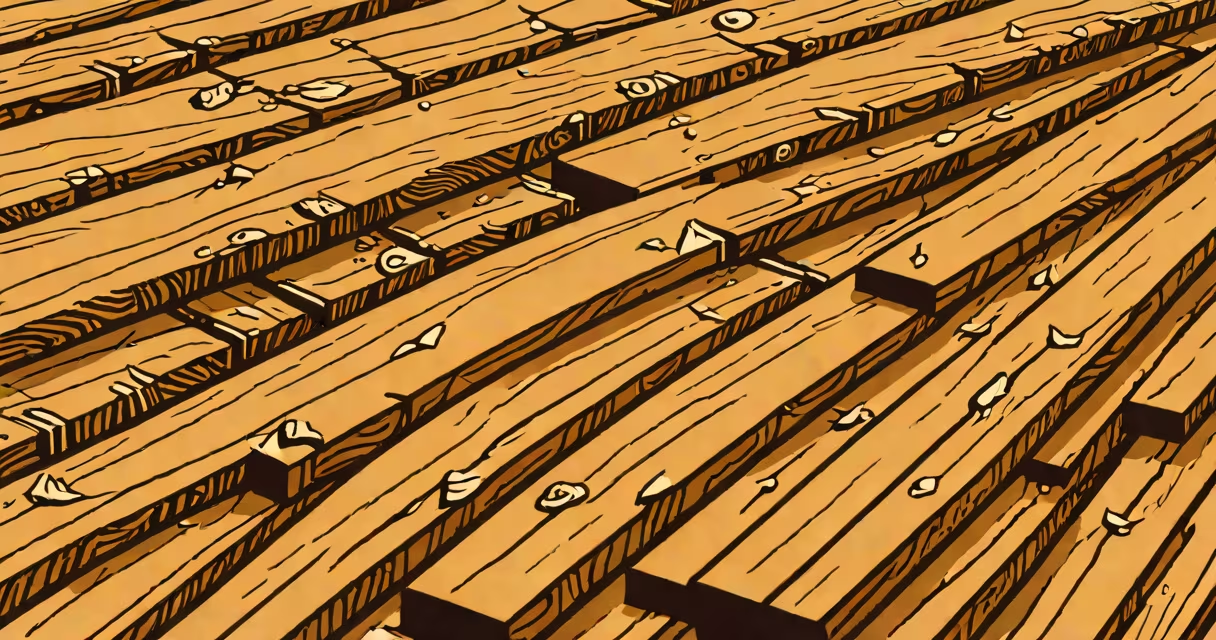
crafting with recycled wood involves transforming discarded timber-such as old pallets, barn beams, or demolition debris-into new functional or decorative items. This practice reduces waste, conserves resources, and produces unique pieces with character. The process begins with sourcing salvaged wood and ends with a finished product shaped by hand or tool.
Salvaged wood comes from buildings, fences, shipping crates, or construction sites. It's often weathered, warped, or stained, but those features add visual interest. Before use, wood must be cleaned, dried, and inspected for nails, rot, or pests. The most common tools include a pry bar, hammer, drill, sander, and saw. Safety gear-gloves, goggles, and a dust mask-is essential during sanding and cutting.
Reclaimed wood varies in quality. Some pieces have deep grain patterns from decades of growth; others show signs of fire, water damage, or insect infestation. A single piece may contain multiple species, especially if sourced from mixed construction waste. According to the U.S. Environmental Protection Agency, recycling one ton of wood prevents 1,000 pounds of CO₂ emissions compared to landfill disposal. This makes crafting with recycled wood both environmentally responsible and creatively rewarding.
The workflow begins with site scouting. Abandoned warehouses, demolition sites, or local salvage yards offer free or low-cost materials. Always ask permission before removing wood from private property. Once collected, sort by species, moisture level, and condition. Wet or green wood warps as it dries; air-drying takes 6-12 months per inch of thickness. Kiln-drying speeds this process but requires equipment.
After drying, remove fasteners with a claw hammer or reciprocating saw. Sand with 80- to 120-grit paper to eliminate splinters and surface grime. For deeper cleaning, use a wire brush or power washer (followed by drying). Staining or sealing preserves color and protects against moisture. A clear polyurethane finish adds durability for tabletops or shelves.
Designs range from simple coasters to complex tables. A typical project includes measuring, marking, cutting, joining, and finishing. Joinery methods like pocket holes, mortise-and-tenon, or dowels ensure stability. For beginners, pre-drilled templates or jigs reduce error. The final step is inspection: check for sharp edges, uneven surfaces, or loose joints.
Not all reclaimed wood is equal. The following table outlines common sources, their traits, and recommended applications:
| Source | Common Species | Key Traits | Best For |
|---|---|---|---|
| Pallets | Softwood (pine, spruce) | Lightweight, prone to splitting, often treated with chemicals | Small décor, planters, wall art |
| Barn beams | Hardwood (oak, maple) | Dense, rich grain, high moisture retention | Tables, flooring, mantels |
| Demolition debris | Mixed hardwoods and softwoods | Variable quality, potential for hidden damage | Art installations, shelving |
| Old furniture | Various (often walnut, cherry) | High-end finishes, complex joinery | Repurposed cabinets, display cases |
Some woods carry risks. Pallets labeled "HT" (heat-treated) are safe; those marked "MB" (methyl bromide) are toxic and should be avoided. The U.S. Department of Agriculture advises testing for chemical residues if using wood from industrial sources. Always wear gloves when handling unknown material.
crafting with recycled wood serves both practical and artistic purposes. In homes, it creates custom furniture with history-each knot or scar tells a story. In public spaces, reclaimed wood adds warmth to offices, cafes, and schools. A 2022 study by the National Institute of Standards and Technology found that reclaimed wood structures had 18% lower embodied energy than new lumber equivalents.
Artists use it for sculptures, frames, and installations. One notable example is the "Tree of Life" sculpture at the Portland Art Museum, built entirely from salvaged Douglas fir removed during city redevelopment. The piece weighs 1,200 pounds and spans 15 feet across.
Commercial makers also rely on recycled wood. A Brooklyn-based company called ReWood Studio produces modular shelving units from reclaimed warehouse timbers. Each unit sells for $295 and includes a QR code linking to the wood's origin story-its provenance, weight, and carbon savings.
Many assume all reclaimed wood is automatically sustainable. That's false. Sourcing from illegal logging operations or endangered forests undermines environmental goals. The Forest Stewardship Council (FSC) certifies ethical wood sources, but FSC does not track reclaimed material. Always verify origin and avoid wood from protected ecosystems.
Another myth: "reclaimed wood is stronger than new." Not necessarily. Old wood loses structural integrity over time. A 2019 report from the University of Washington showed that 40% of reclaimed pine beams failed under standard load tests due to fungal decay. Always test for strength before load-bearing use.
A lesser-known fact: reclaimed wood often contains embedded metals. Nails, screws, and staples can damage saw blades or cause kickback. Using a metal detector before cutting reduces risk. One DIYer lost a finger when a nail struck a circular saw blade-a preventable injury documented by the Consumer Product Safety Commission.
Step-by-step example using 120 lbs of salvaged oak from a demolished barn (approx. 12 feet long).
The finished table weighs 85 pounds, measures 36" x 24" x 18", and cost $12 in materials. It now sits in a living room, receiving daily use. The owner reports no warping or cracking after 18 months.
When I built my first reclaimed table, I underestimated drying time. The top cracked within weeks. After researching, I learned that kiln-dried wood must acclimate for at least one month per inch of thickness. Now I plan projects around seasonal drying cycles.