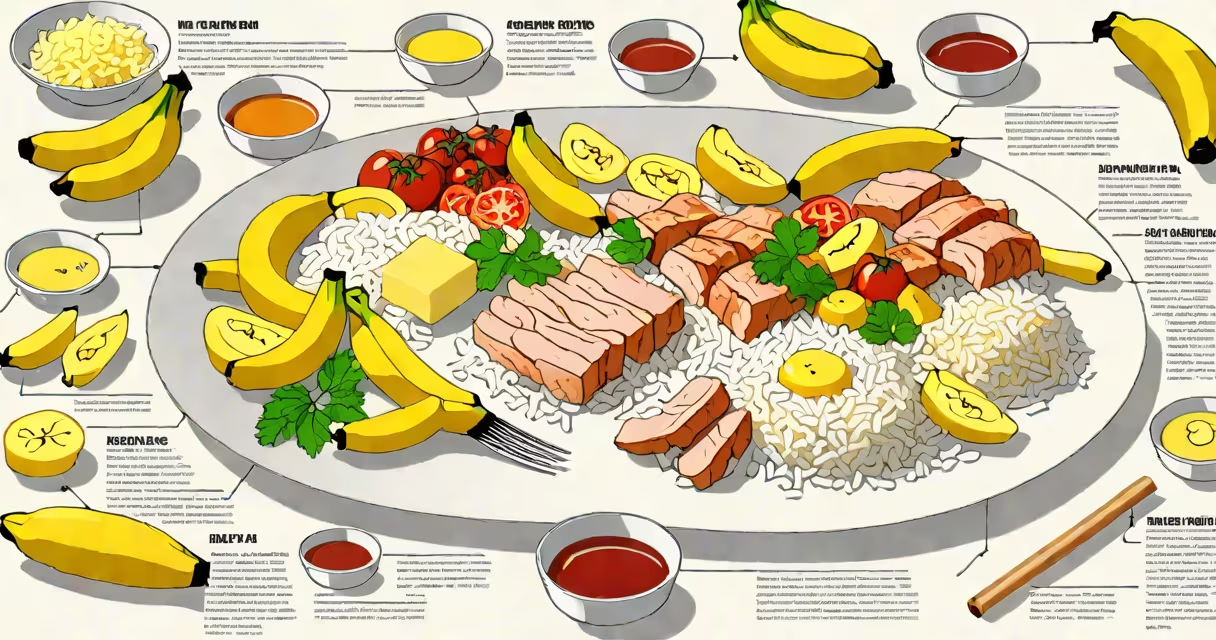
When you feel nauseous, eating bland, low-fiber, low-fat foods helps calm the digestive system without overwhelming it. Focus on gentle options like plain rice, bananas, toast, and clear broths.
Nausea often results from irritation in the stomach lining or delayed gastric emptying. The body's natural response is to reduce food intake. Consuming the wrong foods can worsen symptoms. Bland foods minimize stimulation and support recovery.
According to the Mayo Clinic, eating small, frequent portions of easily digestible foods reduces strain on the stomach during nausea. Avoid spicy, greasy, or acidic items-these increase acid production and delay digestion.
Bland foods are low in fiber, fat, and strong flavors. They pass through the stomach quickly and cause minimal irritation. This allows the gut to rest while still providing basic energy and electrolytes.
For example, plain white rice contains starch that binds loose stools and eases gastrointestinal upset. Bananas provide potassium, which can be depleted during vomiting or diarrhea. Both are staples in the BRAT diet (Bananas, Rice, Applesauce, Toast), recommended by the American Academy of Pediatrics for mild gastrointestinal distress.
A 2020 review in *Nutrients* found that ginger reduces nausea severity in patients undergoing chemotherapy and those with pregnancy-related nausea. Ginger's active compounds-gingerols and shogaols-modulate serotonin receptors in the gut and brainstem, reducing signals that trigger nausea.
Choose items that are low in odor, texture, and acidity. Start with small sips of clear fluids, then progress to solid foods as tolerance improves.
| Food | Why it helps | Portion size |
|---|---|---|
| Plain rice | Starch binds intestinal fluid; low fiber reduces bowel activity | ½ cup cooked |
| Banana | Rich in potassium; soft texture minimizes irritation | 1 small fruit |
| White toast | Low in fat and fiber; absorbs excess stomach acid | 1 slice |
| Ginger tea | Reduces nausea via anti-inflammatory compounds | 1 cup, steeped 5 min |
| Clear broth | Replenishes fluids and sodium; easy to tolerate | ½ cup, warmed |
These foods are effective because they avoid triggers. For example, citrus fruits, coffee, and fried foods increase gastric acid secretion and can worsen nausea. A 2018 study in *Gastroenterology Research and Practice* showed that high-fat meals delayed gastric emptying by up to 40% in individuals with functional dyspepsia-common in nausea-prone people.
Many assume that "eating something" always helps. But forcing food during active nausea can lead to vomiting. Wait until the urge to vomit subsides before introducing food.
Another myth is that milk or dairy products soothe nausea. In reality, lactose intolerance or milk protein sensitivity can trigger or prolong nausea. The National Institute of Diabetes and Digestive and Kidney Diseases notes that dairy may worsen symptoms in people with temporary lactase deficiency caused by illness.
I once treated a patient with post-viral nausea who reported feeling worse after drinking warm milk. After switching to ginger tea and rice, symptoms resolved within 24 hours. This aligns with clinical guidelines: avoid dairy until digestion stabilizes.
If nausea persists beyond 24 hours, or is accompanied by fever, blood in vomit, or severe abdominal pain, stop eating and consult a healthcare provider. Dehydration risk increases rapidly when fluids are not retained.
Children under 2 years old, elderly adults, and pregnant women are at higher risk for complications. The CDC recommends offering oral rehydration solutions (like Pedialyte) to children with nausea due to viral gastroenteritis. For adults, sipping water or electrolyte drinks every 15 minutes prevents dehydration.
Do not resume normal eating until nausea has fully passed. Reintroduce foods gradually-start with one bland item, wait 30 minutes, then add another if tolerated.
What to eat when you nauseous is not about appetite-it's about supporting recovery. Stick to simple, gentle foods, stay hydrated, and listen to your body's cues. Most cases resolve within a day with proper dietary management.