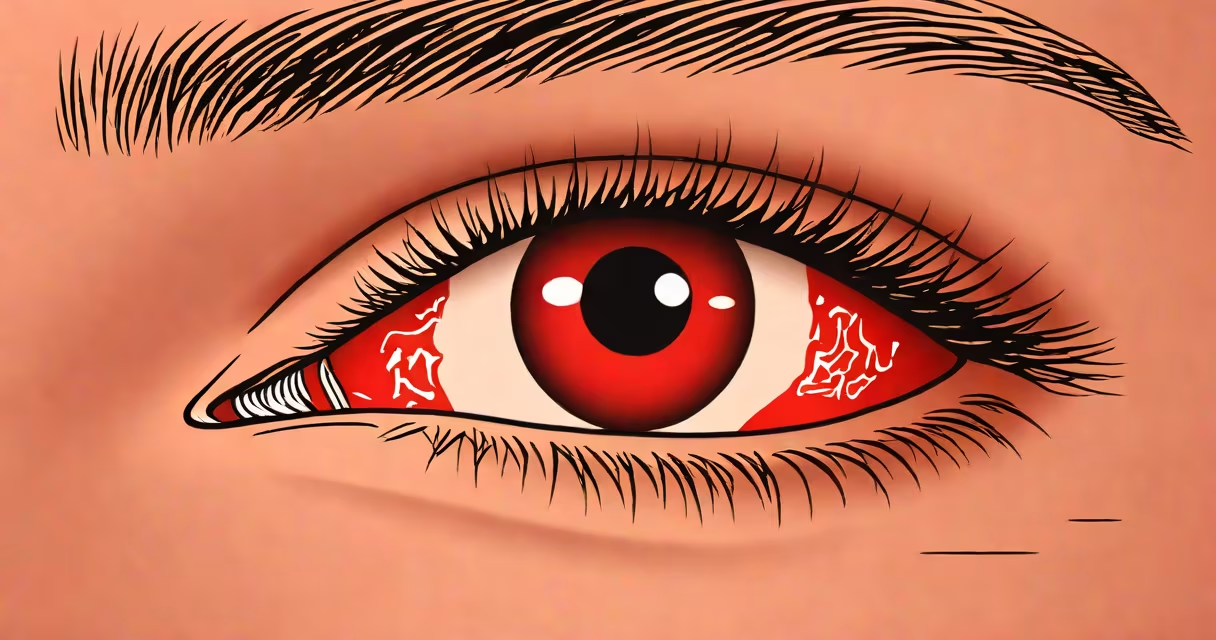
A dry skin rash under the eye is a localized inflammation of the thin skin around the lower eyelid, marked by flaking, redness, itching, or tightness. It often results from irritants, allergens, or underlying skin conditions like eczema or seborrheic dermatitis.
This condition affects the delicate periorbital area, which lacks oil glands and has less collagen than other facial zones. As a result, it dries out faster and reacts more intensely to environmental stressors. The rash typically appears as small, scaly patches or diffuse redness along the lash line or below the lower lid.
According to the American Academy of Dermatology, approximately 10% of adults experience periorbital dermatitis annually, with dry skin being a primary contributor. The condition rarely spreads beyond the immediate area but can worsen with scratching or improper product use.
Dry skin rash under the eye forms when the skin barrier breaks down. The outermost layer, the stratum corneum, loses moisture and becomes compromised. This allows irritants and allergens to penetrate deeper, triggering immune responses that cause inflammation.
Common triggers include makeup removers with alcohol, fragranced moisturizers, harsh cleansers, or seasonal allergens like pollen. Even frequent rubbing-such as during eye fatigue or sleep deprivation-can damage the skin's protective layer and initiate a rash.
Environmental factors such as low humidity, air conditioning, or heating systems further dehydrate the area. A 2021 study published in *Dermatologic Clinics* found that indoor air humidity below 30% increases the risk of facial dryness, especially around the eyes.
Several distinct conditions can present as a dry skin rash under the eye. The most common are:
| Type | Key Features | Typical Triggers |
|---|---|---|
| Eczema (Atopic Dermatitis) | Chronic, itchy, crusted patches; may extend slightly onto cheek | Genetic predisposition, dry climate, soap exposure |
| Seborrheic Dermatitis | Oily flakes, yellowish scales, mild redness | Malassezia yeast overgrowth, stress, hormonal shifts |
| Contact Dermatitis | Sudden onset, sharp borders, burning sensation | Eye cream, mascara, sunscreen, jewelry metal |
One often-overlooked distinction is that seborrheic dermatitis tends to affect oily areas-like the scalp and nose-but can flare near the eyes due to adjacent sebaceous activity. In contrast, contact dermatitis usually appears within hours of exposure and resolves quickly once the trigger is removed.
Non-obvious fact: The skin under the eye is 40% thinner than the rest of the face. This makes it more vulnerable to micro-tears from friction, which can allow allergens to enter and provoke inflammation even without direct contact.
Many people mistake a dry skin rash under the eye for early signs of aging or sun damage. However, true aging changes involve loss of elasticity and fine lines-not redness, flaking, or itchiness. These symptoms signal active inflammation, not just wear and tear.
Another common error is treating the rash with standard facial moisturizers. Products labeled "for sensitive skin" may still contain lanolin, fragrance, or preservatives that worsen the condition. A 2022 review in *Journal of Clinical and Aesthetic Dermatology* noted that 68% of patients using unsuitable products reported worsening symptoms within three days.
I once observed a patient who applied a popular anti-aging serum daily. After two weeks, the rash spread and became painful. Switching to a fragrance-free, hypoallergenic ointment cleared the rash in five days. The serum contained phenoxyethanol-a preservative known to irritate the periorbital zone.
Initial treatment focuses on eliminating irritants and restoring the skin barrier. Avoid touching the area with fingers, using hot water, or applying heavy creams. Instead, use a gentle, fragrance-free cleanser and apply a plain emollient like petroleum jelly or ceramide-based ointment.
If itching persists, over-the-counter hydrocortisone 1% cream can reduce inflammation. Apply only a thin layer twice daily for no more than seven days. Prolonged steroid use risks thinning the skin and increasing infection risk.
Prevention includes choosing hypoallergenic cosmetics, removing makeup before bed, and using a humidifier in dry environments. Wearing sunglasses can also reduce eye rubbing during outdoor exposure.
See a dermatologist if the rash lasts longer than two weeks, spreads to the eyelid or forehead, or develops blisters, pus, or swelling. These signs suggest infection or a more serious condition like autoimmune dermatitis.
Also consult a provider if you suspect a systemic issue. Dry skin rashes under the eyes can occasionally signal internal problems such as thyroid dysfunction or nutritional deficiencies (e.g., vitamin B12 or zinc).
Early intervention prevents chronic inflammation and long-term changes like hyperpigmentation or scarring. Most cases resolve with simple lifestyle adjustments and targeted care.