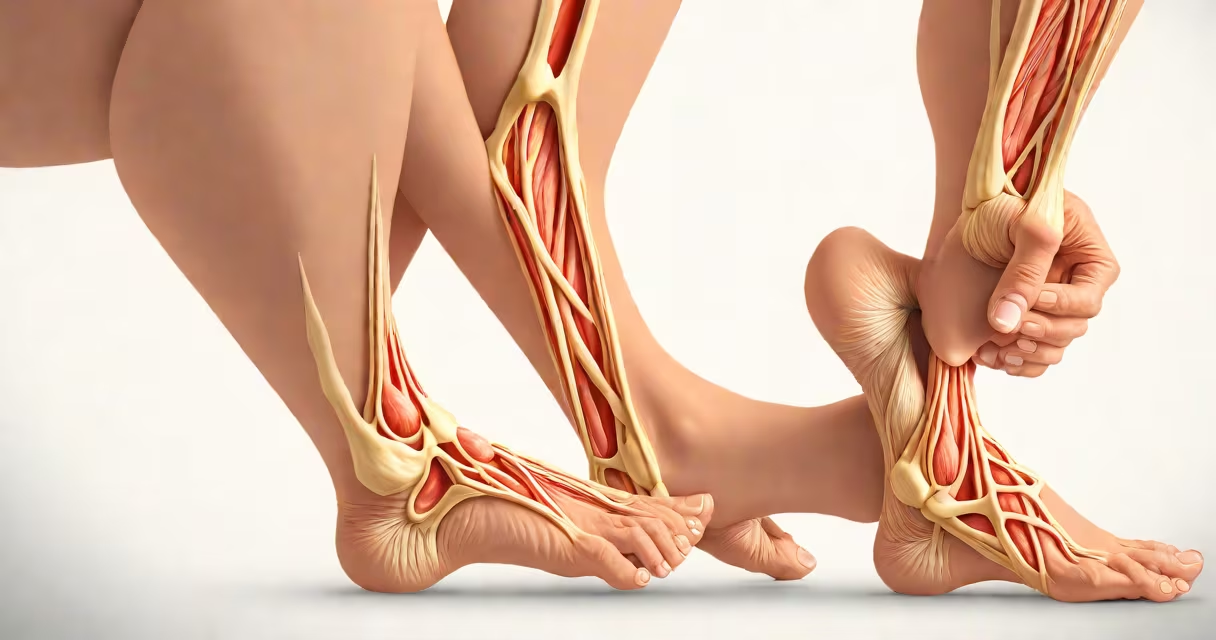
A muscle spasm in the leg is a sudden, involuntary contraction of muscle fibers that doesn't relax, often causing sharp pain. These spasms typically last seconds to minutes and most commonly affect the calf, thigh, or foot muscles.
Spasms occur when signals from nerves to muscles go awry. Normally, nerves send precise instructions to contract or relax. When those signals misfire-due to fatigue, imbalance, or irritation-the muscle fires uncontrollably. This happens because the neuromuscular system relies on precise timing between electrical impulses and chemical signals like calcium and potassium.
The most common cause is overuse during exercise, especially in hot conditions. A 2021 study in the Journal of Sports Medicine found that 68% of athletes reporting leg cramps had exercised in temperatures above 30°C (86°F) without adequate hydration. Dehydration reduces fluid volume around nerves and muscles, making them hyperexcitable. Electrolyte imbalances-especially low levels of potassium, magnesium, and calcium-also disrupt signal transmission.
Several factors increase the risk of leg spasms. Overuse during prolonged walking, running, or standing strains muscle fibers and depletes energy stores. As ATP (adenosine triphosphate) drops, calcium pumps fail, leading to sustained contractions. This is why runners often get calf cramps late in a race.
Dehydration reduces blood volume, impairing oxygen delivery to muscles. Without enough fluid, nerve endings fire erratically. The American Council on Exercise notes that losing just 2% of body weight through sweat increases cramping risk by 40%. For a 150-pound person, that's about 3 pounds of fluid loss.
Nerve compression can also trigger spasms. Sciatica, for example, compresses the sciatic nerve near the lower spine. Pressure on this nerve can cause spasms in the hamstrings or calves. A 2019 review in Neurology Today linked lumbar spinal stenosis to recurrent leg cramps in 31% of patients over age 60.
| Trigger | How It Works | Prevention Tip |
|---|---|---|
| Overuse | Depletes ATP, disrupts calcium regulation | Stretch before and after activity; avoid sudden intensity spikes |
| Dehydration | Reduces fluid around nerves; increases excitability | Drink 500 mL water per hour during prolonged exertion |
| Electrolyte loss | Low potassium/magnesium alters nerve signaling | Include bananas, spinach, or nuts in daily diet |
| Nerve compression | Pressure on spinal nerves causes abnormal firing | See a neurologist if spasms recur despite rest and hydration |
Many assume leg spasms are purely due to "cramping from lack of salt." While sodium deficiency can contribute, it's rare in people eating balanced diets. More frequently, the issue lies in magnesium or potassium depletion. A 2020 study in Frontiers in Physiology showed that participants with low serum magnesium were twice as likely to report nighttime leg cramps compared to those with normal levels.
Another misconception is that stretching prevents all spasms. While stretching helps reduce frequency, it doesn't stop nerve-driven episodes. A 2018 randomized trial published in BMJ Open found that stretching reduced cramp duration by 25% but didn't lower incidence in high-risk groups like pregnant women or older adults.
Some people mistake spasms for restless leg syndrome (RLS). RLS involves an irresistible urge to move the legs, often at night, with no actual muscle contraction. Spasms involve visible tightening and pain. If you feel twitching without pain or tightness, it may be RLS-not a spasm.
In July 2022, a 34-year-old marathoner reported a severe calf spasm during mile 22 of a race. She had trained consistently but skipped her usual pre-run electrolyte drink due to heat. Her core temperature reached 38.5°C (101.3°F), and she lost 3.2% of her body weight in sweat.
After stopping, she manually stretched the calf by pulling her toes toward her shin. Within 45 seconds, the spasm eased. Post-race analysis confirmed low serum potassium (3.1 mmol/L) and mild dehydration. She later prevented recurrence by consuming a sports drink with 200 mg of sodium and 100 mg of potassium per 500 mL during long runs.
Most leg spasms resolve within minutes and don't require medical care. But if they happen more than once a week, last longer than five minutes, or occur at rest, consult a doctor. Recurrent spasms may signal underlying conditions like peripheral artery disease, diabetes-related neuropathy, or medication side effects.
Spasms aren't always tied to physical strain. A 2021 case series in Neurological Sciences documented three patients with leg cramps triggered by stress-induced hyperventilation. Rapid breathing lowered carbon dioxide levels, increasing nerve excitability. Breathing control techniques helped reduce episodes.
Prevention focuses on hydration, nutrition, and gradual training. Aim for 2-3 liters of water daily, including fluids rich in potassium and magnesium. Eat potassium-rich foods like sweet potatoes (473 mg per medium potato) and magnesium sources like pumpkin seeds (150 mg per ounce).
Recognizing what causes a muscle spasm in your leg begins with tracking patterns-timing, activity, hydration, and diet. Most cases are manageable with small adjustments. Persistent or worsening symptoms warrant clinical evaluation to rule out neurological or vascular issues.