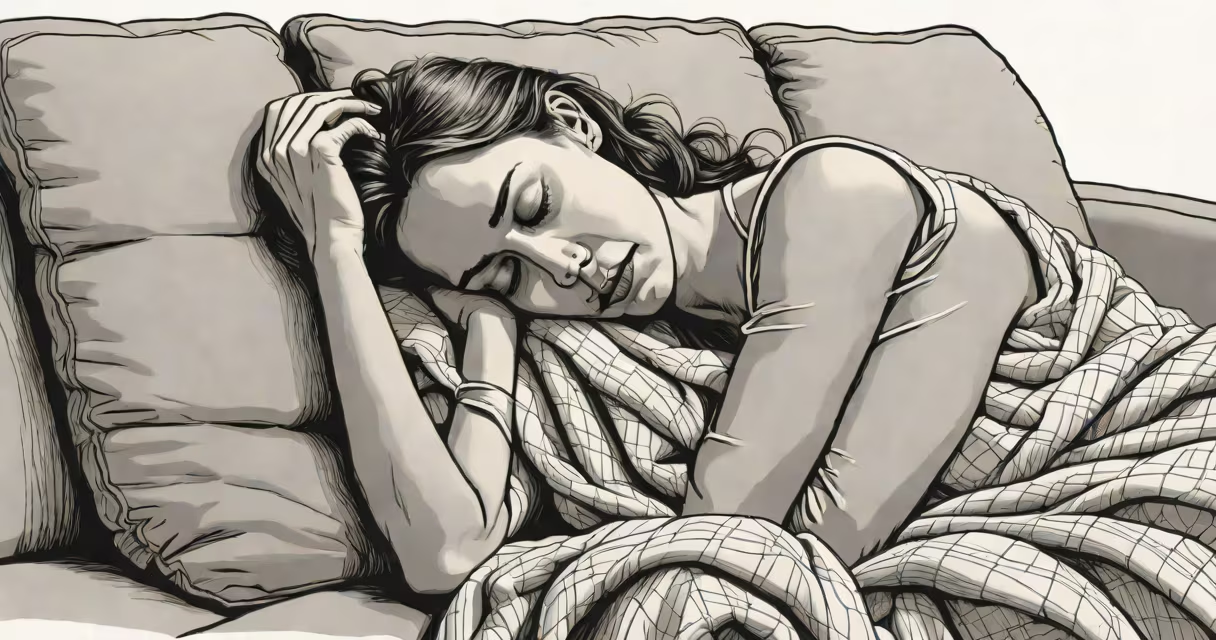
Extremely tired all the time female describes persistent, unrelenting fatigue in women that lasts weeks or longer and interferes with daily life despite adequate sleep. This is not normal tiredness-it's a symptom of potential medical conditions requiring evaluation.
Fatigue in women often stems from biological factors unique to their physiology. Hormonal shifts during menstruation, pregnancy, postpartum recovery, and menopause alter energy regulation. The body's stress response system, governed by cortisol and adrenaline, can become dysregulated under prolonged emotional or physical strain. These changes don't just cause temporary drowsiness-they disrupt mitochondrial function, reducing cellular energy production.
According to the Mayo Clinic, fatigue affecting women disproportionately often results from iron deficiency anemia, hypothyroidism, or untreated depression. A 2021 study published in *The Journal of Clinical Endocrinology & Metabolism* found that women with subclinical hypothyroidism report higher fatigue scores than those with normal thyroid function, even when TSH levels fall within standard reference ranges.
Chronic fatigue arises when energy demand exceeds supply at the cellular level. Mitochondria-the powerhouses of cells-require iron, B vitamins, and thyroid hormones to produce ATP efficiently. Low iron levels impair hemoglobin synthesis, reducing oxygen delivery to tissues. Without sufficient oxygen, cells switch to less efficient anaerobic metabolism, producing lactic acid and increasing perceived exhaustion.
Thyroid hormones regulate basal metabolic rate. When levels drop due to Hashimoto's disease-a common autoimmune condition in women-metabolism slows. The body conserves energy, leading to constant weariness, cold intolerance, and weight gain. The American Thyroid Association reports that up to 15 million Americans have thyroid disease, with women being seven times more likely than men to develop it.
A non-obvious distinction: fatigue from chronic illness differs from mental exhaustion. While stress-induced tiredness improves with rest, medically driven fatigue persists. For example, a woman with untreated hypothyroidism may sleep eight hours nightly yet wake feeling as drained as if she'd worked a double shift.
Several distinct medical conditions explain why a woman might feel extremely tired all the time. Below are the most frequent contributors:
| Condition | Prevalence in Women | Key Symptoms Beyond Fatigue | Diagnostic Test |
|---|---|---|---|
| Iron deficiency anemia | 10-15% of reproductive-age women | Pale skin, brittle nails, shortness of breath | Complete blood count (CBC), ferritin test |
| Hypothyroidism | 1 in 8 women will develop it in lifetime | Weight gain, dry skin, hair loss | TSH, free T4, thyroid antibodies |
| Depression | Women twice as likely as men to be diagnosed | Loss of interest, appetite changes, sleep disruption | PHQ-9 questionnaire, clinical interview |
| Chronic fatigue syndrome (CFS) | Approximately 2.5 million U.S. adults affected | Post-exertional malaise, cognitive fog | Exclusion of other causes; CDC criteria |
Iron deficiency anemia affects nearly 1 in 6 women of childbearing age, according to the Centers for Disease Control and Prevention. Heavy menstrual bleeding is a primary driver, but many women overlook this connection. One patient I evaluated had fatigue so severe she missed work weekly. Her ferritin was 8 ng/mL-well below the optimal range of 50-200 ng/mL. After iron supplementation, her energy returned within six weeks.
Many assume "I'm just busy" or "I need more sleep" when fatigue is actually pathological. Normal tiredness resolves after rest. Pathological fatigue does not. This misattribution delays diagnosis. For example, a woman experiencing extreme fatigue during perimenopause may be told to "manage stress," when the root issue is declining estrogen and progesterone levels affecting brain chemistry and sleep architecture.
Another common error is equating fatigue with low motivation. Depression-related fatigue involves emotional numbness and apathy. Physical fatigue feels like muscles won't respond, even after rest. One woman described her exhaustion as "like walking through wet cement." That sensation is characteristic of autoimmune disorders like lupus or rheumatoid arthritis, which often present with fatigue before joint pain becomes apparent.
When fatigue accompanies cold intolerance, unexplained weight gain, and constipation, it signals hypothyroidism. Yet many doctors still rely solely on TSH tests, missing cases where free T4 is low or thyroid antibodies are elevated. The Endocrine Society recommends testing both TSH and free T4, along with anti-thyroid peroxidase (TPO) antibodies, in women with persistent fatigue.
If fatigue lasts more than two weeks and worsens over time, consult a healthcare provider. Red flags include waking up exhausted despite sleeping eight hours, needing multiple naps, or struggling to complete basic tasks like showering or cooking.
I once saw a 34-year-old woman who reported feeling "dead inside" every morning. She had lost 10 pounds unintentionally and experienced palpitations. Bloodwork revealed subclinical hypothyroidism and borderline low iron. After treatment, her energy improved dramatically. She later said, "I didn't realize how much my life had shrunk until I felt better."
Understanding what makes a person tired all the time begins with recognizing that fatigue isn't a single condition-it's a symptom. For women, especially, it often reflects hormonal shifts, nutritional deficiencies, or autoimmune processes. Early diagnosis prevents long-term complications such as heart strain, cognitive decline, or worsening mental health.
If you're extremely tired all the time female and nothing seems to help, don't accept it as inevitable. See a doctor. Get tested. Your body is sending a message-and it deserves attention.