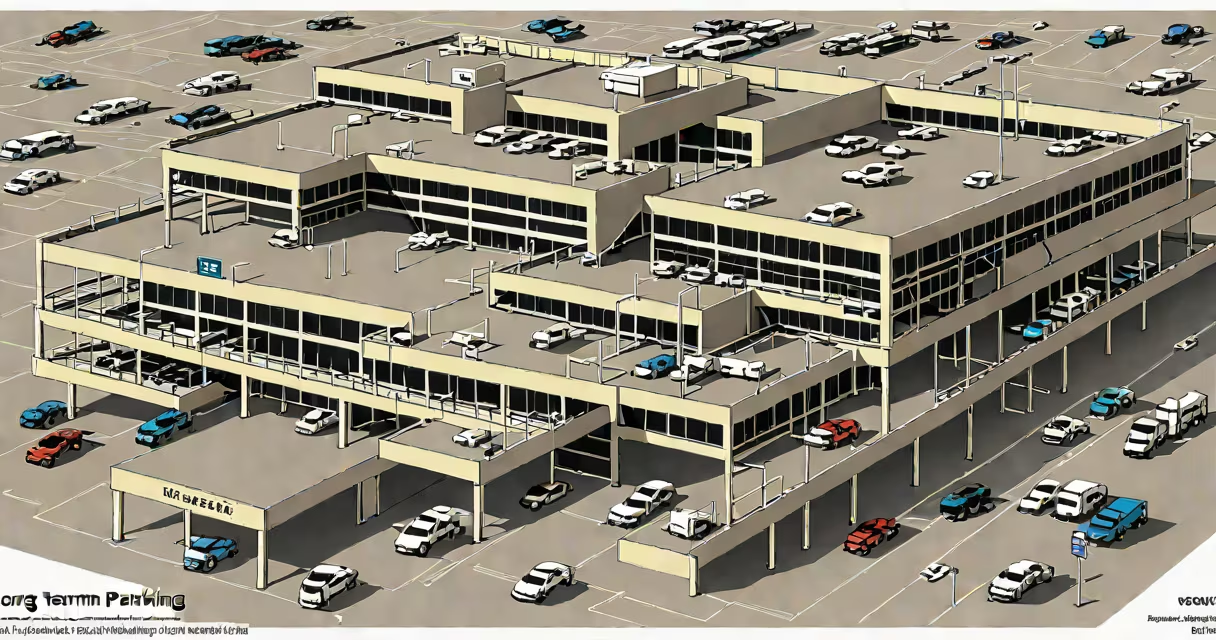
Long term parking is a designated parking service at airports designed for travelers staying away from home for days, weeks, or months. It typically charges lower daily rates than short-term lots and includes free shuttle transportation to terminal entrances.
These facilities are located farther from terminals than short-term options, reducing congestion and lowering operating costs. Most long term parking areas offer covered or structured spaces, security cameras, and 24/7 surveillance. Travelers pay a flat rate per day or per week, often with discounts for stays longer than three days.
Major U.S. airports like Los Angeles International (LAX), Chicago O'Hare (ORD), and Denver International (DEN) operate dedicated long term parking zones. These are managed either by the airport authority or third-party providers such as Park 'n Fly and SpotHero. Rates vary by location, time of year, and demand, with average daily fees ranging from $12 to $25 at large hubs.
When a traveler books long term parking, they typically reserve a space online or at a kiosk upon arrival. After dropping off their vehicle, they take a free shuttle bus to the terminal. Shuttles run every 10 to 20 minutes during peak hours and are wheelchair-accessible. Return shuttles are available at the end of the trip.
Most facilities allow access 24 hours a day. Security staff patrol regularly, and cameras cover entry and exit points. Some locations provide valet services or reserved spots for disabled travelers. Vehicles are usually parked in assigned zones, though some lots use a first-come, first-served system.
At LAX, long term parking zones include Lot A and B near Terminal 1 and 2. These lots charge $16 per day, with a $50 weekly rate. Shuttles run every 15 minutes between 5 a.m. and midnight. For travelers arriving early or late, the airport provides a 24-hour shuttle service to all long term lots.
Long term parking varies by provider and airport. The main categories are airport-owned, third-party operated, and private lot arrangements.
| Type | Provider | Daily Rate (avg) | Shuttle Frequency | Security Features |
|---|---|---|---|---|
| Airport-owned | LAX, JFK, DFW | $14-$20 | Every 10-15 min | 24/7 patrols, CCTV, gated access |
| Third-party | Park 'n Fly, SpotHero | $12-$25 | Every 15-20 min | CCTV, mobile app tracking, reservation confirmation |
| Private lot | Local operators near terminals | $10-$18 | Variable, often less frequent | Basic surveillance, limited signage |
Third-party providers often offer better rates and online booking tools. For example, SpotHero's long term parking at LAX averages $14/day, compared to $16/day at the airport's own lot. These services integrate with mobile apps, allowing users to reserve, pay, and track their vehicle's status remotely.
Private lots near terminals may appear cheaper but carry higher risk. They're not regulated by airport authorities and lack standardized security. One traveler reported finding their car damaged after leaving it in a privately operated lot at ORD, with no insurance coverage from the provider.
Many assume long term parking is only for vacationers. In reality, business travelers, medical patients, and students on semester breaks frequently use it. At LAX, over 40% of long term parking bookings come from repeat business travelers, according to a 2023 airport operations report.
Another misconception is that all long term lots offer free shuttles. While most do, some third-party providers charge extra for premium shuttle access or priority boarding. Always confirm shuttle details in the booking confirmation.
Travelers also overlook the difference between "long term" and "economy" parking. Economy lots are often the same as long term, but not all long term facilities are labeled as such. At DEN, the long term zone is called "Economy Parking," which confuses some users. Always verify the official name and location on the airport's website.
In June 2023, I booked long term parking at LAX for a 10-day trip to Tokyo. I used SpotHero to reserve a spot in Lot B, which cost $14/day. The app confirmed my reservation and sent a QR code to scan at the entrance. I arrived at 3 p.m., parked in Zone 4, and took the shuttle to Terminal 1.
The shuttle ran every 15 minutes and took 12 minutes to reach the terminal. On return, I retrieved my car at 10 a.m. the last day. The entire process took under 15 minutes each way. Total cost: $140 for 10 days. I saved $30 compared to short-term parking.
I noticed that the lot had clear signage, multiple camera points, and a security booth at the entrance. No incidents occurred during my stay. The app also sent a reminder 48 hours before pickup time.
Long term parking is not the same as valet parking, which charges $30-$50 per day and requires a driver to drop off the car. It differs from short-term parking, which is priced hourly and located near curbside. Long term parking is also distinct from airport rental car lots, which serve car renters, not personal vehicle storage.
Even within aviation, long term parking is not synonymous with "parking at the gate." Gate parking is reserved for airline ground crews and maintenance teams, not passengers. Only authorized personnel may access these zones.
One non-obvious fact: many long term parking lots have automated license plate recognition systems. At LAX, cameras read plates as vehicles enter and exit, matching them to reservations. This reduces wait times and prevents unauthorized access. The system also logs entries for security audits.
Long term parking is a practical solution for storing vehicles during extended absences. With proper planning, it saves money, reduces stress, and keeps vehicles secure. Whether traveling for work or leisure, understanding how it functions improves the airport experience.