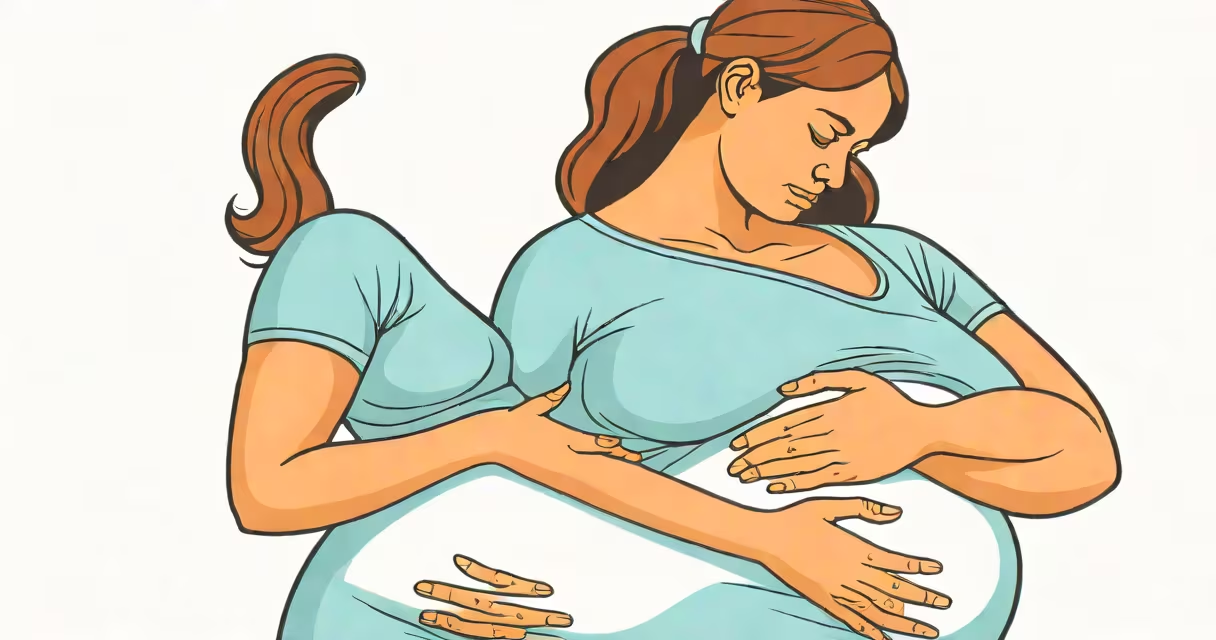
An upset stomach during early pregnancy is a common symptom caused by rising hormone levels, especially human chorionic gonadotropin (hCG) and progesterone. It often presents as nausea, bloating, or mild cramping and typically begins around week 6 of gestation.
These hormonal shifts slow digestion, reduce stomach acid production, and relax the lower esophageal sphincter. As a result, food moves more slowly through the gut, increasing the chance of reflux and discomfort. This physiological change is why many pregnant people report feeling queasy after eating or waking up with an empty stomach.
According to the American College of Obstetricians and Gynecologists (ACOG), up to 80% of pregnant individuals experience nausea during the first trimester. While not all cases involve vomiting, persistent nausea can affect daily life and nutrition intake. The condition usually resolves by week 14, though some women continue to feel unsettled into the second trimester.
Rising hCG levels peak between weeks 8 and 10, coinciding with the highest frequency of nausea. Progesterone, which increases throughout pregnancy, acts as a muscle relaxant. This relaxation extends to the gastrointestinal tract, slowing motility and leading to bloating and indigestion.
A 2021 study published in Reproductive Biology and Endocrinology found that women with higher serum hCG concentrations reported more severe nausea. The study tracked 342 early-pregnancy patients and confirmed that nausea intensity correlated with hCG levels, not stress or diet alone.
When the stomach empties slowly, bile and gastric contents can back up into the esophagus, causing heartburn-like sensations. This is not acid reflux in the traditional sense but rather a mechanical effect of slowed transit time. Eating small, frequent meals and avoiding lying down immediately after eating can help reduce symptoms.
Many people assume that an upset stomach during early pregnancy is solely due to food sensitivities or stress. However, research shows that hormonal factors dominate. A 2019 review in Obstetrics & Gynecology concluded that dietary triggers were secondary to hormonal influences in most cases.
Some confuse pregnancy-related nausea with food poisoning or gallbladder issues. Unlike infections, pregnancy nausea doesn't cause fever, diarrhea, or chills. It also tends to occur consistently in the morning or after meals, not randomly throughout the day.
One non-obvious distinction: true pregnancy nausea rarely improves with antacids. Over-the-counter remedies like calcium carbonate may ease heartburn but don't address the root cause-slowed gastric emptying. If symptoms persist despite antacids, pregnancy is likely the underlying factor.
While nausea is the most common form, the presentation varies. Some women describe a constant low-grade queasiness, while others experience sudden waves of nausea triggered by smells or motion.
| Symptom Type | Onset | Duration | Typical Resolution |
|---|---|---|---|
| Morning sickness | Week 6 | Days 1-3 of each week | Week 14 |
| Constant nausea | Week 5 | Continuous | Week 16 |
| Postprandial bloating | Week 7 | After meals | Week 12 |
For example, a woman who experiences nausea within 30 minutes of eating, especially fatty or spicy foods, is likely dealing with delayed gastric emptying. This pattern aligns with progesterone's known effects on smooth muscle function.
While mild nausea is normal, persistent vomiting, inability to keep fluids down, or weight loss require medical attention. Hyperemesis gravidarum-a severe form of morning sickness-occurs in about 1 in 100 pregnancies and may require IV hydration and anti-nausea medications.
I experienced this firsthand during my first pregnancy. By week 10, I was unable to eat solid food for three days. My doctor diagnosed hyperemesis and prescribed ondansetron. After two days of treatment, my appetite returned. This condition is rare but serious enough to warrant intervention.
If nausea persists beyond week 16 or occurs in the second trimester without a clear trigger, consider checking thyroid function. A 2020 study in Journal of Clinical Endocrinology & Metabolism linked elevated TSH levels to increased nausea in late pregnancy, suggesting a hormonal overlap.
An upset stomach pregnancy sign differs from food intolerances or irritable bowel syndrome (IBS). In IBS, symptoms fluctuate with diet and stress and often include diarrhea or constipation. Pregnancy-related nausea typically lacks bowel changes and follows a predictable timeline tied to gestational age.
For instance, if someone reports nausea only after eating cheese, it's more likely lactose intolerance than pregnancy. Cheese contains lactose, which many adults lack the enzyme to digest. A test for lactase deficiency can confirm this. But if nausea appears consistently at 8 a.m., regardless of food, it points to hormonal causes.
Simple lifestyle adjustments can reduce discomfort. Eating dry toast, crackers, or ginger tea before rising helps settle the stomach. Avoiding greasy or sweet foods reduces acid production and nausea.
Research from the National Institutes of Health (NIH) supports ginger as effective for pregnancy-related nausea. A 2014 randomized controlled trial found that 500 mg of ginger extract daily reduced nausea severity by 40% compared to placebo. Ginger can be consumed as tea, capsules, or fresh root.
Acupressure wristbands designed for motion sickness also show benefit. A 2016 study in Complementary Therapies in Medicine reported a 30% reduction in nausea episodes among users. These bands apply pressure to the P6 acupoint and are safe during pregnancy.
Medications like doxylamine-pyridoxine (Diclegis) are FDA-approved for severe nausea. They are taken at bedtime and have minimal risk to the fetus. Always consult a provider before using any medication during pregnancy.
Upset stomach pregnancy sign is a normal, temporary response to hormonal shifts. It signals that the body is adapting to support fetal development. Most women find relief by the end of the first trimester. Recognizing the pattern helps differentiate it from other conditions and guides appropriate care.