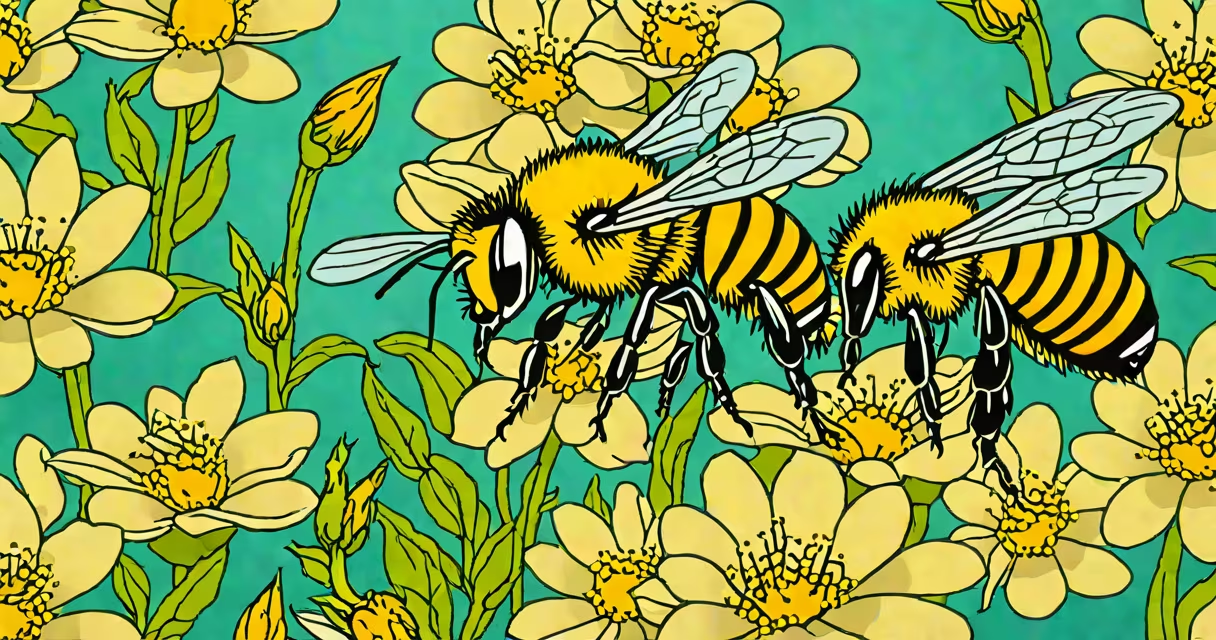
fear of bees, also known as apiphobia, is a specific phobia characterized by intense, irrational dread of bees that can disrupt daily life. It involves persistent avoidance of outdoor spaces where bees may appear and can trigger panic attacks even when bees are distant or inactive.
Apiphobia is rooted in evolutionary psychology-humans are wired to react quickly to potential threats like stinging insects. However, in clinical cases, the response exceeds what's needed for survival. Unlike normal caution around bees, apiphobia causes disproportionate distress, often leading people to avoid parks, gardens, or even certain foods linked to bee activity.
According to the American Psychiatric Association, specific phobias affect about 8.7% of U.S. adults annually, with insect-related fears among the most common. Fear of bees ranks high due to the painful nature of stings and public awareness of rare allergic reactions. The condition typically emerges in childhood but can develop at any age.
Most cases begin after a direct encounter-being stung, seeing a bee swarm, or hearing about a dangerous incident. The brain encodes such events with heightened emotional weight, especially in children whose threat-detection systems are still forming. A single sting during early adolescence can lead to long-term avoidance behaviors.
Neuroimaging studies show that people with specific phobias exhibit hyperactivity in the amygdala-the brain's fear center-when exposed to triggering stimuli. For those with apiphobia, images of bees activate this region more intensely than neutral or even threatening animals like snakes in some cases.
Environmental factors compound the issue. Children raised in homes where parents express strong fear of insects are more likely to adopt similar responses. Media portrayals of swarming bees or mass stings (e.g., in news reports or films) further reinforce anxiety, even without personal exposure.
While all fear of bees stems from the same core reaction, severity varies widely. Clinicians categorize it using diagnostic criteria from the DSM-5:
| Severity Level | Behavioral Impact | Common Symptoms |
|---|---|---|
| Mild | Avoids backyard gardening; checks windows before opening | Increased heart rate, sweating when bees are seen |
| Moderate | Refuses to attend outdoor events; avoids parks | Panic attacks, trembling, dizziness |
| Severe | Cannot enter homes with open doors in summer; requires medication | Freezing, inability to speak, fainting |
One study published in *Journal of Anxiety Disorders* found that 62% of individuals with apiphobia reported avoiding at least three types of outdoor activities-walking in parks, attending picnics, or visiting botanical gardens-compared to 14% of non-phobic peers.
Many assume fear of bees is simply "being scared of bugs." That's incorrect. Apiphobia is distinct from general entomophobia (fear of insects). Bees are not just "bugs"-they're social, pollinating animals with complex behavior. People with apiphobia often fear their flight patterns, buzzing sounds, or perceived aggression, not insects as a category.
Another myth: that fear of bees is always based on being stung. Not true. Some individuals report anxiety triggered solely by seeing bees in photos or videos. A 2021 study in *Behaviour Research and Therapy* showed that 38% of participants with apiphobia had no prior stinging experience but developed symptoms after watching a viral video of a bee swarm attacking a person.
Apiphobia is not the same as allergies. Anaphylaxis is a medical emergency involving immune system overreaction. Apiphobia is psychological. Someone can have both-a bee allergy and a phobia-but they are separate conditions requiring different treatments.
I once observed a woman freeze at a farmers' market when a bumblebee landed on her shoulder bag. She screamed, dropped her basket, and fled the premises. Her reaction wasn't dramatic-it was automatic. She later told me she'd never been stung but grew up hearing stories about "killer bees" from her grandfather. That narrative shaped her perception of bees as inherently dangerous.
Treatment focuses on cognitive behavioral therapy (CBT), particularly exposure therapy. Patients gradually face bees in controlled settings-starting with pictures, then videos, then live observation under supervision. Over time, the brain learns the threat is exaggerated.
Research from the National Institute of Mental Health confirms that 70% of patients with specific phobias, including apiphobia, show significant improvement after 6-12 weeks of CBT. Medications like SSRIs are sometimes used but are not first-line treatments.
Fear of bees crosses into clinical concern when it interferes with basic routines. If someone avoids walking to work because of a nearby hive, skips family gatherings outdoors, or refuses to eat fruit due to fear of bees, it's time to seek help.
Unlike temporary fear, apiphobia persists despite rational understanding. A person may know bees are important to ecosystems and that most are docile, yet still feel terror when one appears. This disconnect between logic and emotion defines the disorder.
Recognizing fear of bees as a treatable mental health condition reduces stigma. It's not weakness. It's a misfiring of the brain's alarm system. With proper support, people regain freedom to enjoy nature without fear.
Understanding fear of bees helps identify when anxiety shifts from healthy caution to clinical phobia. Early intervention prevents long-term avoidance and improves quality of life. For anyone struggling, professional care offers proven pathways to recovery.