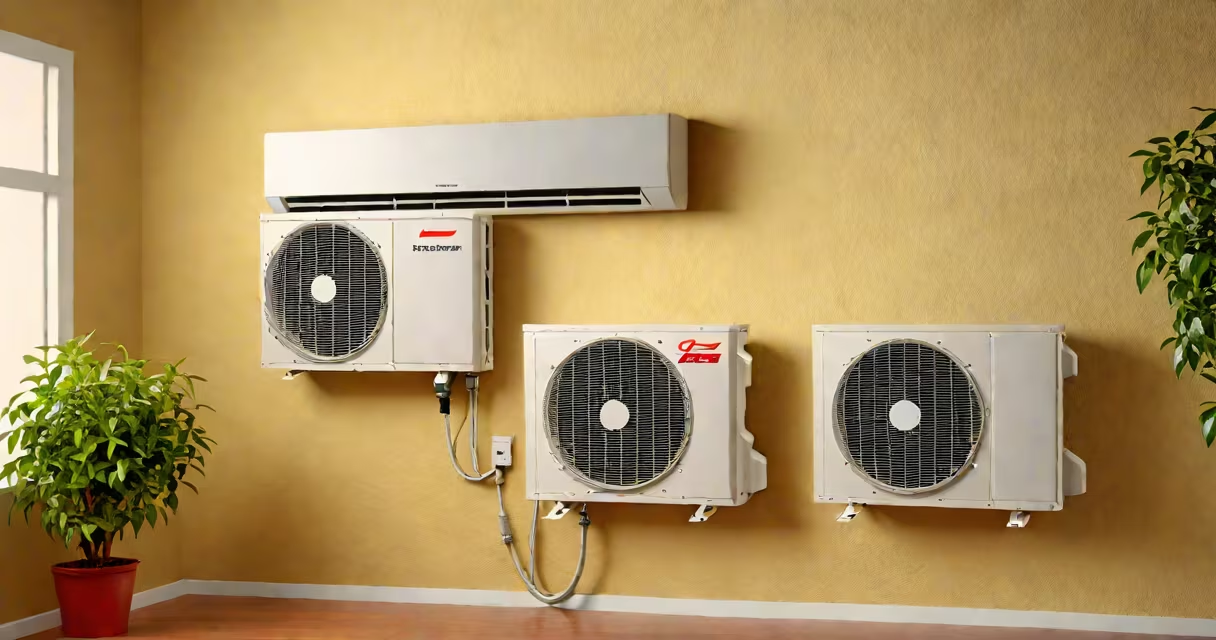
A heat pump AC system is a single HVAC unit that reverses its refrigeration cycle to cool in summer and warm in winter using electric power. Unlike traditional furnaces or gas-powered systems, it moves heat rather than creating it, making it highly efficient for both heating and cooling.
Heat pumps operate on the principle of thermodynamics: they extract heat from one location and transfer it to another. In cooling mode, they pull warmth from indoors and expel it outside. In heating mode, they reverse the process, drawing heat from outdoor air-even below freezing-and delivering it indoors. This dual function replaces separate furnace and air conditioner units in many homes.
The U.S. Department of Energy confirms that heat pumps can deliver up to 300% more energy efficiency than resistance-based heating systems. For example, a typical heat pump produces 3 units of heat for every 1 unit of electricity consumed-a coefficient of performance (COP) of 3.0. This efficiency drops slightly in extreme cold, but modern models maintain effectiveness down to -15°F (-26°C).
A heat pump AC system functions through a closed-loop refrigerant cycle powered by an electric compressor. The core components include an outdoor condenser unit, an indoor evaporator coil (often integrated into a furnace or air handler), and a reversing valve that switches flow direction based on season.
In cooling mode, refrigerant flows from the outdoor condenser to the indoor evaporator. As it passes through the expansion valve, pressure drops, causing the refrigerant to absorb heat from indoor air. The cooled air is then blown into the home while the hot refrigerant travels back outdoors to release heat via the condenser coils.
When switched to heating mode, the reversing valve redirects the refrigerant flow. Now, the outdoor unit becomes the evaporator, pulling heat from ambient air-even at low temperatures. The refrigerant absorbs thermal energy, compresses, and releases heat indoors through the evaporator coil. The indoor fan circulates warm air throughout the space.
For instance, during a winter day at 20°F (-6°C), a modern air-source heat pump can still extract enough heat to raise indoor temperatures by 15-20 degrees above the outdoor temperature. This capability relies on advanced refrigerants like R-454B, which perform better in cold climates than older R-410A.
Heat pump systems fall into three primary categories based on their heat source and installation method:
| Type | Heat Source | Best Use Case | Efficiency Range (SEER/HEC) |
|---|---|---|---|
| Ductless Mini-Split | Outdoor air | Room-by-room climate control, renovations, no ductwork | 18-30 SEER, 3.0-4.5 HSPF |
| Ducted Central | Outdoor air | Whole-home heating and cooling, existing duct systems | 16-22 SEER, 2.5-3.5 HSPF |
| Ground-Source (Geothermal) | Subsurface earth | High-efficiency long-term savings, stable climate zones | 25-35 SEER, 4.0-6.0 HSPF |
Ductless mini-split systems are ideal for homes without central ducts. They feature individual indoor units mounted on walls or ceilings, each controlling its own zone. A 2022 study by the National Renewable Energy Laboratory found that ductless systems reduced energy use by 27% compared to standard central AC in homes with poor duct sealing.
Ground-source heat pumps tap into stable underground temperatures (around 50-60°F year-round). While more expensive to install-typically $20,000-$30,000-they offer the highest seasonal energy efficiency. The Environmental Protection Agency notes that geothermal systems can cut heating and cooling costs by up to 50% over 15 years.
Many people assume heat pumps only work in mild climates. This is incorrect. Modern air-source heat pumps operate effectively in regions with sub-zero winters. The Air Conditioning Contractors of America reports that over 70% of U.S. homes in climate zones 3-5 (including parts of the Midwest and Northeast) can rely solely on heat pumps for year-round comfort.
Another misunderstanding is that heat pumps require supplemental heat. While some models do include electric resistance backup elements, most modern units use variable-speed compressors and advanced defrost cycles to prevent ice buildup. These features allow continuous operation in cold weather without relying on fossil fuels.
A lesser-known fact: heat pumps don't "create" cold-they remove heat. The cooling effect comes from lowering indoor temperature by extracting thermal energy. This is why indoor units often feel damp or produce condensation during operation-moisture is being removed from the air as heat is extracted.
Consider a 2,200 sq ft home in Minneapolis with a ductless mini-split heat pump system. The homeowner replaced an old gas furnace and window AC unit in 2023. The new system includes a 24,000 BTU outdoor unit and two indoor heads-one for the living area, one for the master bedroom.
During summer, the system cools the house to 72°F with a SEER rating of 24. In winter, it maintains 70°F at -10°F outside. Over one year, the household recorded 12,000 kWh of electricity usage-down from 18,000 kWh previously with gas and electric AC. The utility bill dropped by 31%, and the system required no maintenance beyond annual filter cleaning.
This case illustrates how heat pump AC systems reduce reliance on fossil fuels. According to the U.S. Energy Information Administration, replacing gas heating with electric heat pumps reduces household carbon emissions by an average of 40%.
For homeowners considering a switch, a heat pump runs on electricity, not gas or oil. This makes it compatible with solar panels and time-of-use electricity plans. In states like California and New York, rebates cover up to 50% of installation cost through state incentive programs.
Heat pump AC systems are not just a cooling solution. They are a complete climate control platform designed for year-round comfort, lower utility bills, and reduced environmental impact. Their ability to reverse function and adapt to changing seasons makes them a key part of modern residential HVAC design.