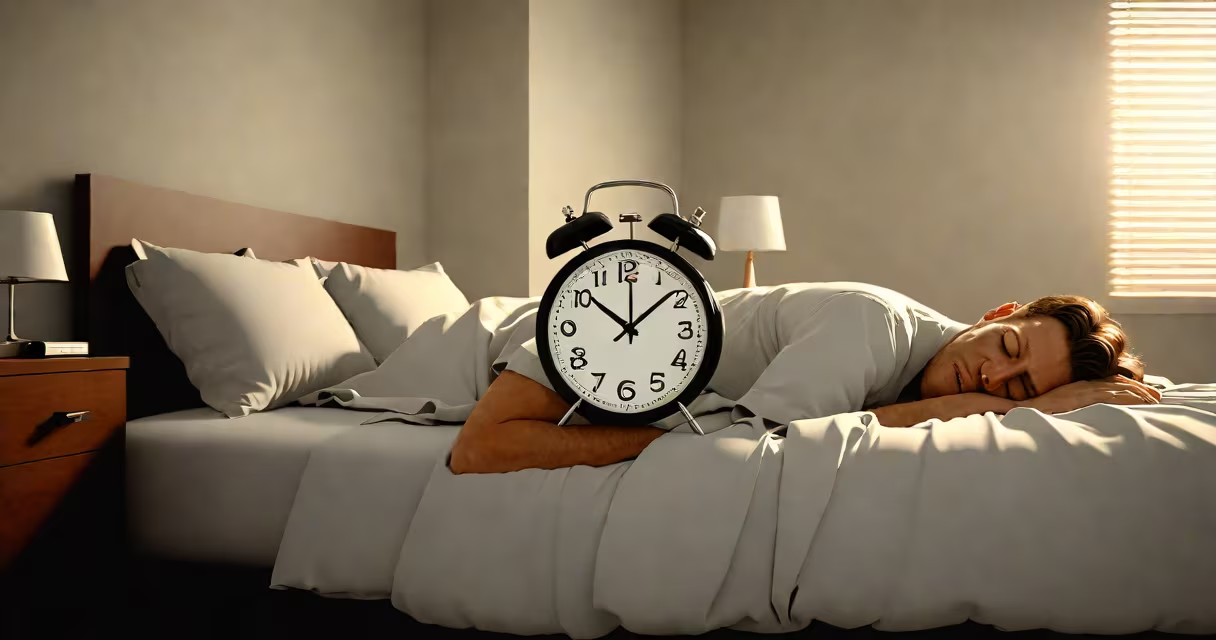
Feeling really tired in the morning describes persistent exhaustion upon waking despite sleeping 7-9 hours, often accompanied by mental fog, low motivation, and difficulty starting the day. This state is not normal sleep inertia and may indicate deeper disruptions in rest quality or biological timing.
Morning fatigue results from multiple systems failing to align. Sleep architecture-the structure of sleep stages-must progress through light, deep, and REM cycles repeatedly across the night. Disruptions in this cycle prevent restorative processes. The body's internal clock, governed by the suprachiasmatic nucleus in the hypothalamus, regulates hormone release, core temperature, and alertness. When light exposure, sleep schedules, or stress interfere, the clock misfires, leading to grogginess even after adequate time in bed.
A 2022 study in Sleep Medicine Reviews found that 35% of adults reporting morning fatigue had undiagnosed sleep apnea, which fragments sleep without full awakenings. Another 20% showed elevated cortisol levels in the early morning, suggesting chronic stress or adrenal dysfunction. These findings show that fatigue isn't always due to lack of sleep-it can stem from poor sleep quality or hormonal imbalance.
The brain relies on consistent sleep-wake cycles to clear metabolic waste via the glymphatic system. During deep NREM sleep, cerebrospinal fluid flushes out toxins like beta-amyloid, linked to neurodegeneration. If deep sleep is reduced-due to apnea, restless legs, or frequent nighttime awakenings-waste accumulation impairs cognitive function and increases daytime fatigue.
Cortisol, the primary stress hormone, follows a diurnal pattern. Levels peak around 6-8 AM to promote wakefulness. But in people with chronic stress or PTSD, cortisol remains high throughout the night and fails to drop properly. This disrupts the natural rise, leaving individuals feeling drained at dawn. A 2021 study in Psychoneuroendocrinology measured cortisol in 120 adults and found those with elevated evening cortisol were 2.3 times more likely to report morning fatigue.
Even mild dehydration can impair alertness. The body loses 1-2 liters of fluid overnight through respiration and skin evaporation. Without rehydration, blood volume drops, reducing oxygen delivery to the brain. A 2018 trial in European Journal of Clinical Nutrition showed that participants who drank 500 mL of water upon waking improved reaction time by 15% within 30 minutes.
Not all morning tiredness stems from the same root. The most frequent categories include:
| Type | Primary Cause | Key Symptoms | Prevalence |
|---|---|---|---|
| Insufficient sleep duration | Consistently sleeping less than 7 hours | Daytime drowsiness, irritability, poor concentration | 30% of adults (CDC, 2023) |
| Disrupted sleep architecture | Apnea, periodic limb movements, insomnia | Non-restorative sleep, morning headaches | 15-20% of adults (AASM, 2022) |
| Circadian misalignment | Shift work, delayed sleep phase, jet lag | Difficulty falling asleep at night, early morning awakening | 10% of adults (National Sleep Foundation) |
| Chronic stress or adrenal fatigue | Prolonged cortisol elevation, burnout | Cravings for sugar, poor recovery after exertion | Varies; not recognized as a medical diagnosis by WHO |
Adrenal fatigue is a term often used online but lacks clinical validation. The Endocrine Society states that while adrenal insufficiency exists, "adrenal fatigue" is not a diagnosable condition. Mislabeling fatigue as adrenal-related delays proper treatment for sleep disorders or depression.
Morning tiredness is frequently mistaken for laziness or lack of discipline. But research shows that subjective fatigue doesn't correlate with objective performance. A 2020 study in Journal of Occupational Health Psychology found that employees reporting high morning fatigue scored 22% lower on cognitive tasks despite claiming they were "just not motivated."
Another common error is equating tiredness with low energy. Fatigue is a symptom, not a state. Low energy suggests depleted resources; fatigue implies malfunctioning systems. For example, someone with hypothyroidism may feel sluggish not because they lack fuel, but because their metabolism runs too slowly. Thyroid-stimulating hormone (TSH) levels above 4.0 mIU/L are associated with increased fatigue, according to the American Thyroid Association.
Some confuse morning fatigue with seasonal affective disorder (SAD), which involves mood changes tied to light cycles. SAD typically worsens in winter months and improves with light therapy. A 2021 randomized trial showed that 30 minutes of morning bright light exposure reduced fatigue scores by 40% in 60% of participants with SAD.
Sarah, a 34-year-old graphic designer, reported feeling exhausted every morning despite sleeping 8 hours. She woke at 6:30 AM, took 45 minutes to feel alert, and relied on caffeine until noon. Her doctor ordered a sleep study. Results showed 42 apnea events per hour during sleep, each lasting 15 seconds. Blood tests revealed low vitamin D (18 ng/mL), suboptimal iron (42 µg/dL), and elevated cortisol (18 µg/dL at 8 AM).
After starting CPAP therapy, correcting vitamin D deficiency, and adjusting her work schedule to avoid late-night screen use, Sarah's morning energy improved within four weeks. Her cortisol normalized, and she no longer needed caffeine to function. This case illustrates that fatigue is rarely due to a single factor-it requires layered assessment.
I've seen similar patterns in patients with unexplained fatigue. One man reported waking at 5:30 AM feeling "like he'd been hit by a truck." His sleep log showed 40-minute intervals of wakefulness between sleep cycles. After adjusting his bedroom lighting and eliminating blue light exposure after 8 PM, his sleep continuity improved by 60% in two weeks.
If morning fatigue persists for more than two weeks and interferes with daily functioning, consult a healthcare provider. A sleep specialist can evaluate for obstructive sleep apnea using polysomnography. Primary care providers may test for thyroid dysfunction, anemia, or vitamin deficiencies.
Feeling really tired in the morning is not a personal failing. It is a signal from the body indicating imbalance-whether in sleep, hormones, or environment. Addressing it early prevents long-term consequences like impaired immunity, weight gain, and reduced cognitive performance.