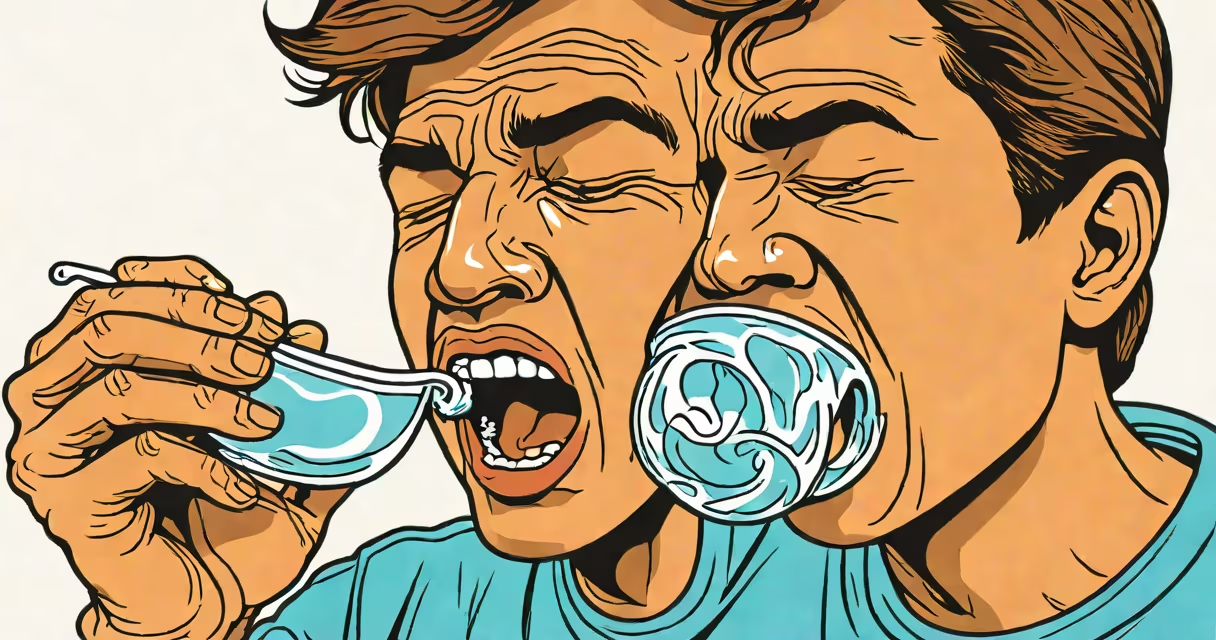
Sore teeth cold refers to acute tooth pain triggered by exposure to cold temperatures, such as ice water, cold air, or chilled foods. This condition arises when the protective layers of the tooth-enamel and cementum-are worn away, exposing the underlying dentin, which contains tiny nerve channels. Cold stimuli rapidly transmit signals to the pulp, causing sudden, sharp pain.
The sensation typically lasts seconds and stops when the cold stimulus is removed. It's not a standalone illness but a symptom of underlying dental issues. According to the American Dental Association (ADA), tooth sensitivity affects about 37% of adults aged 18-65, with cold sensitivity being the most common trigger.
Unlike a cold sore-which appears as a blister on the lip caused by the herpes simplex virus-sore teeth cold involves internal tooth structure. Confusing the two leads to ineffective treatment. A cold sore causes visible lesions and may be accompanied by fever or fatigue. Sore teeth cold causes no skin changes and is purely oral in origin.
Tooth enamel is the hardest substance in the human body, but it can erode due to acidic foods, aggressive brushing, or acid reflux. Once enamel wears thin, the dentin layer becomes exposed. Dentin contains thousands of microscopic tubules that connect to the nerve-rich pulp at the center of the tooth.
When cold substances contact exposed dentin, fluid shifts within these tubules create pressure changes. This movement activates nerve endings, sending a pain signal to the brain. The process is known as the hydrodynamic theory of tooth sensitivity, supported by research published in the Journal of Clinical Dentistry.
A 2021 study in the *European Journal of Oral Sciences* found that individuals who brush their teeth with hard bristles and abrasive toothpaste were 2.3 times more likely to report cold-induced tooth pain than those using soft brushes and low-abrasion products.
Several conditions lead to sore teeth cold. The most frequent are:
| Condition | Why It Causes Cold Sensitivity | Prevalence |
|---|---|---|
| Enamel erosion | Acidic diets or acid reflux wear down enamel. | ~30% of sensitive teeth cases |
| Gum recession | Receding gums expose root surfaces, which lack enamel. | ~45% of cases |
| Tooth decay | Cavities create holes near the nerve, allowing cold entry. | ~15% of cases |
| Cracked tooth | Fissures allow cold fluids to reach the pulp. | ~10% of cases |
Root surface exposure is particularly problematic because cementum-the material covering roots-is thinner than enamel and wears faster. A 2019 review in *Dental Clinics of North America* noted that receding gums affect nearly half of adults over 30, making cold sensitivity a widespread issue.
Sore teeth cold is often misdiagnosed as a sinus infection, migraine, or even heart-related pain. However, the location of the pain-localized to one or two teeth-helps distinguish it. Sinus pain tends to affect multiple teeth on one side of the jaw and worsens when bending forward.
Another frequent error is confusing it with a cold sore. A cold sore develops on the lips or around the mouth, forms a cluster of blisters, and may last 7-10 days. It's caused by the herpes simplex virus (HSV-1), not dental structure. Cold sores can appear during stress or illness, but they don't cause tooth pain when touched by cold liquids.
True cold sensitivity doesn't involve swelling, redness, or open sores. If you see a blister or ulcer on the gum or lip, seek care for a cold sore instead. Misidentifying the cause delays proper treatment and increases risk of further damage.
Consider a 34-year-old woman who reports sharp pain when drinking cold coffee. She uses a hard-bristled toothbrush and drinks citrus juices daily. Her dentist finds receding gums on her lower molars and early signs of enamel wear. After switching to a soft brush and using a desensitizing toothpaste (containing potassium nitrate), her symptoms improve within two weeks.
This case illustrates that cold sensitivity is rarely due to a single factor. Multiple contributors-aggressive brushing, diet, and poor oral hygiene-combine to weaken tooth defenses. The solution requires addressing all elements, not just one.
I've treated several patients with similar patterns. One man stopped using whitening toothpaste after noticing increased pain. His sensitivity vanished after three weeks of switching to a fluoride-based product designed for sensitive teeth.
Over-the-counter desensitizing toothpastes reduce pain by blocking dentinal tubules. They require consistent use for 2-4 weeks to show effect. Look for products with 5% potassium nitrate or stannous fluoride, both proven effective in clinical trials.
For severe cases, a dentist may apply a bonding agent or perform a filling to seal exposed areas. In rare instances, a root canal may be needed if the pulp is inflamed.
Prevention includes avoiding acidic foods (like soda and lemons), using a soft-bristled brush, and brushing gently in circular motions. Fluoride rinses strengthen enamel and reduce sensitivity over time.
While cold sores can be managed with antiviral treatments, getting rid of a cold sore requires different steps entirely. Sore teeth cold is not contagious and cannot be passed through kissing or sharing utensils.
Understanding the difference between tooth sensitivity and viral sores ensures you take the right action. Ignoring cold-triggered tooth pain risks cavity progression, gum disease, and eventual tooth loss.