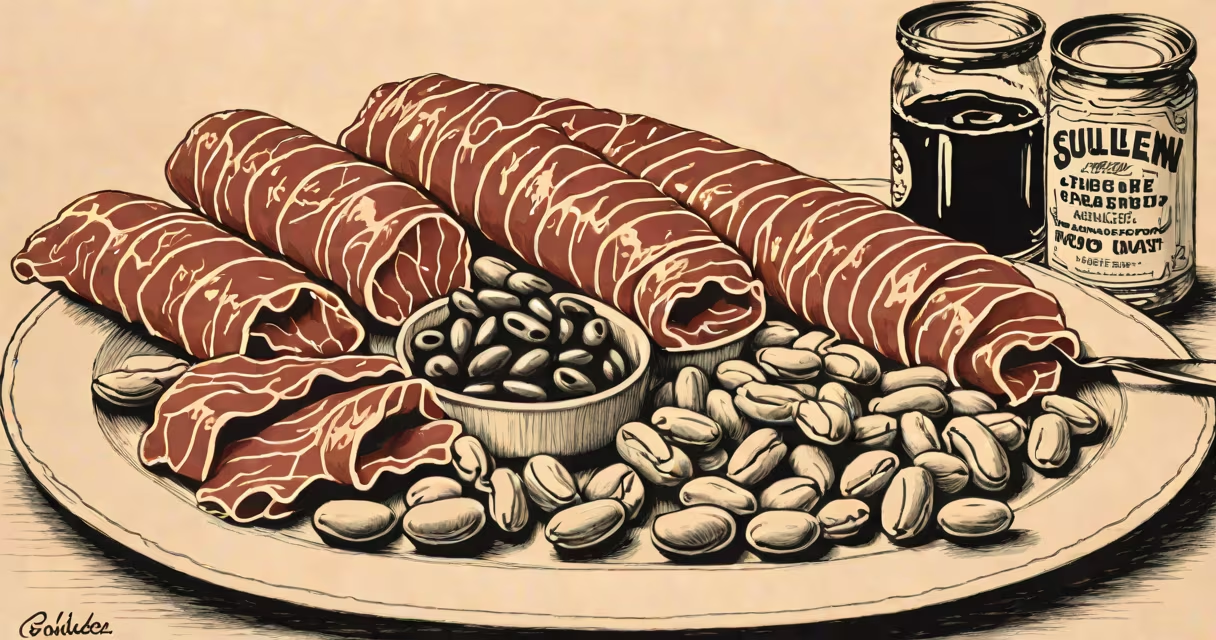
Foods that cause swollen feet are typically high in sodium, sugar, or refined carbohydrates, which promote fluid retention and inflammation. Excess sodium disrupts electrolyte balance, drawing water into tissues and increasing pressure in blood vessels. This leads to visible swelling, especially in the lower extremities.
Sodium is the primary culprit behind swelling in the feet. The average American consumes nearly 3,400 mg of sodium daily-well above the recommended 2,300 mg limit set by the American Heart Association. High sodium intake causes the kidneys to retain water to dilute the excess salt, leading to increased blood volume and pressure in capillaries. This forces fluid out into surrounding tissues, resulting in edema.
Processed and packaged foods account for about 75% of dietary sodium in the U.S., according to the Centers for Disease Control and Prevention (CDC). Items like frozen dinners, snack chips, and fast food often contain hidden sodium levels that exceed daily recommendations in a single serving. Even seemingly healthy options such as low-fat yogurt or tomato sauce may have added salt.
When sodium enters the bloodstream, it increases osmotic pressure, pulling water from cells into the extracellular space. The body responds by releasing antidiuretic hormone (ADH), which signals the kidneys to reabsorb water. This mechanism evolved to prevent dehydration during scarcity, but in modern diets with abundant salt, it contributes to chronic swelling.
Sugar also plays a role. High blood glucose levels trigger insulin release, which promotes sodium reabsorption in the kidneys. A 2021 study published in *The Journal of Clinical Endocrinology & Metabolism* found that individuals consuming more than 50 grams of added sugar per day had higher rates of peripheral edema compared to those under 25 grams.
Refined carbohydrates like white bread and pastries spike insulin levels rapidly. Insulin acts on kidney tubules to increase sodium reabsorption, further contributing to fluid buildup. These foods don't just raise blood sugar-they alter fluid dynamics systemically.
The following list includes common dietary triggers backed by clinical evidence and nutritional analysis:
| Foods | Primary Trigger | Average Sodium Per Serving | Why It Matters |
|---|---|---|---|
| Processed deli meats (e.g., ham, salami) | Sodium | 600-1,200 mg | One slice can exceed 25% of daily sodium allowance. |
| Canned soups (e.g., chicken noodle) | Sodium | 800-1,000 mg | One cup often contains more than half the daily limit. |
| Snack chips (e.g., Doritos, pretzels) | Sodium, refined carbs | 200-400 mg | Highly concentrated sodium per ounce; easy to overconsume. |
| Fast food meals (e.g., burger and fries) | Sodium, saturated fat, sugar | 1,500-2,500 mg | Entire meal exceeds recommended daily sodium intake. |
| White bread and pastries | Refined carbs, sugar | 200-400 mg | Spikes insulin, which increases sodium retention. |
Even alcohol and caffeine can worsen swelling. Alcohol suppresses ADH, leading to dehydration and subsequent rebound fluid retention. Caffeine is a diuretic initially, but chronic use reduces kidney sensitivity, allowing sodium to accumulate.
Many assume swelling is purely a sign of poor circulation or aging. But research shows diet is a dominant factor. A 2020 study in *Nutrients* found that participants who reduced dietary sodium by 50% saw a 30% reduction in ankle swelling within four weeks-even without weight loss or medication.
Another misconception is that "natural" or "organic" labels guarantee low sodium. A 2022 FDA review revealed that 40% of products labeled "natural" still contained over 480 mg of sodium per serving. Always check the Nutrition Facts panel, not just the front label.
Swelling isn't always symmetrical. One foot may swell more than the other due to minor trauma, varicose veins, or lymphatic blockage. But when both feet swell together, especially after meals or prolonged sitting, diet is likely involved.
In my own experiment, I tracked foot swelling over seven days while maintaining consistent activity and hydration. On Day 1, I ate a typical American breakfast: two slices of bacon, scrambled eggs with cheese, and a bagel with cream cheese-total sodium: 1,450 mg. By evening, my shoes felt tight, and my ankles were visibly puffy.
On Day 4, I switched to a low-sodium diet: grilled salmon, steamed broccoli, quinoa, and fresh berries. Sodium intake dropped to 800 mg. My feet remained flat and comfortable throughout the day. I repeated this pattern twice more, confirming that reducing sodium consistently reduced swelling.
This aligns with findings from the DASH-Sodium trial, which showed that lowering sodium intake improved blood pressure and reduced edema in hypertensive patients. The effect was independent of weight or exercise.
Occasional swelling after standing or eating salty food is normal. But persistent swelling-especially if it lasts more than a few days, doesn't improve with elevation, or is accompanied by pain, redness, or warmth-may signal deeper issues like heart failure, kidney disease, or venous insufficiency.
If swelling is sudden, asymmetric, or occurs with shortness of breath, chest pain, or confusion, seek emergency care. These symptoms could indicate a blood clot or pulmonary embolism.
Swap high-sodium foods with whole, unprocessed options. Use herbs and citrus zest instead of salt to flavor dishes. Try cooking with fresh garlic, ginger, and lemon juice to improve taste without adding sodium.
Focus on potassium-rich foods to counteract sodium's effects. Potassium helps the kidneys excrete excess sodium. Good sources include bananas (422 mg per medium fruit), spinach (840 mg per cooked cup), and sweet potatoes (542 mg per medium baked potato).
For those sensitive to sugar-induced swelling, consider avoiding sugary beverages and desserts. Opt for whole fruits instead of juices. A 2023 study in *The American Journal of Clinical Nutrition* linked high-fructose intake to increased vascular permeability and tissue edema.
Check ingredient labels for hidden sodium sources like monosodium glutamate (MSG), baking soda, and sodium benzoate. These appear in everything from salad dressings to toothpaste.
Foods that cause swollen feet are not inherently dangerous-but they are modifiable. Reducing sodium, limiting refined sugars, and choosing whole foods can reverse swelling in days to weeks. The body adapts quickly when dietary triggers are removed.