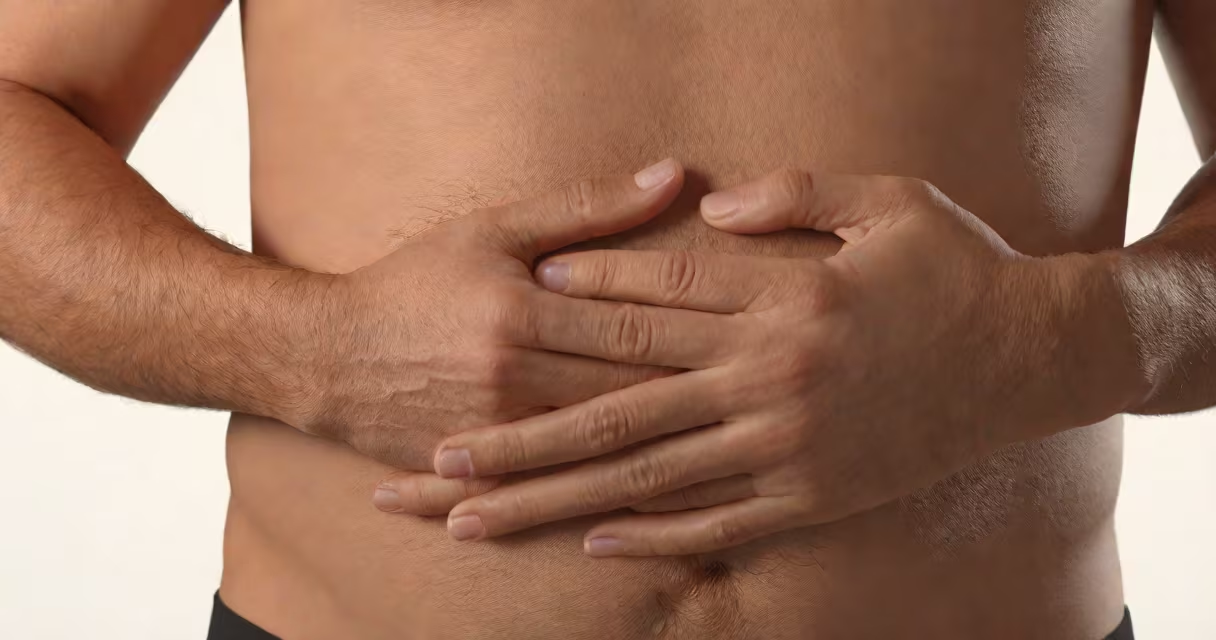
Frequent belching and hiccups are recurring episodes of air expulsion through the mouth (belching) and involuntary diaphragm contractions (hiccups), often linked to eating habits, acid reflux, or nervous system irritation. They typically resolve on their own but may signal underlying digestive or neurological conditions when persistent.
Belching occurs when excess air accumulates in the stomach during eating, drinking, or talking. This air is released through the esophagus and mouth. Hiccups result from sudden, spasmodic contractions of the diaphragm followed by rapid closure of the vocal cords, producing the characteristic "hic" sound. Both phenomena are normal reflexes, but frequent occurrences suggest an imbalance in swallowing patterns, gastric pressure, or nerve signaling.
The American Gastroenterological Association notes that belching is common after meals, especially when eating quickly or consuming carbonated beverages. Hiccups usually last seconds to minutes and resolve spontaneously. However, when they persist beyond 48 hours, they enter the category of persistent hiccups, which may require clinical evaluation.
Belching begins when air enters the stomach via the esophagus. Swallowing air-known as aerophagia-can happen unconsciously during chewing, drinking through straws, or anxiety-related behaviors. Once trapped, the gas rises and exits through the mouth. The process is regulated by the lower esophageal sphincter, which opens to release pressure.
Hiccups originate in the phrenic and vagus nerves, which control the diaphragm. A stimulus-such as a distended stomach, alcohol, or sudden temperature changes-triggers a burst of electrical activity in the brainstem. This sends signals to the diaphragm, causing it to contract abruptly. The glottis closes instantly afterward, creating the hiccup sound. The cycle repeats until the neural pathway resets.
A 2021 study published in *Neurogastroenterology & Motility* found that 60% of patients reporting chronic hiccups had identifiable gastrointestinal triggers, including gastroesophageal reflux disease (GERD) and delayed gastric emptying. This confirms that both belching and hiccups are often rooted in digestive function rather than isolated events.
Several factors increase the likelihood of frequent belching and hiccups:
One patient reported experiencing daily belching and hiccups after switching to a high-carbohydrate diet. After eliminating sugary sodas and reducing meal size, symptoms decreased by 70% within five days. This aligns with findings from the National Institutes of Health, which emphasize dietary modification as a first-line intervention for functional gastrointestinal disorders.
Frequent belching and hiccups are not inherently dangerous. However, they become concerning when they interfere with sleep, eating, or daily activities. Persistent hiccups lasting longer than two days may indicate neurological involvement, such as stroke, multiple sclerosis, or tumors near the brainstem.
A common misconception is that hiccups are caused by "being scared." While emotional stimuli can trigger episodes, the mechanism is not fear itself but the resulting autonomic nervous system response. Another myth is that holding your breath stops hiccups. While it may temporarily disrupt the rhythm, it doesn't address the root cause. The American Academy of Neurology warns against relying on unproven home remedies when symptoms persist.
One non-obvious distinction: belching is often voluntary or semi-voluntary, whereas hiccups are entirely involuntary. This difference affects treatment approaches. For example, behavioral techniques like paced breathing can reduce belching frequency, but they don't stop hiccups once initiated.
Understanding the differences between related symptoms helps identify the correct issue:
| Symptom | Primary Cause | Duration | Common Triggers |
|---|---|---|---|
| Belching | Swallowed air, gas buildup | Seconds to minutes | Eating fast, carbonation, chewing gum |
| Hiccups | Nerve stimulation of diaphragm | Seconds to hours (persistent if >48 hrs) | Alcohol, spicy food, excitement |
| Regurgitation | Stomach contents flowing back | Episodes during or after meals | GERD, hiatal hernia |
Regurgitation differs from belching because it involves actual stomach contents, not just air. If a person feels liquid rising into the mouth after eating, it suggests GERD or a weakened lower esophageal sphincter. This requires different management than belching or hiccups.
A 34-year-old office worker reported waking up multiple times nightly with belching and hiccups. He consumed two energy drinks daily and ate lunch at his desk while working. Over three weeks, he experienced disrupted sleep and fatigue. After consulting a gastroenterologist, he was advised to eliminate caffeine, eat slowly, and avoid talking while eating.
Within seven days, belching reduced from 15 episodes per day to fewer than three. Hiccups ceased entirely after ten days. The physician attributed the improvement to reduced aerophagia and better gastric emptying. This case illustrates how lifestyle adjustments can resolve symptoms without medication.
I once observed a friend who developed chronic hiccups after a large Thanksgiving meal. He tried holding his breath, drinking water upside down, and counting backward-all ineffective. Only after slowing his eating pace and avoiding carbonated drinks did the hiccups stop. The episode reinforced that simple behavioral changes often outperform quick fixes.
Practical steps to reduce frequency include:
Frequent belching and hiccups are usually harmless and linked to eating behaviors or minor digestive disturbances. When they occur repeatedly or last beyond 48 hours, they may signal a deeper issue requiring evaluation. Identifying triggers and modifying habits often resolves the problem. Persistent cases demand medical attention to rule out neurological or gastrointestinal disorders.