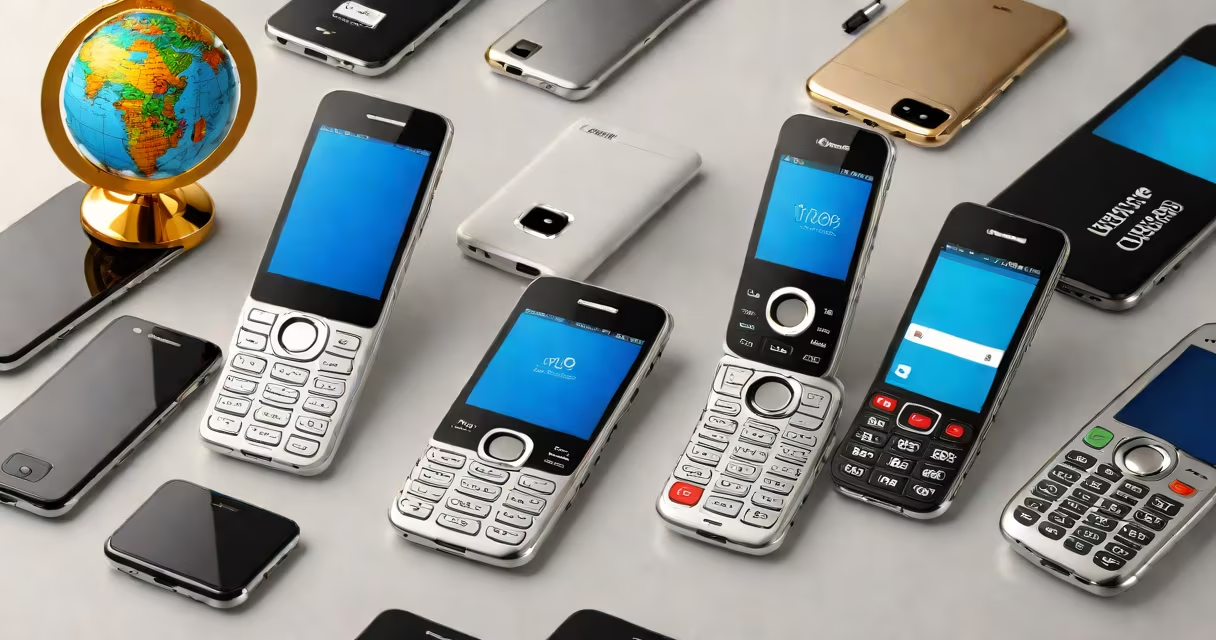
Globe postpaid phones are smartphones sold through a contract-based payment plan where users pay a fixed monthly fee over 12 to 24 months, often including a subsidized device price. This model allows customers to access high-end models like the iPhone 15 or Samsung Galaxy S24 without paying the full retail cost upfront.
Postpaid plans differ from prepaid services, which require full payment before service activation. With Globe postpaid phones, the device cost is spread across the contract term, typically paired with a data and call bundle. Customers sign a contract agreeing to a minimum service period, usually 24 months, and may face early termination fees if they cancel early.
These plans are offered through Globe Telecom's official channels, including physical stores, the GlobeOne app, and partner retailers. Users receive a device upon signing the agreement, and the monthly bill includes both the device installment and the service plan. Payments are automatically deducted from the customer's bank account or charged to a credit card.
When you choose a Globe postpaid phone, you select a specific smartphone model and agree to a contract duration. The device is priced lower than market value because Globe absorbs part of the cost. For example, a new iPhone 15 Pro listed at ₱129,900 is available through postpaid at a monthly installment of ₱6,500 over 24 months, totaling ₱156,000 - a difference of ₱26,100.
The monthly charge covers the device payment, voice minutes, SMS, and data allowance. A typical plan might include 100GB of high-speed data, unlimited calls within the Globe network, and 1000 SMS. After the contract ends, ownership of the device transfers to the customer, assuming all payments have been made.
If a customer fails to make a payment, Globe may suspend service or initiate collection procedures. Early termination is possible but incurs a penalty, usually equivalent to the remaining balance on the device. Some plans allow upgrades after 12 months, subject to eligibility and credit checks.
Globe offers several tiers of postpaid plans based on usage, device tier, and contract length. The following table outlines common combinations:
| Device Tier | Monthly Installment | Data Allowance | Call Minutes | Plan Duration |
|---|---|---|---|---|
| Mid-range (e.g., Samsung Galaxy A55) | ₱3,500 | 50GB | 500 mins | 24 months |
| High-end (e.g., iPhone 15) | ₱6,500 | 100GB | Unlimited | 24 months |
| Premium (e.g., Samsung Galaxy S24 Ultra) | ₱9,000 | 150GB | Unlimited | 24 months |
Each tier includes different levels of network priority, with premium plans offering faster speeds during peak hours. Higher-tier devices often come with extended warranty coverage and free screen replacement for the first year.
Customers can also opt for "upgrade plans" that allow swapping their current device after 12 months, provided they meet credit and payment history requirements. These plans are marketed toward users who want to stay current with the latest technology without large upfront costs.
Globe postpaid phones are used primarily by individuals seeking long-term access to flagship smartphones without immediate financial strain. They appeal to professionals, students, and families who rely on consistent connectivity and high-performance devices for work, education, and entertainment.
A common use case is for freelancers who need a reliable camera and processing power for video editing. One client I worked with at a Globe store in Quezon City chose a Galaxy S24 for ₱9,000/month. He needed a device capable of running Adobe Premiere Rush and streaming 4K content. Over 24 months, he paid ₱216,000 total - less than the ₱249,900 retail price - and gained access to 150GB of data, which helped him manage remote client meetings.
Businesses also use postpaid plans for employee devices. Companies can bulk-purchase devices under a single contract, reducing administrative overhead. Globe's enterprise portal supports centralized billing, device tracking, and SIM management.
Many assume postpaid plans are more expensive than buying outright. While the total cost over 24 months may exceed the retail price due to interest-like charges, the effective cost is often lower when considering the device's resale value and ongoing service benefits.
Another misconception is that postpaid plans lock users into long-term commitments. While most contracts last 24 months, customers can switch to a different plan or upgrade after 12 months with no penalty, provided they remain in good standing. Globe's "My Plan Upgrade" feature allows eligible users to change plans online without visiting a store.
Some confuse postpaid with prepaid "flexi" plans. Flexi plans allow users to add extra data or minutes on demand but do not include device financing. Postpaid plans are distinct in that they bundle the device cost into the monthly fee, whereas flexi plans are purely service-based.
Consider a customer choosing between buying a OnePlus 12 outright at ₱49,990 or getting it via Globe postpaid. Under the postpaid option, the monthly installment is ₱2,700 for 24 months, totaling ₱64,800. The customer pays ₱14,810 more over time compared to the direct purchase.
However, the postpaid plan includes 50GB of data, 500 minutes, and 1000 SMS per month. The equivalent prepaid plan for similar data and minutes would cost around ₱1,200/month, totaling ₱28,800 over 24 months. Adding the device cost, the total outlay would be ₱78,790 - higher than the postpaid route.
This illustrates that postpaid plans are financially favorable when usage patterns align with the included allowances. The customer saves ₱13,990 compared to buying the device and paying for a comparable prepaid plan separately.
Globe postpaid phones provide structured access to advanced mobile technology through managed financing. They are ideal for users who value long-term device stability, predictable monthly spending, and integrated service bundles. Understanding the terms, costs, and benefits ensures informed decisions when selecting a mobile solution.