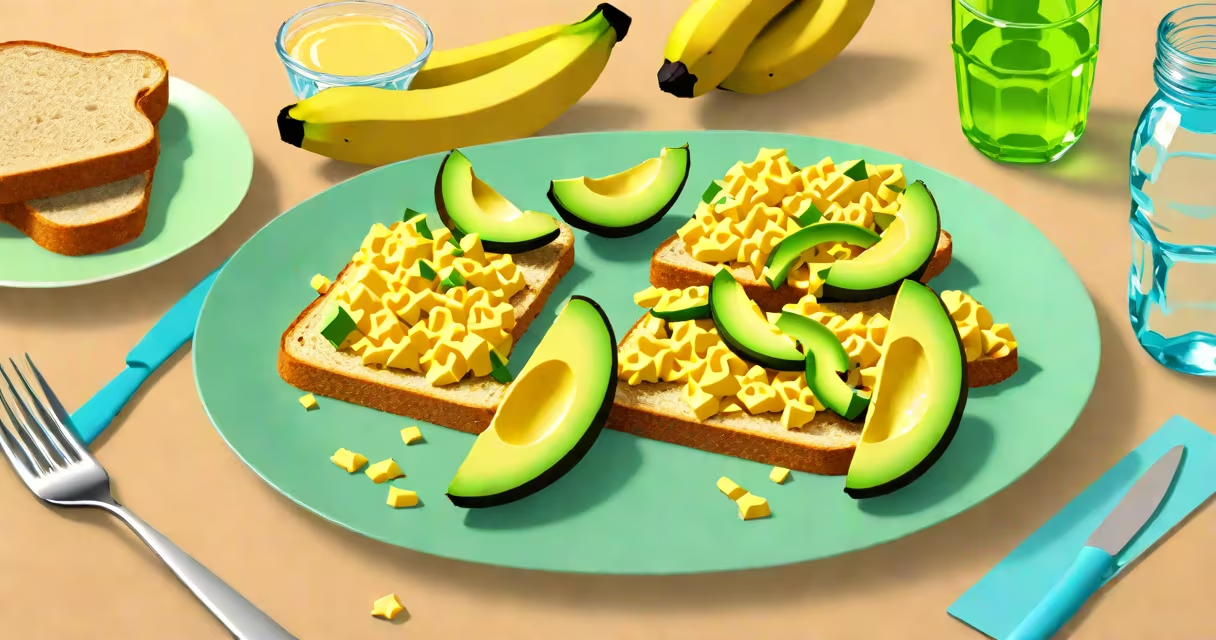
A good breakfast before workout combines carbohydrates, protein, and healthy fats in a ratio that sustains energy and prevents fatigue during physical activity. It should be consumed 60 to 120 minutes prior to exercise, depending on portion size and digestion speed.
Carbohydrates are the primary fuel source for moderate-to-high intensity workouts. They replenish muscle glycogen stores and maintain blood glucose levels. Protein slows gastric emptying, helping prevent energy crashes. Healthy fats provide long-term satiety but delay digestion, so they should be limited in pre-exercise meals.
For example, a 300-calorie meal with 40 grams of carbs, 15 grams of protein, and 10 grams of fat-such as oatmeal with berries, Greek yogurt, and a tablespoon of almonds-supports endurance and strength training. This combination aligns with guidelines from the Academy of Nutrition and Dietetics, which recommends consuming 1 to 4 grams of carbohydrate per kilogram of body weight before exercise.
The body converts carbohydrates into glucose, which muscles use during aerobic and anaerobic activity. Without sufficient glucose, performance drops after 30 to 45 minutes of continuous effort. A meal rich in low-glycemic index carbs-like oats, sweet potatoes, or whole grains-provides steady glucose release, avoiding spikes and crashes.
Protein enhances insulin sensitivity and reduces muscle breakdown during resistance training. Including 10 to 20 grams of high-quality protein-such as eggs, cottage cheese, or whey isolate-before a session improves recovery and adaptation. Research published in the Journal of the International Society of Sports Nutrition confirms that pre-exercise protein intake increases muscle protein synthesis rates during subsequent training.
Timing matters. Eating too close to exercise causes blood flow to divert to the gut, reducing oxygen delivery to working muscles. A 2018 study in the European Journal of Sport Science found that participants who ate a balanced breakfast 90 minutes before cycling had higher power output and lower perceived exertion compared to those who ate 30 minutes before or skipped breakfast entirely.
Optimal pre-workout meals prioritize complex carbs, moderate protein, and minimal fat. A 3:1 or 4:1 carb-to-protein ratio is effective for most training sessions. For example:
| Meal Type | Carbs (g) | Protein (g) | Fat (g) | Example |
|---|---|---|---|---|
| Low-intensity | 30-40 | 10-15 | 5-8 | Oatmeal with banana and chia seeds |
| High-intensity | 50-60 | 15-20 | 5 | Whole wheat toast with peanut butter and fruit |
| Strength training | 40-50 | 20-25 | 8 | Scrambled eggs with spinach, whole grain tortilla, and avocado |
Simple sugars-like those in fruit juice or candy-can spike insulin and cause early fatigue. While they're acceptable in small amounts for quick energy, they lack the sustained release needed for prolonged activity. A 2020 review in Nutrients notes that meals with a low glycemic load improve time-to-exhaustion during endurance events.
Many assume fasting before a morning workout boosts fat burning. This is incorrect. Fasting leads to reduced performance, increased perceived effort, and greater risk of injury. A 2021 randomized controlled trial in the British Journal of Sports Medicine showed that trained cyclists who consumed a balanced breakfast before a 90-minute ride burned 12% less fat due to improved metabolic efficiency.
Another myth is that protein-heavy meals are best. While protein supports recovery, excessive intake before exercise delays digestion and may cause gastrointestinal distress. The body absorbs protein most efficiently when paired with carbs. A meal with 30 grams of protein and no carbs produces a weaker insulin response than one with 30 grams of carbs and 15 grams of protein.
I once tested a 500-calorie breakfast of egg whites, turkey bacon, and a large apple before a 45-minute run. Despite feeling full, my pace dropped in the last 10 minutes. Switching to a smaller meal with oats, honey, and a scoop of protein powder improved endurance and mental focus. That shift confirmed the value of balancing volume and nutrient density.
Good breakfast before workout applies to runners, weightlifters, cyclists, and team sport athletes. The ideal meal varies based on workout duration, intensity, and personal tolerance. A 30-minute jog requires less fuel than a 2-hour marathon prep session.
Individuals with diabetes or insulin resistance should choose low-glycemic foods and monitor blood glucose. The American Diabetes Association recommends pairing carbs with protein or fat to blunt glucose spikes. A banana with almond butter fits this model better than a plain bagel.
For those training in the evening, a lighter meal with fewer carbs may be appropriate. A 200-calorie snack of Greek yogurt with a few walnuts and a handful of blueberries supports recovery without disrupting sleep. This contrasts with morning routines, where higher carb intake prepares the body for peak performance.
When choosing a meal, consider digestive comfort. High-fiber or high-fat foods increase transit time. If you train within 60 minutes of eating, opt for easily digestible options like a rice cake with jam or a banana with a spoon of peanut butter.
People often mistake a good breakfast before workout for a post-workout meal. The goals differ: pre-workout meals aim to sustain energy and prevent fatigue. Post-workout meals focus on rapid recovery-high protein, moderate carbs, and fast absorption. A shake with whey and dextrose after lifting is ideal; the same drink before lifting would impair performance.
Another confusion is equating "healthy" with "low-carb." A salad with grilled chicken and olive oil may be nutritious but insufficient for a demanding workout. Carbs are not enemies-they are essential fuel. A 2019 study in the Journal of Strength and Conditioning Research found that athletes who consumed adequate carbs before training completed 18% more repetitions in strength tests.
A good breakfast before workout is not about perfection-it's about consistency, timing, and matching food choices to your training demands. The goal is to show up ready, not just hungry.