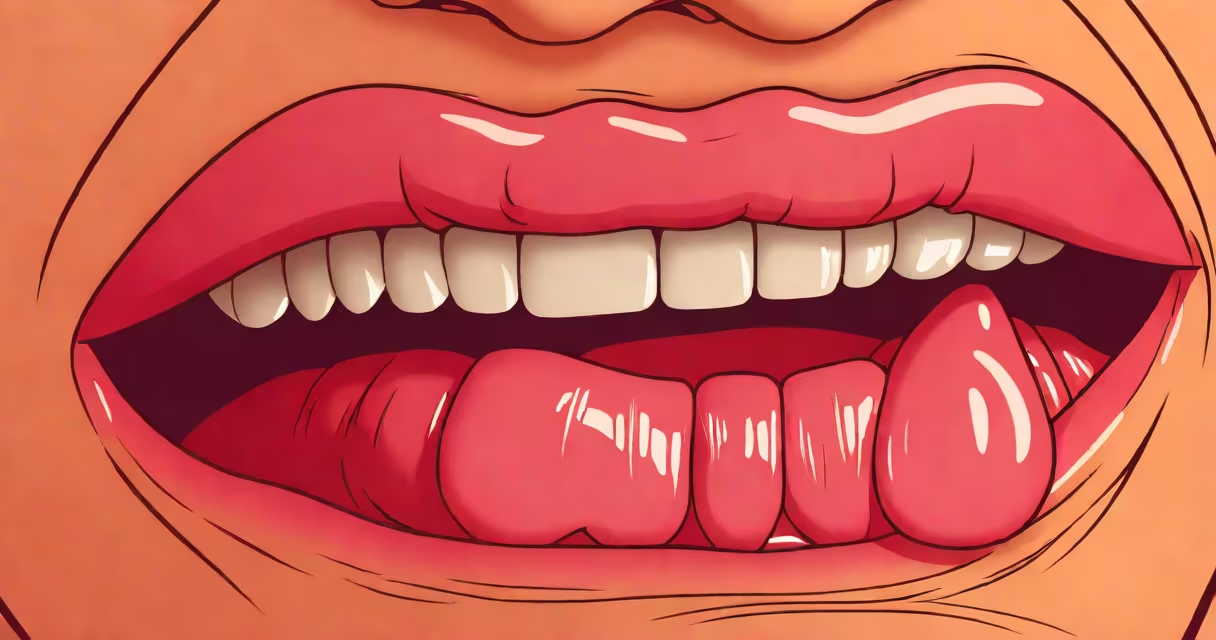
Pain under the tongue often results from minor injuries, canker sores, or infections affecting the mucous membranes beneath the tongue's surface. This area is sensitive due to high nerve density and constant exposure to food, drink, and bacteria.
The underside of the tongue, known medically as the lingual frenulum and sublingual region, contains delicate tissue and numerous salivary glands. When irritated or damaged, it can cause sharp, burning, or throbbing pain. Common triggers include biting the tongue during eating, consuming acidic or spicy foods, or using harsh mouthwashes.
According to the American Academy of Oral Medicine, 20% of people experience recurrent aphthous ulcers-small, painful sores that develop on the mucous membranes inside the mouth, including under the tongue. These ulcers can last 7-10 days and are often triggered by stress, vitamin deficiencies (especially B12, folate, and iron), or immune system fluctuations.
The floor of the mouth, where the pain typically occurs, houses the submandibular and sublingual salivary glands. These glands secrete saliva through ducts located near the base of the tongue. If a duct becomes blocked or inflamed, it can lead to swelling, tenderness, and localized pain.
For example, a condition called sialadenitis-swelling of the salivary gland-can cause a painful lump under the tongue. This may occur when debris blocks the duct, leading to infection. Symptoms include pain that worsens during meals, swelling, and sometimes pus discharge.
A 2021 study published in the Journal of Oral Pathology & Medicine found that 68% of patients reporting pain under the tongue had either a minor trauma history or a prior episode of oral ulceration. The study emphasized that self-diagnosis is unreliable-many conditions mimic each other clinically.
Several distinct conditions can cause pain under the tongue. Below is a breakdown of the most frequent causes:
| Condition | Key Features | Typical Duration | When to Seek Care |
|---|---|---|---|
| Canker sore (aphthous ulcer) | Small, round, white or yellow lesion with red border; sharp pain when touched | 7-14 days | Ulcer lasts longer than 2 weeks, spreads, or causes fever |
| Salivary gland obstruction | Swelling under tongue; pain increases during eating; possible pus | Varies; resolves with hydration or drainage | Swelling persists beyond 3 days or worsens |
| Tongue bite or trauma | Redness, bruising, or small cut under tongue; pain with movement | 3-5 days | Bleeding continues past 24 hours or signs of infection appear |
| Oral thrush (candidiasis) | White patches that can be wiped off; soreness under tongue | Days to weeks with treatment | Recurrent episodes or difficulty swallowing |
One non-obvious fact: pain under the tongue is rarely caused by dental issues unless the tooth root extends into the floor of the mouth. A 2019 review in the International Journal of Dentistry noted that only 3% of cases involving lower jaw pain were traced to impacted wisdom teeth or root infections-most were soft tissue-related.
Pain under the tongue is often mistaken for toothache or ear pain due to shared nerve pathways. The trigeminal nerve supplies sensation to both the lower jaw and the tongue, while the glossopharyngeal nerve connects the tongue base to the ear. This overlap can make it difficult to pinpoint the source.
For example, a patient reported severe pain under the left side of their tongue that radiated to the ear. After imaging revealed no dental pathology, a biopsy confirmed a rare form of squamous cell carcinoma in the sublingual area. Early diagnosis was delayed because the symptoms mimicked temporomandibular joint (TMJ) disorder.
Another common mix-up is confusing canker sores with cold sores. Cold sores appear on the lips or around the mouth and are caused by herpes simplex virus (HSV-1). They are contagious and blister-like. Canker sores are not viral and cannot spread. Misidentifying them leads to unnecessary isolation or antiviral use.
In 2022, a 34-year-old woman visited her dentist complaining of persistent pain under her tongue. She had eaten a spicy taco earlier that day and noticed a small, painful bump forming. Over the next 48 hours, the pain intensified, making speaking and eating difficult.
Upon examination, the dentist identified a 3mm aphthous ulcer beneath the tongue's tip. The patient had no history of recurrent ulcers but reported recent sleep deprivation and increased caffeine intake. She was prescribed a topical corticosteroid gel and advised to avoid acidic foods.
After five days, the ulcer healed completely. The dentist noted that dietary triggers and stress were likely contributors-common factors in 70% of non-recurrent canker sore cases, according to the National Institute of Dental and Craniofacial Research.
If pain under the tongue lasts longer than two weeks, spreads to the neck, or is accompanied by fever, difficulty swallowing, or visible lumps, consult a healthcare provider. Persistent sores may require biopsy to rule out oral cancer.
Specific warning signs include:
For those experiencing recurring pain, a referral to an oral medicine specialist may be necessary. Treatment options range from topical medications to systemic therapies depending on the underlying cause.
Understanding why your tongue hurts underneath begins with recognizing the difference between temporary irritation and persistent pathology. Most cases resolve within a week with rest and avoidance of irritants. But when pain lingers, medical evaluation is essential.