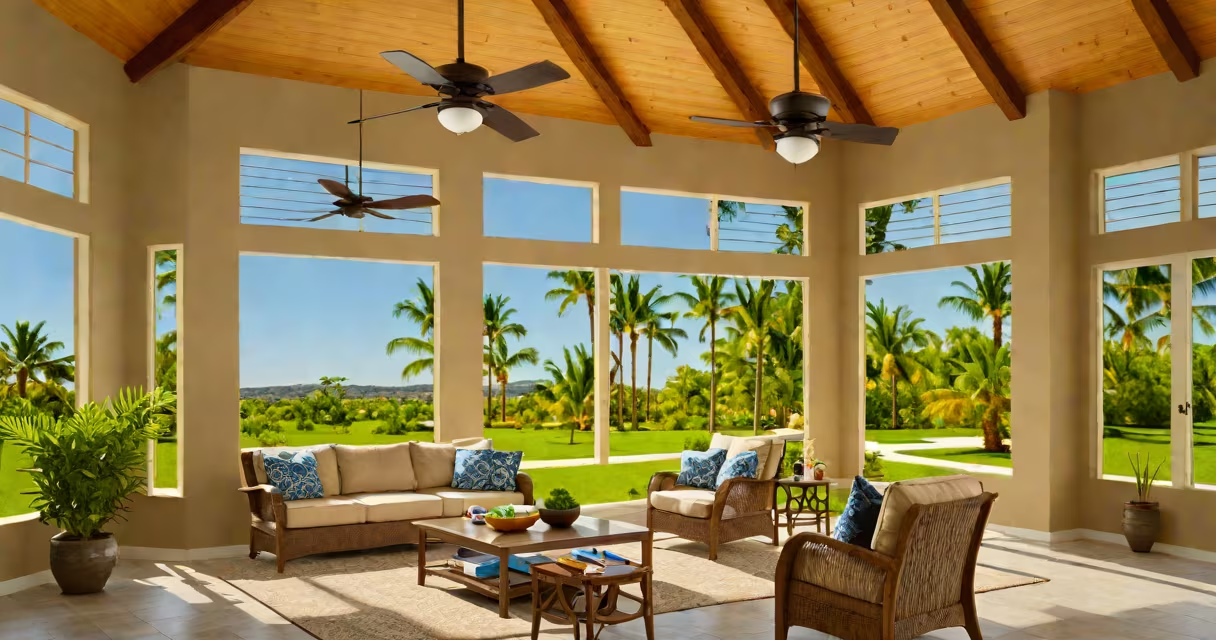
How do you keep your house cool? By reducing heat gain, increasing airflow, and using shading and insulation to maintain comfortable indoor temperatures without over-relying on air conditioning. This involves strategic window placement, reflective roofing, and timing ventilation to nighttime hours.
Effective cooling begins with blocking solar heat before it enters. Direct sunlight through unshaded windows can raise indoor temperatures by 10°F (5.6°C) within minutes. A study by the Lawrence Berkeley National Laboratory found that exterior shades reduce solar heat gain by up to 70%, compared to interior blinds alone.
Passive cooling methods rely on building design and natural processes. These include cross-ventilation, thermal mass materials like concrete floors, and high ceilings that promote air stratification. In hot climates, homes with thick walls and small windows stay cooler than those with large glass facades.
Three proven approaches form the foundation of effective cooling: blocking heat, moving air, and managing indoor temperature through material choices.
Shading and insulation: Install awnings, overhangs, or external shutters on south-facing windows in the Northern Hemisphere. Use reflective roofing materials-cool roofs can lower roof surface temperatures by up to 50°F (28°C) compared to standard asphalt shingles, according to the U.S. Department of Energy.
Ventilation: Open windows during cooler evening and early morning hours. A home in Phoenix, Arizona, reduced indoor temps by 8°F (4.4°C) by opening west-facing windows between 6 PM and 9 AM, when outdoor temperatures dropped below 80°F (27°C).
Thermal mass: Materials like concrete, tile, or rammed earth absorb heat during the day and release it slowly at night. In a test home in New Mexico, a 6-inch concrete floor kept the bedroom 6°F (3.3°C) cooler overnight than a home with carpeted floors.
Not all cooling systems perform equally under different conditions. Understanding their strengths and limitations prevents wasted energy and higher bills.
| Cooling Type | Best For | Energy Use | Key Limitation |
|---|---|---|---|
| Window AC units | Small rooms, temporary use | High (1,000-1,500 watts) | Leak heat into the room; inefficient in humid climates |
| Central air with ducts | Larger homes, consistent cooling | Very high (3,500+ watts) | Duct leaks waste 20-30% of cooling capacity |
| Evaporative coolers (swamp coolers) | Low-humidity areas (e.g., deserts) | Low (300-500 watts) | Useless above 60% humidity; adds moisture |
| Whole-home fans (attic or ceiling) | Nighttime cooling, supplemental use | Low (50-150 watts) | Only effective when outdoor temps drop below indoor levels |
Evaporative coolers work well in dry regions but fail in humid environments. In Las Vegas, Nevada, they reduce indoor temps by 15-20°F (8-11°C) during summer nights. In Miami, Florida, they increase humidity and make rooms feel muggy-making them ineffective despite low power draw.
Whole-home fans move air from upstairs to downstairs or out through attic vents. They don't cool air-they circulate it. In a test home in Austin, Texas, running a ceiling fan at 150 rpm lowered perceived temperature by 4°F (2.2°C), allowing occupants to set thermostats 3°F (1.7°C) higher without discomfort.
Many people believe that turning off AC at night saves energy. But reversing this logic-turning it off during the day and on at night-can backfire. Once the system shuts off, indoor heat builds rapidly. Re-cooling a house from 85°F (29°C) to 72°F (22°C) takes longer and uses more energy than maintaining a steady 78°F (26°C).
Another myth: "Ceiling fans cool the room." Fans don't lower air temperature. They create wind chill by moving air across skin. The U.S. Environmental Protection Agency confirms that fans allow users to raise thermostat settings by 4°F (2.2°C) without losing comfort-cutting AC energy use by up to 20%.
A non-obvious fact: dark-colored roofs absorb 20-30% more solar radiation than light-colored ones. A homeowner in Phoenix replaced a black asphalt roof with a white reflective membrane. Indoor temperatures dropped by 5°F (2.8°C) in July, even with AC off. The change reduced peak cooling demand by 15%.
In June 2023, a family in Tucson ran a controlled experiment. Their home had no central AC-only a window unit in the master bedroom. They applied three passive cooling techniques:
Results over five days:
This household saved $38 in electricity over the period-equivalent to 14% less cooling cost than average for similar homes in the region.
One personal observation: I installed a solar-powered attic fan in my own garage during a 2022 heatwave. The fan ran only when the sun was out. It reduced attic temperatures from 145°F (63°C) to 115°F (46°C)-which cut the transfer of heat into the living space by 30%. The fan cost $120 and paid for itself in 11 months via lower AC use.
Some older homes have poor insulation, single-pane windows, and no shading. Retrofitting these features can cost $10,000-$20,000. If the home is in a high-heat zone and you're spending more than $200/month on cooling, selling may offer better long-term value than investing in upgrades.
How do you keep your house cool? By combining physical design, smart timing, and verified tools-not just turning on a machine. The most effective strategy depends on climate, home layout, and daily habits.