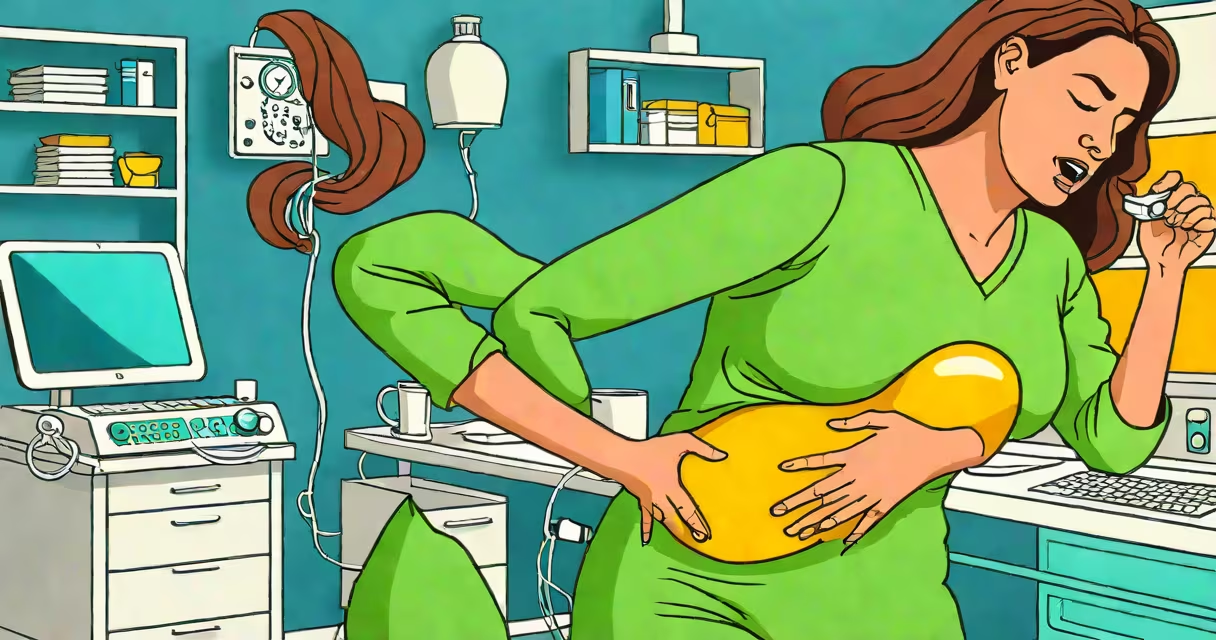
A gallbladder attack is dangerous when it causes complications such as acute cholecystitis, bile duct obstruction, or gallbladder rupture. These conditions require immediate medical treatment and can lead to sepsis or death if untreated.
Gallbladder attacks occur when gallstones block the cystic duct, preventing bile from exiting the gallbladder. This blockage causes intense pain in the upper right abdomen, often radiating to the back or shoulder. Attacks typically last 15 minutes to several hours and may be triggered by fatty meals.
The condition is medically known as biliary colic. While mild episodes may resolve on their own, recurrent attacks increase the risk of severe complications. According to the National Institute of Diabetes and Digestive and Kidney Diseases (NIDDK), about 10% of people with gallstones develop symptoms each year, and 1% progress to acute cholecystitis requiring hospitalization.
When a gallstone obstructs the cystic duct, pressure builds inside the gallbladder. The organ contracts forcefully to expel bile, causing sharp, cramping pain. This process triggers inflammation and can damage the gallbladder wall if the blockage persists.
Pain usually begins suddenly after eating, especially high-fat foods. It intensifies over 30 to 60 minutes and may last for several hours. Common locations include the right upper quadrant of the abdomen, beneath the right rib cage, and sometimes the center of the belly or between the shoulder blades.
Not all gallbladder attacks are equal. A single episode of biliary colic may not be life-threatening. However, if the blockage lasts longer than 6 hours, the risk of tissue damage increases. The American College of Gastroenterology notes that prolonged obstruction can lead to necrosis (tissue death) in the gallbladder wall.
Complications arise when the gallbladder becomes inflamed, infected, or ruptures. These are serious and require urgent intervention.
| Complication | Risk Level | Common Symptoms | Medical Action Required |
|---|---|---|---|
| Acute cholecystitis | High | Constant pain, fever, nausea, vomiting | Hospitalization, antibiotics, surgery |
| Bile duct obstruction | High | Jaundice, dark urine, pale stools | ERCP or surgery to remove stone |
| Gallbladder perforation | Very high | Sudden worsening pain, rigidity, shock | Emergency surgery |
One non-obvious fact: gallstones can pass into the common bile duct and cause pancreatitis. This occurs in about 15% of cases with gallstones, according to the Mayo Clinic. Pancreatic inflammation can be fatal if not treated promptly.
Another misconception is that gallbladder attacks are always painful. Some people, particularly older adults or those with diabetes, may experience silent gallstones with no symptoms until complications arise. These individuals are at higher risk because they delay seeking care.
Seek immediate medical attention if you experience:
I once observed a patient who dismissed his gallbladder pain as indigestion. He waited 18 hours before going to the ER. By then, he had developed acute cholecystitis with a perforated gallbladder. He required emergency laparoscopic surgery and spent five days in intensive care. His recovery took over six weeks.
Early diagnosis reduces mortality. The NIDDK reports that prompt treatment lowers the risk of death from gallbladder complications to less than 1%. Delayed care increases that risk to over 10%.
Gallbladder attacks are often confused with heart attacks, appendicitis, or peptic ulcers. The location and timing help differentiate them.
Heart attacks typically cause left-sided chest pain that may radiate to the jaw or arm. Gallbladder pain is right-sided and worsens after eating. Appendicitis starts near the navel and migrates to the lower right side. Gallbladder pain remains localized.
Peptic ulcers cause burning pain in the upper middle abdomen, often relieved by food or antacids. Gallbladder pain is not eased by eating and may be worse after a meal.
For accurate diagnosis, doctors use ultrasound to detect gallstones and assess gallbladder function. Blood tests check for elevated liver enzymes or signs of infection. If uncertainty remains, a HIDA scan measures gallbladder ejection fraction.
After a gallbladder attack, most patients undergo cholecystectomy-the surgical removal of the gallbladder. This procedure is safe and effective, with a low complication rate. Recovery takes about two weeks.
Even after surgery, some people report changes in digestion, such as increased bowel movements after fatty meals. These effects are usually temporary and improve over time.
If you've had gallstones but no attacks, monitoring is advised. The American Society for Gastrointestinal Endoscopy recommends regular follow-up if you're asymptomatic. However, if you've had one attack, the likelihood of recurrence is 30% within five years.
It's also possible to have gallstones without a gallbladder. After cholecystectomy, stones can form in the bile ducts. This rare condition, called postcholecystectomy syndrome, affects about 5% of patients. If you continue to have pain after surgery, consult a gastroenterologist.
While not all gallbladder attacks are dangerous, ignoring warning signs increases the risk of life-threatening complications. Recognizing symptoms early and seeking timely care improves outcomes.
Is a gallbladder attack dangerous? Yes, when it progresses beyond biliary colic. Early recognition and medical evaluation are essential to prevent severe outcomes.