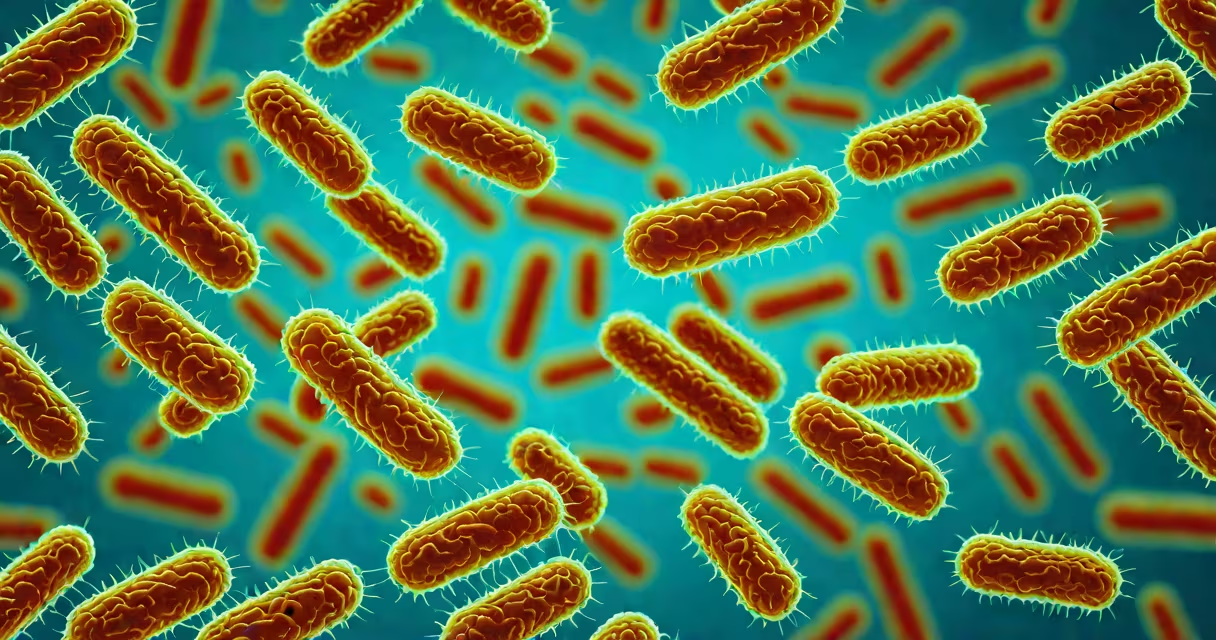
E. coli infection disrupts the digestive tract through toxin production, causing diarrhea, abdominal cramps, and potentially severe complications like hemolytic uremic syndrome (HUS), especially in children and the elderly. The bacteria enter the body via contaminated food or water, colonize the intestines, and release Shiga toxins that damage gut lining and red blood cells.
Most E. coli strains are harmless and live in the human gut. However, pathogenic strains such as O157:H7 produce Shiga toxins that bind to receptors on intestinal epithelial cells and endothelial cells in the kidneys. This binding triggers cell death, inflammation, and disruption of blood flow. The toxins also cause platelets to clump, leading to microvascular damage and kidney failure in severe cases.
The Centers for Disease Control and Prevention (CDC) reports that approximately 95,000 E. coli infections occur annually in the United States, with around 3,000 hospitalizations and 90 deaths. Symptoms typically appear within 3 to 4 days of exposure and last 5 to 10 days. Most cases resolve without antibiotics, which can worsen toxin release and increase HUS risk.
Pathogenic E. coli enters the body through ingestion of undercooked ground beef, unpasteurized milk, contaminated produce, or untreated water. Once in the small intestine, the bacteria attach to intestinal cells using fimbriae and begin multiplying. They secrete Shiga toxins (Stx1 and Stx2), which travel through the bloodstream and target organs with high levels of globotriaosylceramide (Gb3) receptors-primarily the kidneys and brain.
Shiga toxins inhibit protein synthesis in host cells by cleaving a specific ribosomal RNA sequence. This halts cellular function and induces apoptosis. In the gut, this leads to bloody diarrhea (hemorrhagic colitis), often accompanied by severe cramping. The toxin also damages endothelial cells in the renal glomeruli, causing microthrombi and reduced filtration capacity.
A 2021 study published in *The New England Journal of Medicine* found that patients with HUS had elevated serum levels of soluble CD163, a marker of macrophage activation, indicating systemic immune response. This suggests that the body's inflammatory reaction contributes to organ damage beyond direct toxin effects.
Initial signs of E. coli infection include sudden onset of watery diarrhea, progressing to bloody stools within 12 to 24 hours. Abdominal pain ranges from mild cramping to intense spasms. Fever is uncommon, distinguishing E. coli from other bacterial gastroenteritis like Salmonella or Campylobacter.
Severe cases develop HUS in about 5-10% of pediatric infections. HUS presents with thrombocytopenia (low platelets), microangiopathic hemolytic anemia (destruction of red blood cells), and acute kidney injury. Symptoms include fatigue, pallor, swelling, and reduced urine output. Hospitalization is required for intravenous fluids, dialysis, and monitoring.
One documented case involved a 4-year-old child who consumed a raw hamburger at a family picnic. Within 48 hours, he developed bloody diarrhea and was admitted with oliguria. Laboratory tests confirmed low platelets (20,000/μL), elevated creatinine (2.1 mg/dL), and schistocytes on peripheral smear. He required five days of hemodialysis and recovered fully after three weeks.
Not all E. coli strains cause disease. The most dangerous are Shiga toxin-producing E. coli (STEC), particularly serotype O157:H7. Other STEC serotypes include O26, O103, O111, and O145. These are responsible for over 90% of HUS cases linked to foodborne outbreaks.
| Strain Type | Toxin Produced | Primary Illness | Transmission Route |
|---|---|---|---|
| O157:H7 | Shiga toxin 2 | Hemorrhagic colitis, HUS | Undercooked beef, raw milk |
| O26 | td>Shiga toxin 2Hemorrhagic colitis, HUS | Beef, leafy greens | |
| Enterotoxigenic E. coli (ETEC) | Heat-labile and heat-stable toxins | Traveler's diarrhea | Contaminated water, poor hygiene |
| Enteropathogenic E. coli (EPEC) | Attaching and effacing lesions | Infant diarrhea | Daycare settings, fecal-oral transmission |
Children under 5 and adults over 65 face higher HUS risk due to immature or declining kidney function. Immunosuppressed individuals and those with prior kidney conditions are also vulnerable. Antibiotics are contraindicated in STEC infections because they may increase toxin release and accelerate HUS development.
Many assume that all E. coli infections require antibiotics. This is incorrect. Using antibiotics in STEC infections increases the risk of HUS by up to 30%, according to a 2019 meta-analysis in *Clinical Infectious Diseases*. Treatment focuses on hydration, symptom management, and avoiding medications that delay bowel movements.
Another misconception is that E. coli only affects the gut. While gastrointestinal symptoms dominate, systemic effects can occur. Neurological symptoms such as seizures or altered mental status have been reported in HUS patients, likely due to cerebral microvascular occlusion.
I observed a cluster of E. coli cases during a summer camp outbreak in 2022. Children who drank untreated well water developed diarrhea within 48 hours. Two required ICU admission for HUS. Testing traced contamination to a nearby farm runoff. The outbreak ended after chlorination and public health education.
Prevention centers on food safety: cook ground beef to 160°F (71°C), avoid cross-contamination, wash produce thoroughly, and refrigerate leftovers within two hours. Boiling water kills E. coli; pasteurization eliminates it in dairy products.
Seek medical attention if diarrhea lasts longer than three days, contains blood, or is accompanied by fever above 101.5°F (38.6°C), vomiting, or signs of dehydration. Early diagnosis reduces HUS risk. Stool testing for Shiga toxin is available at most hospitals.