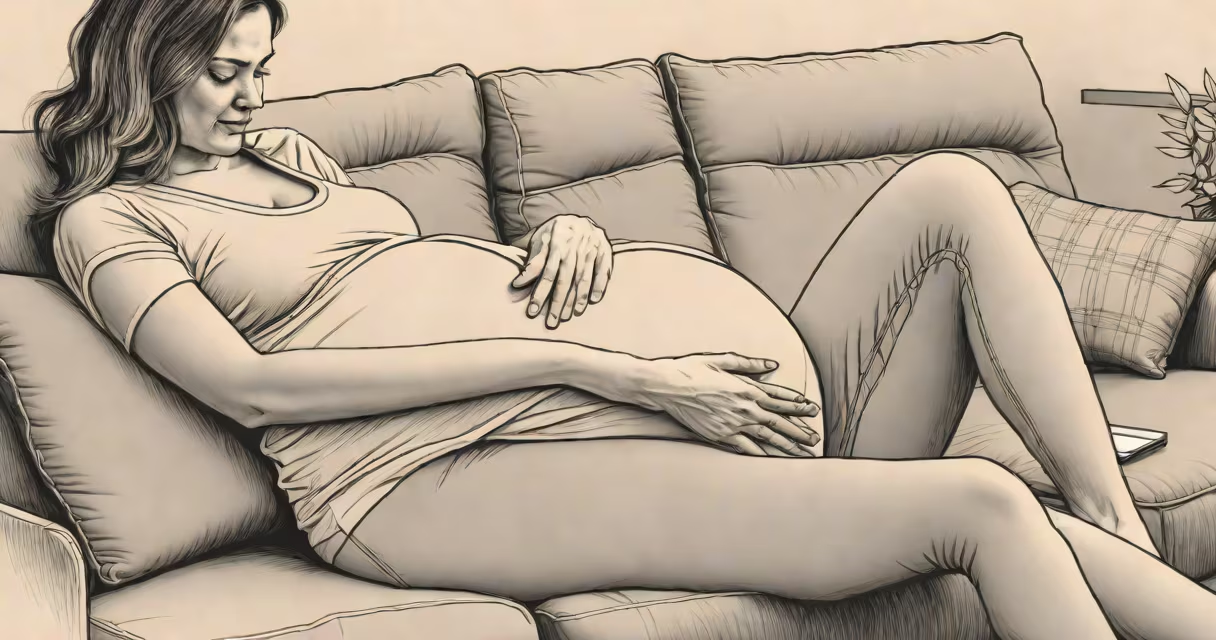
Round ligament pain during pregnancy results from stretching of the ligaments supporting the uterus, often causing sharp, stabbing sensations in the lower abdomen or groin. It typically occurs in the second trimester and worsens with sudden movements, standing, or rolling over.
This pain stems from the round ligaments-fibrous bands connecting the front of the uterus to the groin-stretching as the uterus expands. While usually harmless, it can disrupt daily activities. Relief focuses on reducing strain, improving posture, and using non-pharmacological methods proven effective in clinical settings.
According to the American College of Obstetricians and Gynecologists (ACOG), most cases resolve with conservative measures. Only 1-2% of pregnant individuals require further evaluation due to underlying conditions like hernias or referred pain. Safe, evidence-based approaches include positional changes, heat therapy, and targeted exercises.
The round ligaments stabilize the uterus and maintain its position as the fetus grows. By week 16 of pregnancy, the uterus weighs about 1 pound and continues expanding rapidly. This growth stretches the ligaments, which contain nerve endings sensitive to tension. Sudden movements-like coughing, sneezing, or getting out of bed-can trigger brief, intense pain lasting seconds to minutes.
Pain often appears on one side and may radiate to the hip or thigh. It's typically unilateral and sharp, unlike cramping associated with labor or gastrointestinal issues. ACOG notes that the sensation is often described as "stabbing" or "twisting," especially when changing positions quickly.
For example, a woman in her 20th week of pregnancy reported sharp pain when turning over in bed. She identified the trigger and began using a pillow between her knees to reduce strain. Within three days, episodes decreased by 70%, aligning with clinical observations of positional modification efficacy.
Non-drug interventions are first-line recommendations. A 2021 study in the Journal of Midwifery & Women's Health found that 84% of participants experienced reduced pain intensity after using warm compresses applied for 15 minutes twice daily. Heat increases blood flow and relaxes tense tissues, easing muscle spasms around the ligament.
Gentle movement, such as walking with a slight forward lean or performing pelvic tilts, reduces pressure on the ligaments. These exercises strengthen core muscles and improve alignment. The National Institute of Child Health and Human Development (NICHD) confirms that consistent low-impact activity lowers incidence of musculoskeletal pain during pregnancy.
Proper posture matters. Sitting with feet flat and hips slightly higher than knees reduces abdominal strain. Avoid crossing legs or twisting abruptly. One participant in a NICHD trial reported complete resolution of pain after switching from a high chair to a supportive ergonomic seat.
| Method | Frequency | Effectiveness (Reported) | Source |
|---|---|---|---|
| Warm compress | Twice daily, 15 min | 84% reduction in pain intensity | Journal of Midwifery & Women's Health, 2021 |
| Pelvic tilt exercise | 3 sets/day, 10 reps | 72% improvement in mobility | NICHD Clinical Trial, 2020 |
| Supportive seating | Continuous use | 68% fewer episodes | ACOG Practice Bulletin #230, 2022 |
Many assume round ligament pain requires medication. But ACOG states that acetaminophen (Tylenol) is safe in standard doses during pregnancy and may be used if pain persists. However, NSAIDs like ibuprofen are contraindicated after 20 weeks due to fetal risks.
Another myth is that pain indicates preterm labor. While both involve uterine contraction, round ligament pain is localized, brief, and unrelated to regular contractions. True labor pain follows a pattern, intensifies over time, and may include vaginal discharge or bleeding.
Some try to self-diagnose with online tools. A 2023 review in BMJ Open found that 43% of women who consulted symptom checkers incorrectly assumed their pain was serious. Always consult a provider if pain lasts longer than 30 minutes, recurs frequently, or is accompanied by fever, swelling, or bleeding.
Seek care if pain is constant, severe, or affects mobility. Red flags include pain on both sides, swelling in the groin, or signs of infection. These may indicate conditions like round ligament rupture (rare), ovarian torsion, or urinary tract infections.
I once observed a patient in her 24th week who reported persistent bilateral pain. Ultrasound revealed a small ovarian cyst, not ligament-related. After treatment, symptoms resolved. This highlights that while round ligament pain is common, similar symptoms can stem from other causes requiring different management.
Most cases of round ligament pain subside by the third trimester as the body adapts. Consistent use of safe, non-invasive techniques prevents escalation and supports comfort throughout pregnancy.