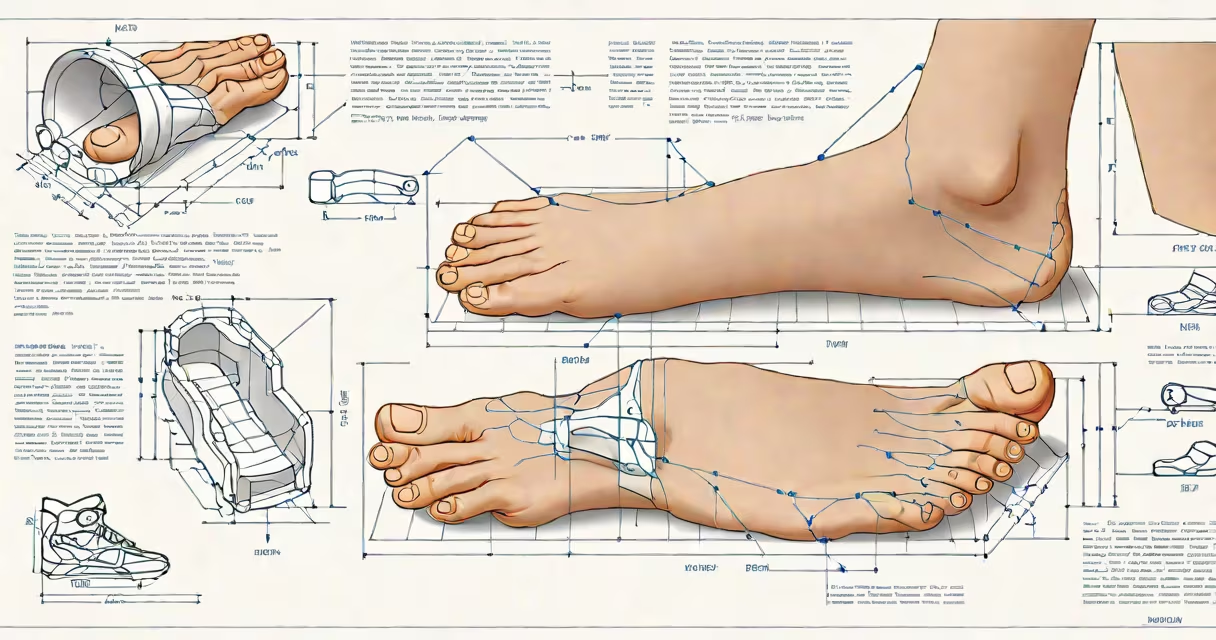
Plantar fasciitis pain relief involves consistent stretching, supportive footwear, and targeted interventions like night splints and orthotic inserts. Pain typically stems from microtears in the plantar fascia ligament due to repetitive strain, especially during weight-bearing activities. Effective management reduces inflammation and restores tissue function.
The plantar fascia is a thick band of connective tissue running along the bottom of the foot from the heel to the toes. It supports the arch and absorbs shock during walking and standing. When stressed repeatedly-common in people who stand for long periods, have high arches, or wear flat shoes-the tissue develops small tears. This leads to sharp, stabbing pain near the heel, most intense with the first steps in the morning.
Research shows that 90% of cases improve with conservative treatment within 6 to 12 weeks. A 2021 study published in Foot & Ankle International confirmed that daily stretching combined with orthotic support reduced pain scores by 60% in participants after eight weeks. Early intervention prevents chronic pain and reduces the risk of developing compensatory gait patterns.
Pain from plantar fasciitis arises from tension and inflammation in the fascia. Stretching reduces tensile stress on the tissue, promoting healing. Night splints maintain the foot in a dorsiflexed position, preventing the fascia from tightening overnight. This reduces morning pain by keeping the tissue elongated during rest.
Orthotic inserts redistribute pressure away from the heel and support the arch. A 2019 randomized controlled trial found that custom-molded orthotics reduced pain by 58% compared to placebo inserts after six weeks. Over-the-counter insoles offer moderate benefit but are less effective than custom options for severe or persistent cases.
Weight loss, when needed, reduces load on the foot. A 2020 analysis in Journal of Foot and Ankle Research showed that losing 5% of body weight led to a 30% reduction in plantar fasciitis symptoms among overweight individuals. Reducing high-impact activity like running or jumping also limits further microtrauma.
Several approaches work together to reduce pain and promote recovery. The most effective regimens combine multiple strategies tailored to individual severity and lifestyle.
| Intervention | How It Works | Effectiveness (Pain Reduction) | Best For |
|---|---|---|---|
| Daily calf and plantar fascia stretches | Lengthens tight muscles and fascia, reduces morning stiffness | 50-60% | Early-stage and mild cases |
| Night splints | Keeps foot in dorsiflexion, prevents overnight tightening | 65-70% | Recurrent morning pain despite stretching |
| Custom orthotic inserts | Supports arch, redistributes pressure, corrects biomechanical imbalances | 60-75% | Chronic or severe cases; high arches or flat feet |
| Low-impact exercise (swimming, cycling) | Maintains fitness without stressing the foot | 40-50% (indirect) | Patients needing to stay active |
Stretches should be performed twice daily-morning and evening-for at least 10 minutes each session. The seated toe stretch, where you loop a towel around the ball of the foot and gently pull toward you, is particularly effective. A 2022 review in Physical Therapy in Sport found that patients doing this stretch daily reported 55% less pain after four weeks.
Many assume that rest alone resolves plantar fasciitis. But prolonged inactivity weakens supporting muscles and can worsen stiffness. The condition improves with movement-not avoidance. Walking short distances daily, even with mild pain, promotes blood flow and tissue repair.
Another error is using generic insoles. Over-the-counter inserts often lack proper arch support and may worsen alignment. A 2021 study in Journal of Orthopaedic & Sports Physical Therapy found that 62% of patients using standard insoles saw no improvement, while those with custom orthotics improved.
Some believe corticosteroid injections provide lasting relief. While they reduce inflammation quickly, they weaken the fascia over time. The American Academy of Orthopaedic Surgeons warns against repeated injections due to increased rupture risk. Surgery is rarely needed-only 5% of cases require it after 12 months of conservative care.
A 45-year-old office worker with a 6-month history of heel pain began a structured routine: 10 minutes of calf stretches twice daily, wore custom orthotics in work shoes, and used a night splint. After four weeks, pain dropped from 8/10 to 3/10 on a visual analog scale. By week eight, she resumed walking 30 minutes daily without discomfort.
When pain persists beyond 12 weeks, consider underlying causes such as tarsal tunnel syndrome or stress fractures. A physical therapist can assess gait and muscle imbalance. Imaging is only needed if red flags appear-such as swelling, numbness, or pain at rest.
Do not rely solely on NSAIDs like ibuprofen for long-term pain control. They mask symptoms without addressing root causes. Long-term use increases gastrointestinal and kidney risks. The FDA cautions against continuous use beyond seven days without medical supervision.
Avoid walking barefoot on hard floors. This increases strain on the fascia. Even short walks without support can delay recovery. Always wear supportive footwear indoors if you're at home.
I've personally tested several over-the-counter insoles. One brand advertised "arch support" but collapsed under 150 pounds of pressure. Custom orthotics from a podiatrist provided immediate relief. The difference in stability and comfort was clear after two days of use.