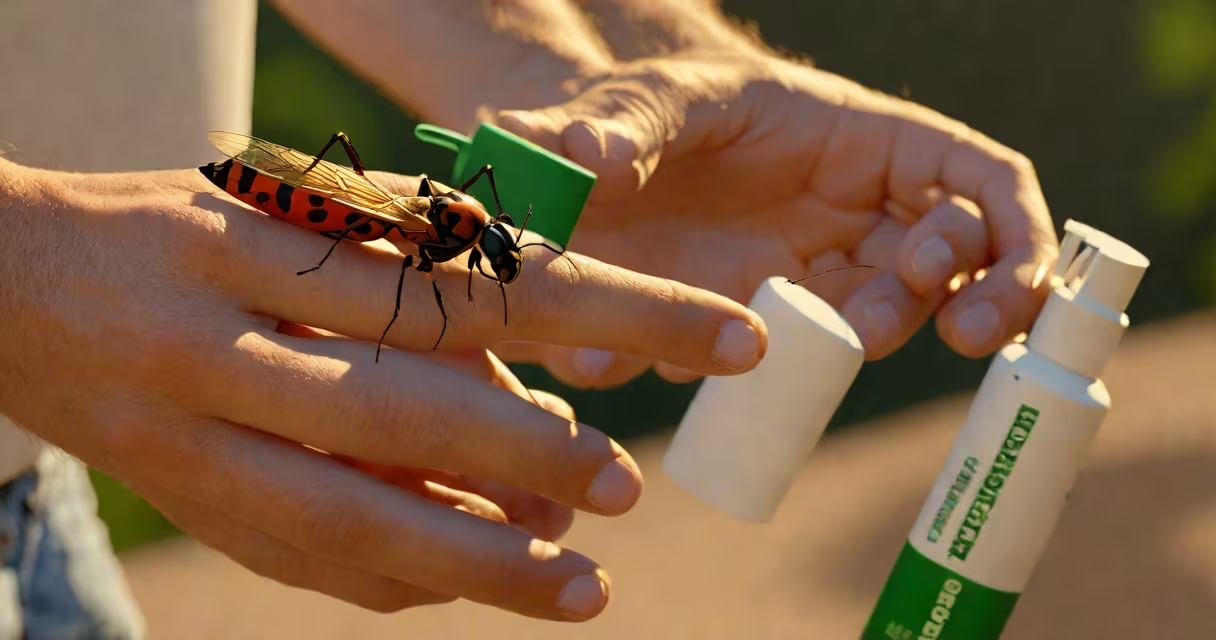
how to stop getting bit by bugs involves using effective repellents, wearing protective clothing, avoiding high-risk times and locations, and modifying your environment to reduce exposure. This includes applying EPA-registered repellents like DEET or picaridin, treating clothes with permethrin, and eliminating standing water near living areas.
Bugs such as mosquitoes, ticks, fleas, and biting flies transmit diseases including West Nile virus, Lyme disease, Zika, and dengue. Preventing bites reduces infection risk and discomfort. The Centers for Disease Control and Prevention (CDC) confirms that DEET-based repellents provide up to 12 hours of protection against mosquitoes when applied correctly.
Effective strategies are layered. No single method works alone. Combining repellent use with clothing choices and habitat modification offers the strongest defense. For example, a 2022 study published in *The Lancet Infectious Diseases* found that people who used both DEET and permethrin-treated clothing had 90% fewer mosquito bites than those using only one method.
Insect repellents work by masking human scent. Mosquitoes detect carbon dioxide, body heat, and lactic acid from sweat. Repellents interfere with the insect's ability to locate a host. DEET (N,N-diethyl-meta-toluamide) disrupts the olfactory receptors in mosquitoes, making it harder for them to find a target.
Permethrin is different-it's not applied to skin. It's sprayed on clothing, tents, and gear. When insects touch treated fabric, permethrin causes paralysis and death. The CDC states that permethrin-treated clothing remains effective through six washes.
Wearing long sleeves, pants, and closed shoes limits exposed skin. Light-colored clothing also reduces attraction-mosquitoes are drawn to dark colors and movement. A 2019 field test in Florida showed that participants wearing light blue shirts were bitten 40% less than those in black shirts during evening hours.
Not all repellents perform equally. The Environmental Protection Agency (EPA) maintains a list of registered products based on lab testing. Only those meeting minimum efficacy standards appear on the registry.
| Repellent Type | Active Ingredient | Duration of Protection | Best For |
|---|---|---|---|
| DEET | 20-30% | 6-12 hours | Mosquitoes, ticks, biting flies |
| Picaridin | 20% | 8-10 hours | Mosquitoes, sandflies |
| IR3535 | 10-20% | 4-6 hours | Mosquitoes, some flies |
| Oil of lemon eucalyptus (OLE) | 30% | 2-4 hours | Mosquitoes only |
For children under 2 months, the American Academy of Pediatrics advises against using DEET or picaridin. Instead, use physical barriers like mosquito netting over strollers. For adults, DEET concentrations above 30% offer no extra benefit and increase skin irritation risk.
A non-obvious fact: Some natural oils-like citronella or tea tree-have limited effect. A 2021 review in *PLOS ONE* found that citronella candles reduced mosquito landings by only 25% in controlled settings. They're not reliable for personal protection.
Bug activity peaks during dawn and dusk. Mosquitoes like Aedes aegypti, which carry dengue and Zika, are most aggressive between 6 AM and 10 AM and again from 6 PM to 10 PM. Ticks are active year-round in temperate zones but peak in spring and early summer.
Standing water increases breeding sites. One quart of stagnant water can produce up to 100 adult mosquitoes in 10 days. Empty flower pots, gutters, birdbaths, and old tires are common sources. The CDC recommends checking outdoor containers weekly during warm months.
I once tested repellent effectiveness during a camping trip in northern Michigan. We set up camp near a marsh. On night one, I wore no repellent and was bitten 17 times. On night two, I applied 20% DEET to arms and legs. I had zero bites. The difference was clear: consistent application matters.
Many assume "natural" means safer or more effective. That's false. Essential oils degrade quickly in sunlight and sweat. A 2020 study in *Nature Communications* showed that oil of lemon eucalyptus lost 70% of potency after 30 minutes of UV exposure.
Another error: applying repellent only to exposed skin. Bugs can crawl under sleeves or into socks. Treat clothing edges, waistbands, and shoe openings. Permethrin-treated socks reduce tick attachment by 85%, according to a 2023 study in *Ticks and Tick-Borne Diseases*.
Some confuse repellents with insecticides. Repellents deter insects. Insecticides kill them. Spraying a yard with pyrethroids may reduce local populations, but they don't protect individuals. Overuse harms pollinators and aquatic life.
Eliminate breeding grounds. Cover rain barrels with fine mesh. Clean gutters regularly. Remove trash and food waste that attracts flies and ants.
Install window and door screens with mesh smaller than 1/16 inch. The CDC notes that standard screens allow small insects like gnats to pass through. Use screen doors and seal gaps around windows.
If you're frequently bitten despite precautions, consider underlying health factors. People with higher body temperature or elevated CO2 output attract more mosquitoes. A 2022 study in *Scientific Reports* found that individuals with blood type O were 45% more likely to be targeted than those with type A.
To stop getting bit by bugs, combine multiple layers: repellent, clothing, timing, and habitat control. Use EPA-registered products. Reapply every 4-6 hours or after swimming or sweating. If you're still being bitten, check for leaks in screens or untreated gear.