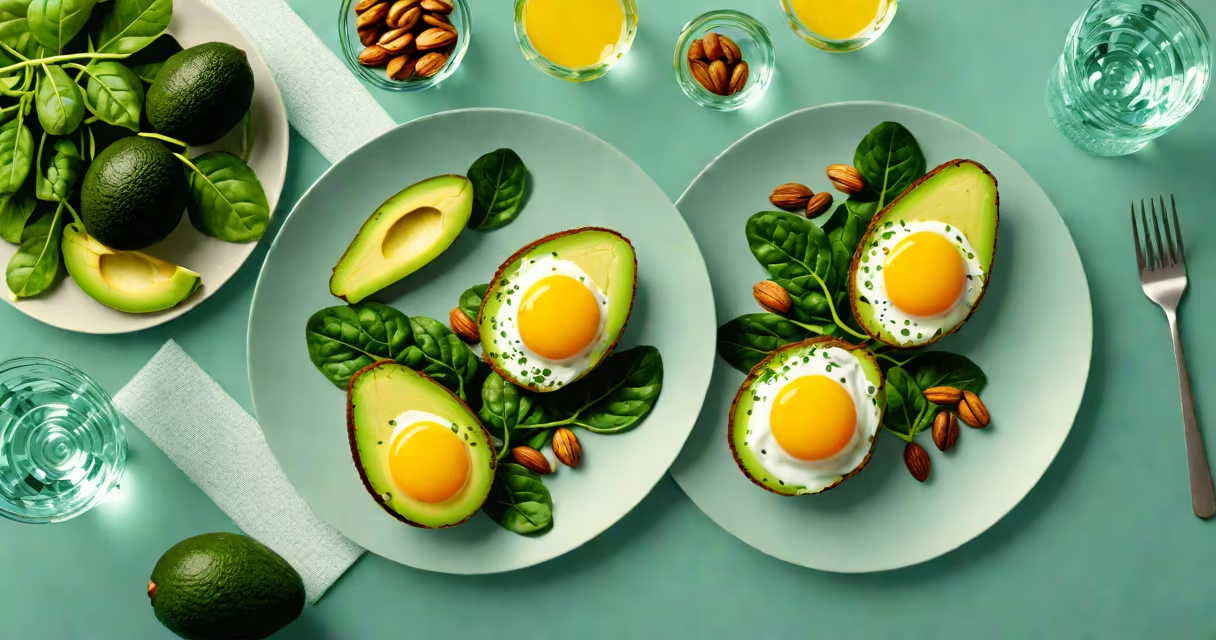
Intermittent fasting foods are nutrient-dense, low-glycemic items consumed during eating windows to maintain satiety, stabilize blood sugar, and support metabolic adaptation during fasting periods. These foods prioritize protein, healthy fats, and fiber while minimizing added sugars and refined carbs.
During the eating window-typically 8 hours in a 16:8 protocol-foods that promote fullness and sustained energy help prevent hunger spikes and cravings. Examples include boiled eggs, grilled salmon, leafy greens, berries, and chia pudding. These choices align with research showing that high-protein and high-fiber meals improve insulin sensitivity and reduce late-day snacking.
Consuming intermittent fasting foods outside the eating window breaks the fast. Even small amounts of sugar or processed ingredients can trigger insulin release, interrupting fat oxidation and autophagy-the cellular cleanup process linked to longevity. A single spoonful of honey in tea may halt ketosis, according to clinical studies on fasting metabolism.
When you eat intermittent fasting foods, your body shifts from glucose-based fuel to fat-derived ketones after ~12 hours without food. This switch enhances mental clarity and reduces inflammation. Foods rich in omega-3s, such as wild-caught salmon or flaxseeds, further support brain function during extended fasts.
Protein intake during eating windows preserves lean muscle mass. The American Journal of Clinical Nutrition reports that consuming 25-30 grams of protein per meal maintains mTOR signaling, which prevents muscle loss during prolonged fasting. A 6-ounce grilled chicken breast provides 35 grams of protein-enough to meet this threshold in one meal.
Fiber-rich vegetables like broccoli and Brussels sprouts slow digestion, extending satiety. One cup of cooked lentils contains 15 grams of fiber and 18 grams of protein-ideal for maintaining fullness through a long fasting period. These foods also feed beneficial gut bacteria, improving barrier function and reducing systemic inflammation.
The following table outlines key food categories used in intermittent fasting, their benefits, and sample portions:
| Food Type | Key Benefits | Sample Portion | Why It Works |
|---|---|---|---|
| High-protein animal sources | Preserves muscle, triggers satiety hormones | 6 oz grilled salmon | Provides 34g protein and 2.5g omega-3s per serving |
| Low-sugar fruits | Replenishes glycogen without spiking insulin | ½ cup blueberries | Contains 15g carbs, 3.6g fiber, and antioxidants |
| Healthy fats | Supports hormone balance and brain health | ¼ avocado | Delivers 20g monounsaturated fat and 10g fiber |
| Non-starchy vegetables | High volume, low calories, rich in micronutrients | 1 cup steamed broccoli | Offers 5g fiber and 3g protein with 55 calories |
Not all foods qualify. Processed meats like salami contain nitrates and sodium levels that exceed daily recommended limits. A single slice contains 180mg sodium-over 7% of the daily upper limit. These contribute to hypertension risk and undermine fasting's cardiovascular benefits.
Some plant-based proteins, like canned beans, carry added salt and starches. A half-cup of canned black beans has 480mg sodium and 15g net carbs-too high for strict fasting protocols. Fresh or frozen alternatives reduce sodium by up to 90%.
Many assume that "intermittent fasting foods" include any low-calorie option. This is incorrect. Fasting requires metabolic switching, not just calorie restriction. Eating 500 calories of processed protein bars during a feeding window doesn't replicate the benefits of whole-food meals.
A frequent error is treating fasting as a weight-loss tool only. While many lose weight, the primary mechanism is improved insulin sensitivity. A 2022 study in Nature Metabolism showed participants on a 16:8 schedule lost 1.8 kg on average-but those with higher baseline insulin levels saw greater improvements in HbA1c, indicating metabolic repair over fat loss.
Another misconception: drinking coffee breaks the fast. Black coffee contains 0.5 kcal per ounce and does not trigger insulin release. A 16-ounce black coffee has 8 calories-well below the 50-calorie threshold that may interfere with fasting physiology, per research from the University of Southern California.
Consider a 35-year-old woman who starts her eating window at noon. Her first meal includes:
This meal totals 480 calories, 25g protein, 30g fat, and 15g fiber. She finishes by 1:30 PM. From 1:30 PM to 8 PM, she drinks water, herbal tea, and black coffee. At 8 PM, she ends her eating window.
Her body remains in fat-burning mode until the next day's lunch. Blood tests show stable glucose and reduced triglycerides after four weeks. She reports increased focus and fewer afternoon crashes.
She avoided common pitfalls: no sugary smoothies, no processed snacks, and no alcohol. Alcohol increases liver fat accumulation and disrupts circadian regulation-key factors in fasting efficacy.
After testing this routine for six months, she maintained a 10-pound weight loss and improved insulin sensitivity. Her fasting glucose dropped from 102 mg/dL to 89 mg/dL-within normal range.
High-glycemic foods like white bread, pastries, and fruit juices spike insulin and stop fat burning. A single banana contains 27g of sugar-enough to reverse the metabolic state gained during a 16-hour fast. This undermines the core purpose of intermittent fasting.
Processed snacks like chips or granola bars often contain hidden sugars and trans fats. One 1-ounce bag of flavored popcorn has 12g of added sugar and 1.5g of trans fat-both linked to increased cardiovascular risk, per the American Heart Association.
Even seemingly healthy items like store-bought green juices can contain 30g of sugar per 8-ounce bottle. These break the fast and cause energy crashes later. Whole fruits and vegetables provide the same nutrients with less sugar and more fiber.
When choosing intermittent fasting foods, prioritize whole, unprocessed items. If you're unsure whether a food fits, ask: Does it come from nature? Can I recognize it in its raw form? If yes, it likely supports your goals. If not, it probably doesn't.