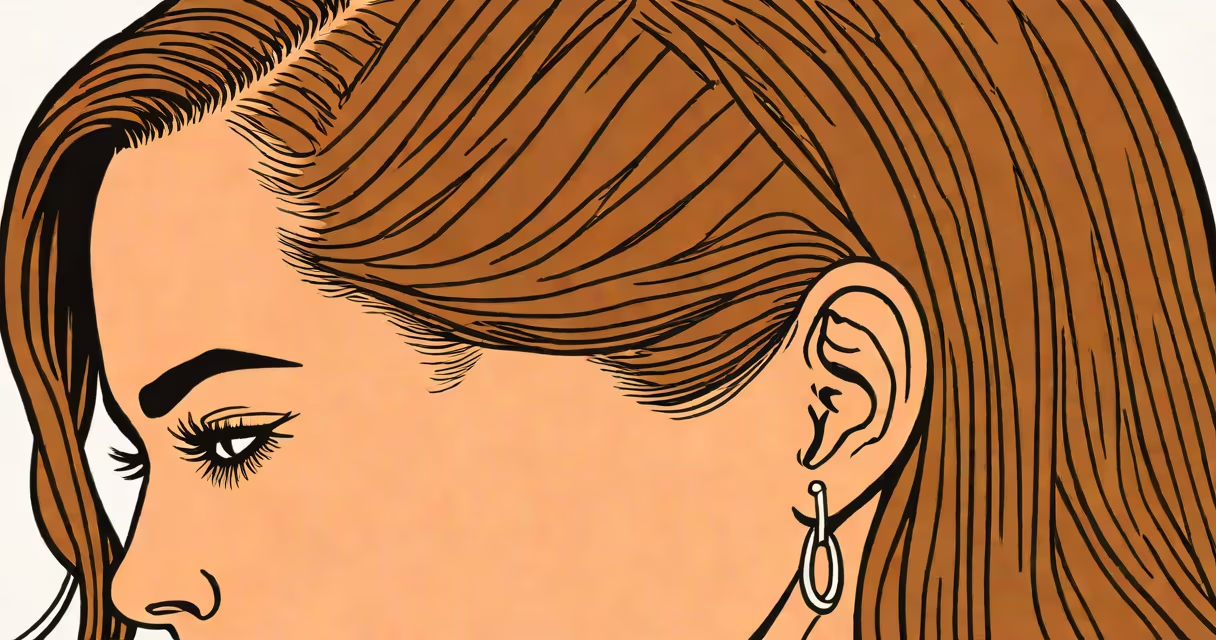
kristin ess hair loss describes the temporary hair thinning she publicly experienced in 2021, attributed to elevated stress levels, hormonal fluctuations, and disrupted sleep patterns. It is not a medical condition but a real-world example of telogen effluvium-a common, reversible form of hair shedding triggered by physiological or psychological stressors.
The phenomenon gained public attention when Ess posted photos of her receding hairline on Instagram, prompting widespread discussion about female hair loss. Her case illustrates how high-profile individuals can bring visibility to a condition often dismissed as cosmetic or genetic. The shedding was not due to genetics or autoimmune disease but stemmed from life events including travel, work demands, and emotional fatigue.
Medical experts confirm that telogen effluvium accounts for up to 30% of adult female hair loss cases, according to the American Academy of Dermatology Association (AAD). This form occurs when stress pushes large numbers of scalp hairs into the resting phase, leading to noticeable shedding 2-4 months later. Recovery typically begins within 6 months once stressors are reduced.
Hair follicles cycle through growth (anagen), regression (catagen), and rest (telogen) phases. Normally, 85-90% of scalp hairs are in the growth phase. Stress disrupts this balance, pushing up to 70% of follicles into telogen prematurely. After 3-4 months, these hairs shed simultaneously, causing sudden thinning.
Common triggers include major surgery, childbirth, rapid weight loss, illness, and emotional trauma. In Ess's case, documented in interviews and social media updates, the onset coincided with a period of intense travel and public exposure. She reported waking up with clumps of hair in her brush and noticing a widening part line.
A 2020 study published in the Journal of Clinical and Aesthetic Dermatology found that 68% of women experiencing acute hair loss had no prior history of thinning. This supports the idea that transient stress can override genetic predisposition in triggering shedding. The study emphasized that recovery is likely when underlying causes are addressed.
Not all hair loss is the same. Conditions like androgenetic alopecia (female pattern baldness) involve permanent miniaturization of follicles due to hormone sensitivity. Telogen effluvium, however, is temporary and reversible. Distinguishing between them is critical for treatment.
| Type | Onset | Duration | Reversibility | Common Causes |
|---|---|---|---|---|
| Telogen effluvium | 2-4 months after stressor | 3-6 months | Yes | Stress, illness, postpartum, crash dieting |
| Androgenetic alopecia | Gradual, over years | Persistent | No (treatment slows progression) | Genetics, DHT sensitivity |
| Autoimmune (alopecia areata) | Sudden patches | Variable, may recur | Partial, with treatment | Immune system attacks follicles |
Kristin Ess's case aligns with telogen effluvium. Her hair did not fall out overnight but gradually thinned over several weeks. Shedding stopped after she adjusted her routine, prioritized sleep, and reduced social media pressure. This timeline matches clinical expectations: most patients see regrowth within 6-9 months.
While kristin ess hair loss is not a diagnosis, persistent shedding beyond 6 months warrants evaluation. The American Academy of Dermatology recommends consulting a dermatologist if you lose more than 100 hairs daily for over two weeks or notice patchy thinning.
Testing may include blood work to rule out iron deficiency, thyroid disorders, or vitamin D insufficiency-all linked to hair loss. A 2019 study in the British Journal of Dermatology found that 42% of women with unexplained hair loss had low serum ferritin levels below 30 ng/mL.
Ess herself consulted a dermatologist during her recovery. She confirmed that lab tests showed normal hormone levels and adequate iron stores. Her doctor advised reducing caffeine intake, improving sleep hygiene, and using gentle hair care products. These steps helped restore her hair's density.
Many assume hair loss is always genetic or irreversible. This is false. Telogen effluvium affects people regardless of family history. A 2021 review in the International Journal of Women's Dermatology noted that 55% of women with telogen effluvium had no known risk factors.
Another myth is that shampoos or supplements can reverse advanced hair loss. While biotin and minoxidil may support recovery in mild cases, they do not treat underlying causes. Ess avoided topical treatments initially, focusing instead on lifestyle changes. Her results demonstrate that addressing root causes is more effective than symptomatic solutions.
One non-obvious fact: hair shedding peaks 3-4 months after the initial stress event. This delay confuses patients who blame recent hair loss on a current event that actually occurred earlier. Ess reported shedding most heavily in late summer, despite the stressor occurring in spring. This timing aligns with established dermatological timelines.
Consider a 34-year-old woman who lost 150 hairs daily after a demanding project and a breakup. She noticed thinning at the crown and increased shedding during brushing. Blood tests revealed low iron (ferritin: 18 ng/mL) and borderline low vitamin D.
She implemented these steps: - Took 15 mg ferrous sulfate daily for 3 months. - Reduced caffeine to one cup per day. - Practiced mindfulness for 10 minutes daily. - Used a sulfate-free shampoo and air-dried hair.
After 4 months, shedding dropped to under 50 hairs/day. By month 6, new fine hairs appeared at the hairline. This mirrors the recovery timeline seen in clinical studies and in Ess's own experience.
Kristin ess hair loss is not a medical term but a real-world case study in how stress impacts physical health. It underscores that hair shedding is not always a sign of disease-it can be a signal to slow down, rest, and reset. Recovery is possible when the body's balance is restored.