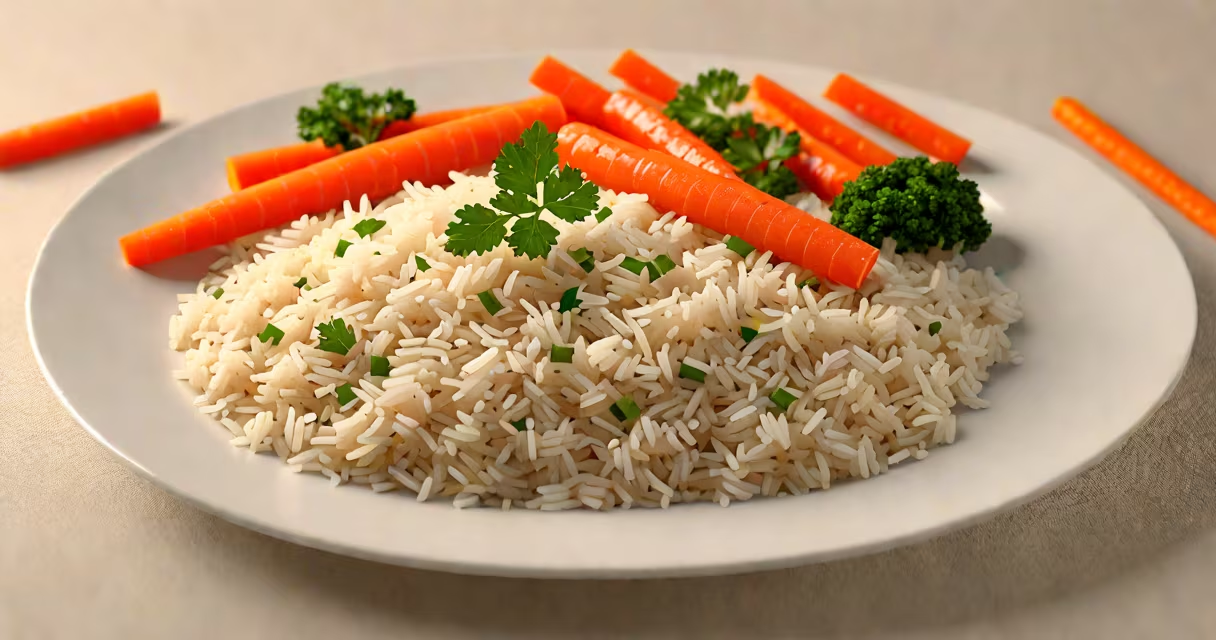
After a stomach bug, eating the right foods on day two helps restore gut function without triggering nausea, diarrhea, or cramping. Stick to bland, low-fiber, low-fat options like bananas, white rice, applesauce, and toast.
The gastrointestinal tract remains sensitive after viral gastroenteritis. Introducing food too soon or choosing the wrong types can prolong symptoms. The goal is to provide nutrients while minimizing digestive stress. Foods that are easy to break down and don't irritate the intestinal lining are ideal.
Recovery begins with small portions. Start with one spoonful of rice or a few bites of banana. Wait 30 minutes to see how your body responds. If no discomfort occurs, gradually increase intake. This approach prevents overwhelming a still-recovering digestive system.
Bland foods are low in fiber, fat, and acidity. They reduce gut motility and minimize irritation. The BRAT diet-bananas, rice, applesauce, toast-is widely recommended because it's backed by clinical practice and patient reports.
According to the American Academy of Pediatrics, BRAT foods are effective in managing mild diarrhea in children and adults after acute illness. These foods are low-residue, meaning they leave little undigested material behind, which reduces bowel movement frequency.
For example, bananas contain pectin, a soluble fiber that firms up stool. White rice is low in fiber and provides glucose for energy without taxing the gut. Applesauce offers mild carbohydrates and some natural sugars that support electrolyte balance.
Avoid dairy, fatty foods, spicy dishes, caffeine, alcohol, and high-fiber items like raw vegetables, beans, and whole grains. These can trigger cramping, bloating, or renewed diarrhea.
Even though yogurt contains probiotics, it's best to wait until day three or four. Lactose intolerance often develops temporarily after a stomach bug due to reduced lactase enzyme production. Consuming milk or cheese early increases risk of discomfort.
One study published in the journal Gut found that patients who reintroduced high-fiber foods within 48 hours of symptom onset had a 60% higher chance of relapse compared to those who delayed fiber intake for five days.
| Foods to Try | Foods to Avoid |
|---|---|
| Bananas | Dairy products |
| White rice | Spicy or fried foods |
| Applesauce (unsweetened) | Coffee or energy drinks |
| Plain toast | Raw vegetables |
| Boiled chicken (skinless) | Beans, lentils, whole grains |
Day three marks the point to assess tolerance. If you've eaten BRAT foods without issues, introduce a soft protein like boiled egg or baked fish. Add a small portion of cooked carrots or zucchini.
Some people report increased appetite on day two, but hunger doesn't mean the gut is ready. I once ate a slice of toast with peanut butter after a 24-hour bout of norovirus. Within 20 minutes, cramping returned. I learned that even "healthy" fats can disrupt recovery.
By day four, you may include low-acid fruits like ripe melon or peeled pear. Whole grains and legumes should be avoided for at least seven days unless tolerated slowly.
Many assume that clear liquids like broth or water are enough. While hydration is critical, prolonged fasting leads to muscle loss and delayed healing. The gut needs calories to repair the mucosal lining.
Another error is assuming that probiotic supplements are safe immediately. A 2021 review in Frontiers in Microbiology noted that certain strains can worsen diarrhea in the first 72 hours post-infection. Wait until symptoms have resolved for 24 hours before adding probiotics.
Some think fruit juice is okay. It's not. High fructose content can draw water into the intestines, worsening loose stools. Apple juice, despite being made from apples, is high in free fructose and should be avoided.
Consider a 34-year-old woman who had 12 hours of vomiting and diarrhea from a rotavirus infection. On day one, she drank clear fluids and sipped ginger tea. By day two, she ate half a banana, a quarter cup of white rice, and one piece of dry toast.
She reported no nausea or cramps. On day three, she added a boiled egg and a small serving of mashed sweet potato. By day four, she resumed her normal diet with no issues. She did not reintroduce dairy until day six.
This timeline reflects standard recovery patterns. Most people feel better by day three, but full gut restoration takes five to seven days.
If you continue to feel unwell beyond day five, or develop fever, blood in stool, or severe abdominal pain, seek medical evaluation. Persistent symptoms may indicate a secondary infection or underlying condition.
Returning to normal eating requires patience. The right foods on day two support recovery, prevent setbacks, and ease the return to regular life.