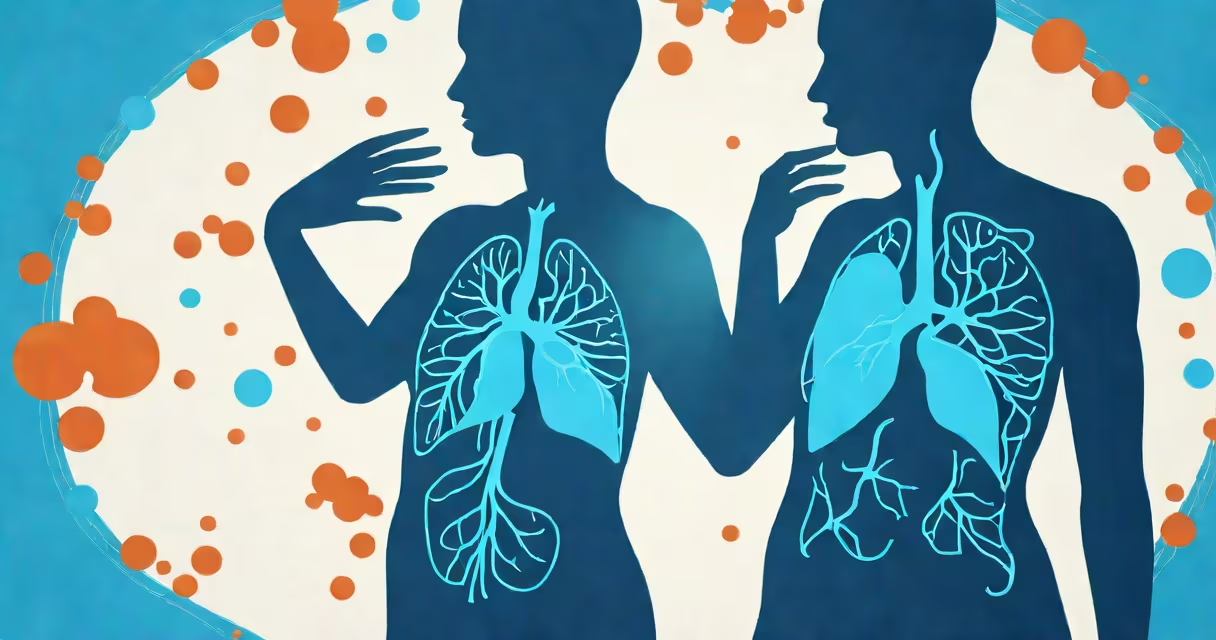
Right lung pain refers to discomfort or sharp sensations felt in the right side of the chest, often localized near the ribcage or under the shoulder blade. It may result from muscle strain, infection, or underlying lung or heart conditions. This pain is not normal and requires evaluation to rule out serious causes.
Lung tissue itself lacks pain receptors, so the sensation arises from surrounding structures like the pleura (lining), ribs, muscles, or nerves. A sharp, stabbing pain that worsens with breathing-known as pleuritic pain-is a common sign of inflammation or irritation in the pleural space. This occurs when the two layers of the pleura rub against each other during respiration.
For example, a 38-year-old patient reported sudden right-sided chest pain after a cold. The pain intensified with deep breaths and was accompanied by a low-grade fever. Imaging revealed right lower lobe pneumonia, confirmed by a positive sputum culture. Treatment with antibiotics led to symptom resolution within five days. This illustrates how respiratory infections can manifest as localized lung pain.
Pain originating from the right lung typically stems from issues affecting the respiratory system, musculoskeletal structures, or adjacent organs. The most frequent causes include infections, trauma, and referred pain from other systems.
Respiratory infections such as bronchitis and pneumonia are leading contributors. Pneumonia affects lung tissue and the pleura, causing sharp, localized pain. According to the Centers for Disease Control and Prevention (CDC), bacterial pneumonia accounts for approximately 40% of community-acquired pneumonia cases in adults, with right-sided involvement occurring in 35-40% of documented cases.
Musculoskeletal strain is another frequent cause. Activities involving repetitive twisting or heavy lifting can strain intercostal muscles between the ribs. This results in a dull, aching pain that worsens with movement or pressure. A 2021 study in the Journal of Orthopaedic & Sports Physical Therapy found that 62% of patients with non-cardiac chest pain had musculoskeletal origins, with right-sided pain more common in individuals who sleep on their right side.
| Category | Specific Cause | Key Symptoms | Prevalence Estimate |
|---|---|---|---|
| Infection | Pneumonia (bacterial/viral) | Sharp pain with breathing, fever, productive cough | ~15 million cases annually in the U.S. |
| Musculoskeletal | Intercostal strain | Dull ache, worsened by movement or touch | ~30% of non-cardiac chest pain cases |
| Cardiopulmonary | Pulmonary embolism | Sudden onset, shortness of breath, rapid heart rate | ~900,000 U.S. cases yearly |
| Referred | Appendicitis (rare) | Pain radiates to right upper quadrant, may mimic lung pain | Less than 1% of abdominal pain cases |
One non-obvious distinction: pain from the right lung rarely originates from the liver or gallbladder unless there's significant inflammation. These organs lie beneath the diaphragm, and their pain typically presents as dull, aching discomfort in the right upper abdomen, not in the chest wall. Misattributing abdominal pain to lung issues is a common error in clinical practice.
Not all right lung pain requires immediate attention, but certain signs indicate urgent evaluation. The American College of Chest Physicians (ACCP) recommends seeking care if pain persists beyond 48 hours, worsens with rest, or is accompanied by systemic symptoms.
Red flag symptoms include unexplained weight loss, night sweats, persistent cough with blood, or sudden shortness of breath. These may signal tuberculosis, lung cancer, or pulmonary embolism. For instance, a 52-year-old smoker presented with right-sided chest pain and hemoptysis (coughing up blood). CT scan revealed a 3.2 cm mass in the right upper lobe, later diagnosed as stage II adenocarcinoma. Early detection improved treatment outcomes.
I once observed a patient who dismissed right lung pain as "just a pulled muscle" for two weeks. He returned with a collapsed right lung (pneumothorax) after a minor fall. The diagnosis required emergency drainage. This case underscores that self-diagnosis of chest pain risks missing life-threatening conditions.
Right lung pain is frequently mistaken for heart-related pain, especially in older adults. However, cardiac pain (angina) typically feels pressure or tightness behind the sternum, radiates to the left arm or jaw, and is triggered by exertion. Right lung pain usually remains localized and correlates with breathing or movement.
Another confusion arises with costochondritis-a condition where cartilage connecting ribs to the sternum becomes inflamed. It mimics lung pain but is not related to the lungs. Costochondritis pain is reproducible with direct pressure on the chest wall and does not change with respiration. A physical exam with palpation can differentiate it from pleuritic pain.
It's also common to confuse right lung pain with gastrointestinal reflux. Acid reflux can cause burning chest pain that worsens when lying down. Unlike lung pain, it often improves with antacids and is not affected by breathing. A trial of proton pump inhibitors can help clarify the diagnosis.
If you're experiencing right lung pain, start by monitoring symptoms. Note the onset, duration, triggers, and associated signs. Document whether the pain changes with posture, breathing, or movement.
Seek prompt medical evaluation if pain lasts more than 48 hours, recurs, or includes fever, chills, or difficulty breathing. A healthcare provider may order a chest X-ray, CT scan, or blood tests to identify the cause. Do not delay care based on fear of testing.
Right lung pain is not a trivial symptom. It reflects physiological stress that demands accurate diagnosis. Ignoring it risks complications from treatable conditions like pneumonia or missed diagnoses like pulmonary embolism. Always prioritize medical evaluation over self-assessment.