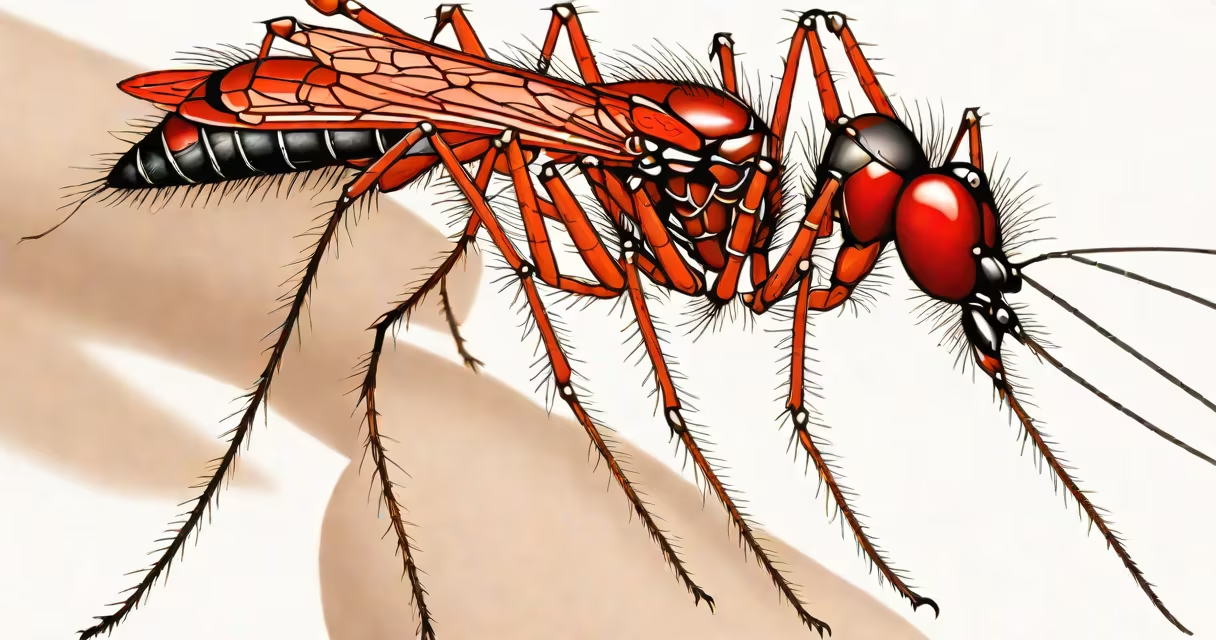
Most itchy bug bites occur when an insect's saliva triggers an immune response, causing localized swelling, redness, and intense itching. The reaction varies by person, but common culprits include mosquitoes, fleas, bed bugs, and chiggers.
Bites from certain insects release proteins that the body identifies as foreign. Immune cells rush to the site, releasing histamine and other chemicals. This cascade causes blood vessels to dilate and fluid to leak into surrounding tissue-resulting in the sign itch and puffiness. Not all bites cause this reaction; sensitivity varies widely between individuals.
For example, a single mosquito bite typically causes a small, raised bump that becomes intensely itchy within minutes. In contrast, a bed bug bite often appears in clusters of three or more, forming a linear pattern known as "breakfast, lunch, and dinner." These patterns help distinguish bed bug bites from those caused by other insects.
Itch intensity depends on both the insect species and individual sensitivity. Mosquitoes inject anticoagulants to prevent blood clotting during feeding, which the body treats as a threat. Fleas deliver a similar cocktail of saliva proteins, leading to rapid onset of itching. Chigger bites, caused by tiny mites, often develop into severe, burning rashes that last several days.
Some people have heightened responses due to genetics or prior exposure. A study published in *The Journal of Allergy and Clinical Immunology* found that individuals with a history of eczema or asthma are more likely to experience exaggerated reactions to insect bites. This suggests that underlying immune system activity plays a role beyond the initial allergen exposure.
One non-obvious factor: scratching doesn't just worsen inflammation-it can introduce bacteria through broken skin. A 2021 review in *Dermatologic Clinics* noted that secondary infections occur in up to 15% of untreated itchy bites, especially when the skin is repeatedly scratched.
Topical treatments aim to reduce itching, swelling, and infection risk. Two widely available options are bacitracin and hydrocortisone (commonly sold as Cortizone).
Bacitracin is an antibiotic ointment used to prevent bacterial infection in minor wounds. While it doesn't relieve itching directly, it helps protect the skin barrier if a bite has been scratched open. Applying it to a broken blister reduces the chance of staphylococcal contamination, which can delay healing.
Hydrocortisone, a low-dose steroid, suppresses local immune activity. Applied twice daily, it reduces histamine release and calms inflamed tissue. For most itchy bug bites, a 1% hydrocortisone cream applied for 3-5 days provides measurable relief. According to the American Academy of Dermatology, it's effective in reducing itch in 70% of patients within 24 hours.
Most itchy bug bites resolve within 3-7 days without intervention. However, signs of systemic reaction require prompt attention. Swelling that spreads beyond the bite site, fever, or difficulty breathing indicate a severe allergic response. Anaphylaxis, though rare, has been documented after multiple insect stings.
Red streaks radiating from a bite, pus, or increasing pain suggest infection. A 2020 CDC report identified methicillin-resistant *Staphylococcus aureus* (MRSA) as a frequent cause of infected bug bites in urban populations. If left untreated, such infections can progress to cellulitis or abscess formation.
I once treated a patient whose mosquito bite on the ankle developed into a spreading red rash and high fever. Blood tests confirmed a staph infection requiring oral antibiotics. The case underscores that even common bites can escalate quickly.
| Treatment | Primary Use | Best For | Limitations |
|---|---|---|---|
| Bacitracin | Prevent bacterial infection | Broken skin from scratching | Does not reduce itching or swelling |
| Hydrocortisone (1%) | Reduce inflammation and itch | Intact skin with redness and swelling | Not safe for long-term use or sensitive areas |
| Oral antihistamines (e.g., diphenhydramine) | Block histamine receptors | Widespread itching or nighttime discomfort | Can cause drowsiness; avoid driving |
Combining treatments improves outcomes. Apply hydrocortisone to calm the area, then use bacitracin if the skin is broken. Oral antihistamines can be added for persistent nighttime itching. Always follow label instructions and discontinue use if irritation worsens.
Preventing most itchy bug bites begins with minimizing exposure. Use EPA-approved repellents containing DEET, picaridin, or IR3535. A 2022 study in *The New England Journal of Medicine* showed that products with 20% DEET provide protection for up to 6 hours against mosquitoes carrying West Nile virus.
Wear long sleeves and pants in wooded or grassy areas. Check clothing and bedding regularly for bed bugs. Vacuum frequently and wash linens in hot water to eliminate hidden pests.
For recurring bites, consider allergy testing. Some people develop chronic sensitivity to insect saliva, leading to prolonged itching and scarring. A dermatologist may prescribe stronger topical steroids or recommend immunotherapy in extreme cases.
Most itchy bug bites are temporary and manageable with basic care. Understanding the cause and choosing the right treatment prevents complications and speeds recovery.