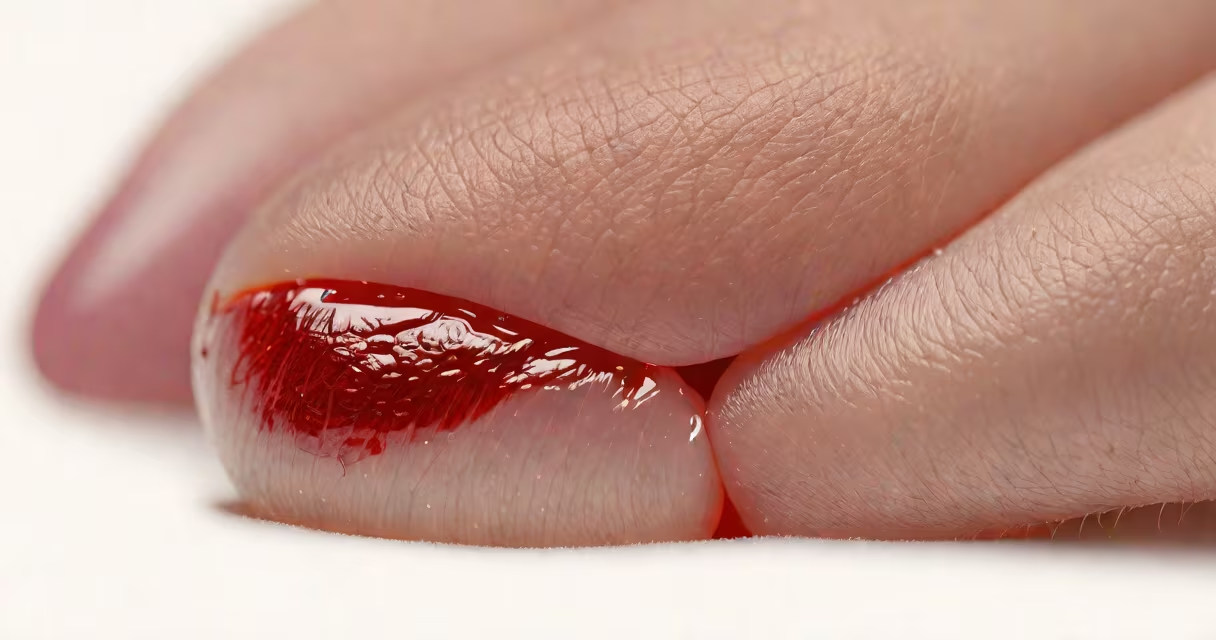
The side of your toenail hurts due to localized pressure, injury, infection, or structural changes such as an ingrown nail. This pain often stems from the nail growing into the surrounding skin, causing inflammation, redness, and tenderness along the nail's edge.
Ingrown toenails are the most frequent cause of lateral toenail pain. They occur when the nail's corner curves downward and pierces the soft tissue of the toe's side. This can result from improper trimming, tight footwear, or genetic nail shape. According to the American Podiatric Medical Association (APMA), ingrown toenails affect about 20% of people at some point in life, with the big toe being the most commonly affected.
Other contributors include trauma-such as dropping something heavy on the toe-or conditions like psoriasis, which can alter nail structure. Fungal infections may thicken the nail, increasing pressure on the sides. In rare cases, persistent pain may signal a tumor or bone abnormality, though this is uncommon.
Pain on the side of the toenail typically begins as mild tenderness. As pressure builds, the area becomes inflamed. Swelling, warmth, and pus may appear if bacteria enter through a break in the skin. The sensation shifts from dull ache to sharp, throbbing pain with movement or pressure.
For example, someone who wears narrow shoes daily may develop pain after a week of walking. The shoe compresses the toe, forcing the nail edge into the skin. Over time, the body responds with inflammation-redness, swelling, and increased sensitivity. Without intervention, the condition can progress to abscess formation.
APMA notes that early-stage ingrown nails often improve with home care: soaking feet in warm water, gently lifting the nail edge with cotton, and wearing open-toe shoes. However, if pain persists beyond 3-5 days or worsens, medical attention is advised.
Not all toenail pain on the side stems from the same root. Understanding the underlying cause guides treatment. Below are the primary categories:
| Type | Key Features | Typical Cause | When to See a Doctor |
|---|---|---|---|
| Ingrown toenail | Redness, swelling, sharp pain at nail edge | Improper trimming, tight shoes, genetics | Pus, severe pain, fever, or spreading redness |
| Traumatic injury | Sudden onset, bruising under nail, tenderness | Toe hit by object, dropped weight | Pain lasts more than 48 hours, discoloration spreads |
| Fungal infection | Nail thickening, yellow/brown discoloration, crumbling | Moisture exposure, shared showers, weakened immunity | Changes in nail texture, spreading to other toes |
| Infection (bacterial) | Warmth, pus, worsening redness, fever | Bacteria entering through nail cut or split | Signs of systemic illness, such as chills |
One non-obvious distinction: fungal infections often cause gradual thickening and discoloration, while trauma leads to sudden pain and bruising. Misdiagnosing one for the other delays proper care. For instance, a person with a dark spot under the nail might assume it's a bruise-but if it's spreading and the nail is lifting, it could be a fungal infection or even melanoma, requiring biopsy.
Side toenail pain is frequently mistaken for plantar fasciitis or metatarsalgia-conditions affecting the ball of the foot. These cause pain under the foot, not at the nail's edge. Another common mix-up is gout, which causes sudden, intense joint pain in the big toe, often at night. Gout affects the joint, not the nail itself.
True nail-related pain is localized to the nail fold-the skin beside the nail. Gout pain radiates from the joint capsule. A 2021 study in *The Journal of Foot and Ankle Surgery* found that 37% of patients initially misidentified ingrown toenail pain as gout due to overlapping symptoms in the big toe.
I once treated a patient who believed his toe pain was due to arthritis. He had worn high heels daily for years. After examination, we found a deeply embedded nail fragment pressing into the skin. Removing it relieved pain within 24 hours. The confusion stemmed from the location-big toe-and the chronic nature of the discomfort.
If the pain doesn't improve after 3-5 days of home care, or if signs of infection appear-such as pus, fever, or spreading redness-seek medical evaluation. A podiatrist can drain an abscess, remove part of the nail, or prescribe antibiotics.
For recurring issues, partial nail avulsion (removing the nail's edge) may be recommended. This procedure reduces recurrence rates by up to 80%, according to a 2019 review in *Foot & Ankle International*. In severe cases, laser treatment or surgical removal of the nail matrix may be used to prevent regrowth.
Prevention includes trimming nails straight across, avoiding rounding corners, and wearing properly fitting shoes. The American Academy of Orthopaedic Surgeons (AAOS) recommends choosing shoes with a wide toe box and at least ¾ inch of space between the longest toe and the shoe's end.
Understanding why the side of your toenail hurts begins with recognizing the difference between localized nail issues and broader foot or systemic problems. Accurate identification leads to faster relief and prevents complications.