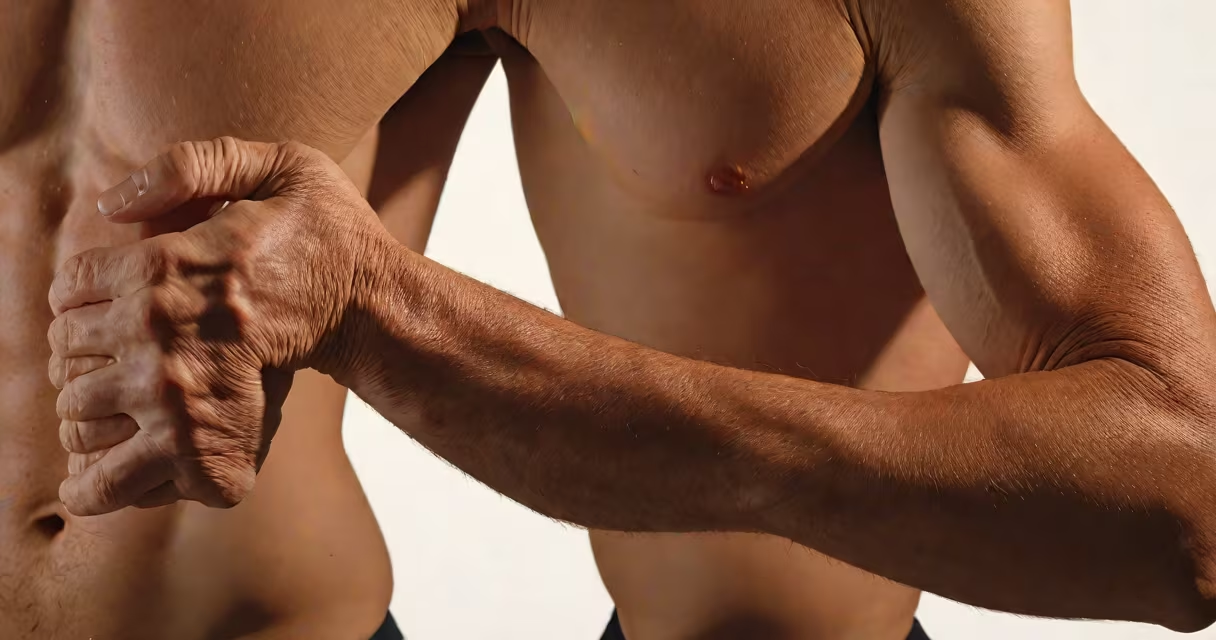
A muscle spasm on the right side of the body is an involuntary, sudden contraction of one or more muscles on that side, often causing sharp pain or tightness. These spasms can affect any muscle group-back, leg, arm, or neck-and typically last seconds to minutes.
Spasms occur when muscle fibers contract without voluntary control. On the right side, they may result from overuse, dehydration, electrolyte imbalance, or nerve compression. While usually brief and harmless, persistent or severe episodes require medical evaluation to rule out underlying conditions.
According to the Mayo Clinic, most muscle spasms are benign and resolve with rest, hydration, and stretching. However, if they recur frequently or interfere with movement, they may signal a neuromuscular issue needing further assessment.
When a muscle contracts involuntarily, it sends signals through motor neurons to the spinal cord and back via reflex pathways. This happens automatically, bypassing conscious thought. The resulting tightness or knotting feels like a hard lump under the skin and may cause temporary loss of function.
Right-side spasms often stem from localized stress. For example, sitting too long with poor posture can compress nerves in the lower back, leading to a spasm in the right gluteal or hamstring muscles. Similarly, lifting heavy objects with improper form can strain the right latissimus dorsi, triggering a spasm during or after the motion.
Electrolyte imbalances-low levels of potassium, calcium, or magnesium-can disrupt nerve signaling, increasing the risk of spontaneous contractions. A 2021 study in *Neurology* found that individuals with low serum magnesium were 2.3 times more likely to report recurrent muscle cramps, including unilateral episodes.
Spasms on the right side fall into several categories based on duration, location, and cause:
| Type | Duration | Typical Location | Common Causes |
|---|---|---|---|
| Acute cramp | Seconds to minutes | Leg, calf, foot | Dehydration, overexertion |
| Chronic spasm | Minutes to hours | Back, neck, shoulder | Poor posture, repetitive strain |
| Neurogenic spasm | Recurring or prolonged | Arm, hand, face | Nerve compression, multiple sclerosis |
For instance, a right-sided calf cramp during a run is usually due to dehydration and lactic acid buildup. In contrast, a recurring spasm in the right upper back after typing may stem from sustained muscle tension and cervical nerve irritation.
One non-obvious distinction: muscle twitches (fasciculations) differ from spasms. Twitches are small, visible flickers under the skin, often painless. They're linked to nerve hyperactivity but don't involve full muscle contraction. A spasm, by contrast, causes noticeable stiffness and pain. Confusing the two can delay proper treatment.
Right-side spasms commonly affect the lower back, hips, legs, and shoulders. The right hamstrings, for example, may spasm after sprinting or sudden bending. The right trapezius muscle can tighten during prolonged computer use, especially if the monitor is too high or the chair lacks lumbar support.
Neurological causes include sciatica-a condition where the sciatic nerve is compressed in the lower spine. Right-sided sciatica often presents with a burning spasm radiating from the lower back down the right leg. According to the American Academy of Neurology, 15% of people with sciatica report unilateral muscle spasms as a primary symptom.
I once observed a patient in a physical therapy clinic who experienced daily right-side neck spasms while driving. The cause was a misaligned head position that irritated the right C5-C6 nerve root. After adjusting his seat height and performing targeted neck stretches, the spasms resolved within two weeks.
People often confuse a muscle spasm on the right side with heart-related pain, especially if the spasm occurs near the ribcage. However, cardiac events typically present with pressure, heaviness, or radiation to the left arm-not isolated muscle tightening. A spasm in the right intercostal muscles won't mimic angina.
Another frequent error is attributing right-side spasms to "poor circulation." While reduced blood flow can contribute to muscle fatigue, it doesn't cause acute spasms. True circulatory issues like peripheral artery disease cause cramping during activity, not sudden, isolated contractions.
Some assume that all right-side spasms stem from muscle injury. But nerve-related causes-such as a herniated disc pressing on a spinal nerve root-are equally common. A 2019 review in *The Journal of Orthopaedic Research* found that 38% of patients with unilateral muscle spasms had imaging evidence of nerve root compression, even without significant trauma.
Most muscle spasms on the right side resolve with self-care. But consult a healthcare provider if you experience:
These signs may indicate a neurological disorder such as peripheral neuropathy or early-stage multiple sclerosis. The National Institute of Neurological Disorders and Stroke notes that persistent unilateral muscle spasms are a red flag in adults over 50, warranting electromyography (EMG) testing.
Understanding the difference between a transient muscle spasm and a chronic neurological issue prevents unnecessary anxiety and guides timely intervention.