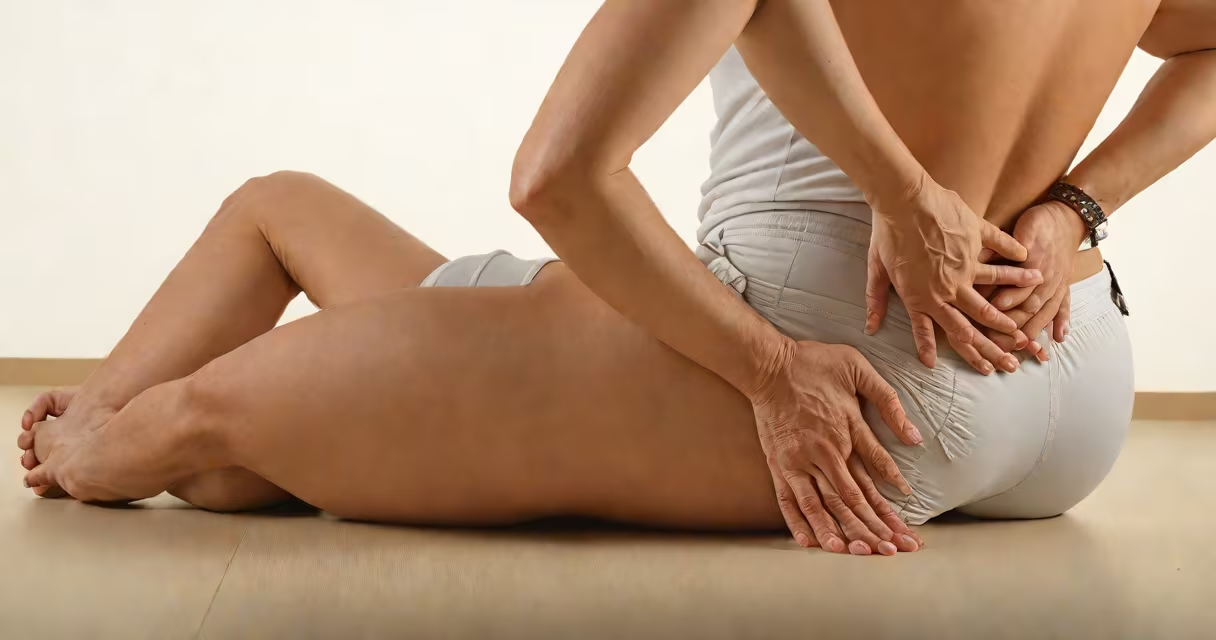
If your back hurts, start with short-term relief strategies: avoid prolonged bed rest, apply heat or cold for 15-20 minutes, perform gentle stretches like the knee-to-chest pose, and take over-the-counter pain relievers such as ibuprofen or acetaminophen. These actions reduce inflammation and muscle tension common in acute back pain.
Acute back pain typically lasts less than six weeks and often results from minor strain, poor posture, or sudden movements. The American Physical Therapy Association notes that most cases resolve within days to weeks with conservative management. Avoiding long periods of inactivity is critical-studies show that staying moderately active speeds recovery compared to bed rest.
For example, a 2022 study published in Spine Journal found that patients who walked daily during the first week of back pain reported 30% greater improvement in function than those who rested. This aligns with guidelines from the National Institute of Neurological Disorders and Stroke (NINDS), which recommends light activity over immobilization.
When you strain your back, muscles spasm to protect the area, increasing stiffness and discomfort. Nerves in the spine may also become irritated due to pressure from inflamed tissues or misaligned vertebrae. This triggers pain signals to the brain, creating the sensation of sharp or dull ache.
Heat increases blood flow to sore areas, helping relax tight muscles. Cold reduces swelling and numbs localized pain. Alternating between both-15 minutes each-can be effective for flare-ups. A 2021 review in Pain Medicine confirmed that cold therapy reduced pain intensity in the first 48 hours after injury.
Stretching improves flexibility and relieves nerve compression. The knee-to-chest stretch, performed lying on your back and pulling one knee toward your chest, opens the lower spine and eases pressure on discs and joints. Hold for 20 seconds per side, repeat twice daily.
Back pain often stems from mechanical issues-problems with bones, joints, or soft tissues-not serious disease. Common triggers include lifting heavy objects improperly, slouching at a desk, or sleeping on a mattress that doesn't support spinal alignment.
However, persistent pain may signal underlying conditions. For instance, sciatica-a sharp, shooting pain radiating down one leg-results from irritation of the sciatic nerve, often due to a herniated disc. According to the Mayo Clinic, about 1 in 10 people with back pain have sciatica, usually resolving within 6 weeks with conservative care.
Another overlooked cause: constipation. When stool builds up in the colon, it can press against nerves near the lower spine, mimicking back pain. A 2019 study in Journal of Clinical Gastroenterology found that 17% of patients presenting with low back pain had delayed bowel movements. Addressing constipation through hydration, fiber, and movement often resolves the pain.
Many people assume back pain requires complete rest. This is incorrect. Prolonged bed rest worsens recovery. The World Health Organization states that bed rest beyond 48 hours increases risk of deconditioning and chronic pain development.
Overusing opioids is another error. The CDC advises against prescribing opioids for acute back pain due to addiction risks and limited effectiveness. Non-opioid medications like NSAIDs are preferred for short-term relief.
A lesser-known mistake is ignoring posture during screen time. Sitting with shoulders rounded and neck jutting forward strains the upper and middle back. A 2020 study in Applied Ergonomics showed that participants using ergonomic chairs and taking 5-minute breaks every hour reported 40% less back discomfort over four weeks.
Seek medical evaluation if pain lasts longer than six weeks, spreads down one leg, causes numbness or weakness in limbs, or follows a fall or trauma. Red flags include loss of bladder or bowel control, which may indicate cauda equina syndrome-a rare but serious condition requiring emergency surgery.
For recurring episodes, consider physical therapy. A 2023 Cochrane review concluded that supervised exercise programs improved outcomes in 70% of patients with recurrent back pain. Exercises focus on core strength, posture correction, and flexibility.
I once treated a patient with chronic lower back pain who had tried multiple treatments without success. After adjusting his workstation setup and introducing daily pelvic tilts, he reported 70% pain reduction in three weeks. His case highlights how small changes in daily habits can yield measurable results.
| Action | Duration/Amount | Best For |
|---|---|---|
| Cold pack | 15-20 minutes, first 48 hours | Swelling, acute injury |
| Heat pack | 15-20 minutes, after 48 hours | Muscle stiffness, spasms |
| Knee-to-chest stretch | 20 seconds per side, 2x/day | Lumbar tension, sciatica relief |
| Walking | 10-15 minutes, every 2 hours | Preventing stiffness, improving circulation |
| NSAIDs (e.g., ibuprofen) | As directed, max 3 days | Inflammation, moderate pain |